




Luxury has long been synonymous with heritage, craftsmanship, and leather. For generations, animal leather has defined what consumers associate with premium fashion, shaping everything from handbags to haute couture. Innovation is rapidly reshaping materials. At the same time, consumers increasingly care about how companies manufacture products. This shift raises a new question: can luxury remain truly luxurious without leather?
For Elke Steijns, the answer is yes.
The founder of VOGAYA created a Dubai-based luxury handbag brand using plant-based leather alternatives. She believes tradition will not solely define the future of premium fashion. Drawing on her background in sustainable operations, customer experience, and corporate sustainability, she’s building a brand around the idea that exceptional craftsmanship, beautiful design, and responsible innovation can—and should—coexist.
Rather than treating sustainability as an added feature, Steijns sees it as the foundation of modern luxury. As consumer expectations evolve, she believes the brands that thrive will be those willing to redefine what luxury truly means.
Highlights
The Material Isn’t the Luxury — The Mindset Is
When Steijns founded VOGAYA, one question surfaced repeatedly: Can a luxury handbag truly be considered luxury if it isn’t made from leather?
She understands why people ask.
For decades, leather has been deeply intertwined with the idea of luxury. Entire industries were built on the belief that animal leather represented the highest standard of quality, status, and desirability.
But Steijns believes it’s time to challenge that assumption.
In her view, consumers have gradually become disconnected from the impact of the products they buy. Many rarely stop to consider where products come from, what they’re made of, or the consequences behind them. Practices that once deserved scrutiny have simply become normal.
For her, the question is straightforward: if innovation can produce beautiful alternatives, why should luxury continue to depend on animal harm?
That belief became the foundation of VOGAYA.
Instead of traditional leather, the brand creates handbags using plant-based materials such as coffee and bamboo — not because sustainability is fashionable, but because Steijns believes the future of luxury should be defined by innovation, beauty, and kindness, rather than tradition alone.
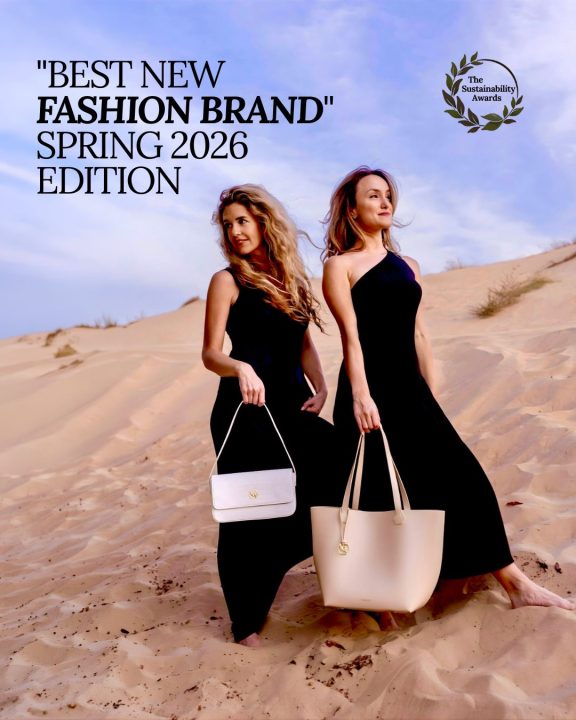
Consumers Aren’t Choosing Between Style and Sustainability
One misconception Steijns believes many businesses still hold is that consumers who care about sustainability are willing to compromise.
For years, sustainable products were often perceived as less stylish, less premium, or somehow less desirable than conventional alternatives.
She believes that perception no longer reflects today’s consumer.
People aren’t looking to choose between beauty and responsibility. They expect both. They want products they genuinely love while feeling proud of the choices they make.
That’s why, in her view, sustainability is evolving from a marketing message into a genuine competitive advantage.
When sustainability sits at the heart of a business rather than being added later, it shapes every decision — from material selection and product design to customer experience and brand identity. Consumers are becoming increasingly adept at recognizing the difference between brands that genuinely embody their values and those that simply advertise them.
The brands that earn lasting trust, she believes, will be the ones that make sustainability part of who they are — not simply part of what they say.
Innovation Wins When Performance Meets Purpose
Steijns is also careful to point out that sustainability alone isn’t enough.
Whether materials are made from coffee, bamboo, cactus, or other plant-based innovations, consumers won’t embrace them simply because they’re environmentally conscious.
Curiosity may introduce people to a product.
Great design convinces them to buy it.
Outstanding performance — combined with values they believe in — keeps them coming back.
Rather than competing priorities, performance, design, and sustainability are increasingly becoming inseparable.
The brands that succeed won’t ask consumers to choose between luxury and responsibility.
They’ll deliver both.
The Next Status Symbol Is Conscious Consumption
History shows that luxury has never remained static.
Materials evolve. Expectations change. Innovation continually reshapes industries. The brands that endure aren’t necessarily those that resist change — they’re often the ones that help define it.
If Steijns could offer established luxury brands one piece of advice, it would be to stop assuming tomorrow’s consumers will think like previous generations.
Younger buyers are asking different questions. They want to know where products come from, how they’re made, and what impact their purchases have on the world around them.
For decades, luxury largely signaled wealth and status.
Increasingly, Steijns believes, it signals awareness, intention, and values.
She even suggests that future generations may one day look at animal leather much the way many consumers now view fur — not because luxury disappeared, but because society’s definition of what’s acceptable has evolved.
Every generation redefines luxury.
Steijns believes this generation has the opportunity to prove that luxury can be both beautiful and kind.
Luxury’s Future Won’t Be Measured by Leather
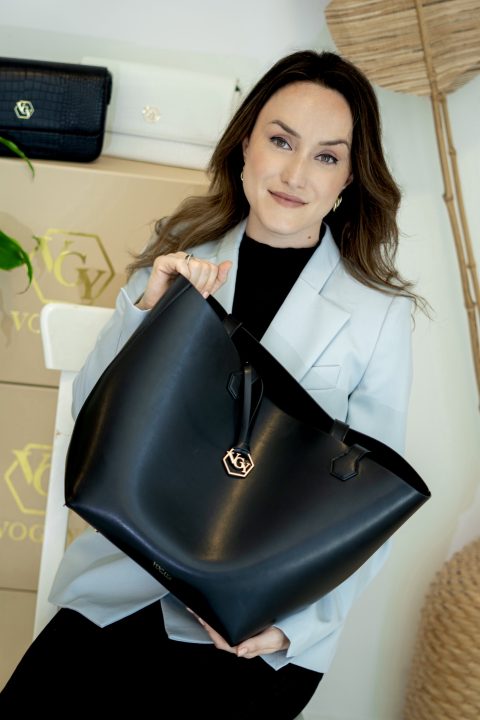
For Elke Steijns, the future of luxury isn’t about abandoning craftsmanship or lowering standards. It’s about redefining what premium means for a new generation of consumers.
As plant-based materials continue to advance and conscious consumption becomes more mainstream, she believes luxury brands have an opportunity to lead through innovation rather than tradition alone. The winners won’t simply create beautiful products — they’ll create products that reflect the values of the people carrying them.
For VOGAYA, that’s the future worth building: one where luxury remains aspirational, desirable, and beautifully crafted — while becoming more responsible, more innovative, and ultimately, more human.
Highlights
Read the Chinese article here.
Related posts:
 Singapore’s Obsession With Education Built a S$1.8B Tuition Industry — Now It’s Crowded
 ASEAN’s Next Critical Infrastructure Is Being Built on Farms, Not Highways
 From Learning to Livelihood: 55 Youth and Persons with Disabilities Turn Sustainable Ideas into Businesses in Lombok
 What 307 Monthly Closures Really Say About Singapore’s Food Scene