For years, career transitions were often seen as something professionals faced near the end of their working lives — after a retrenchment, an industry downturn, or an unexpected career pivot. Today, that assumption is rapidly changing.
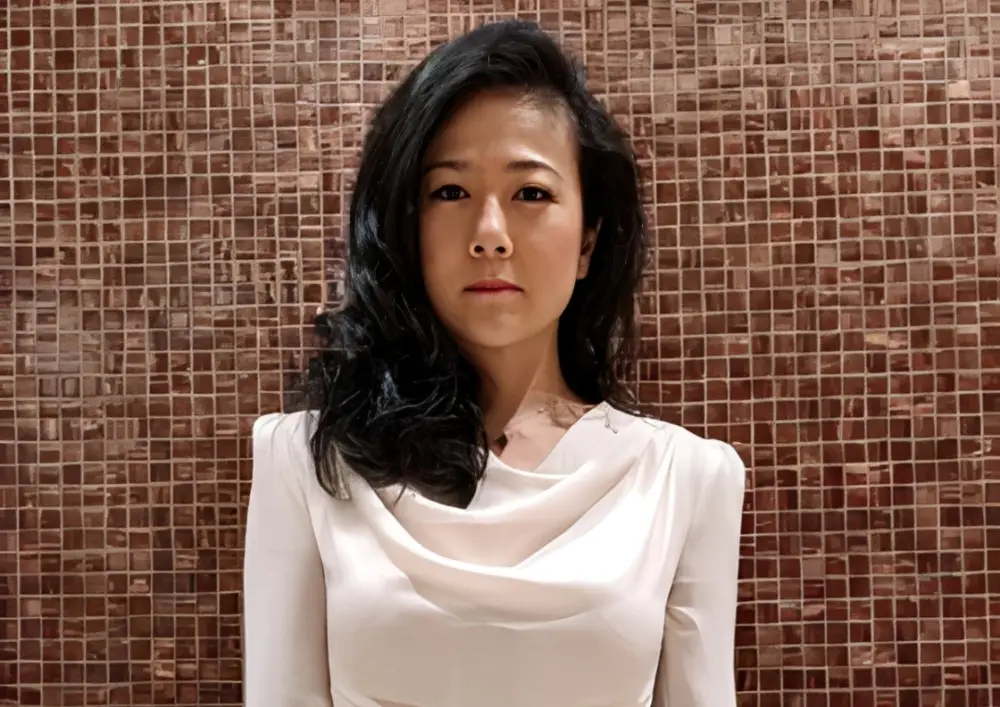
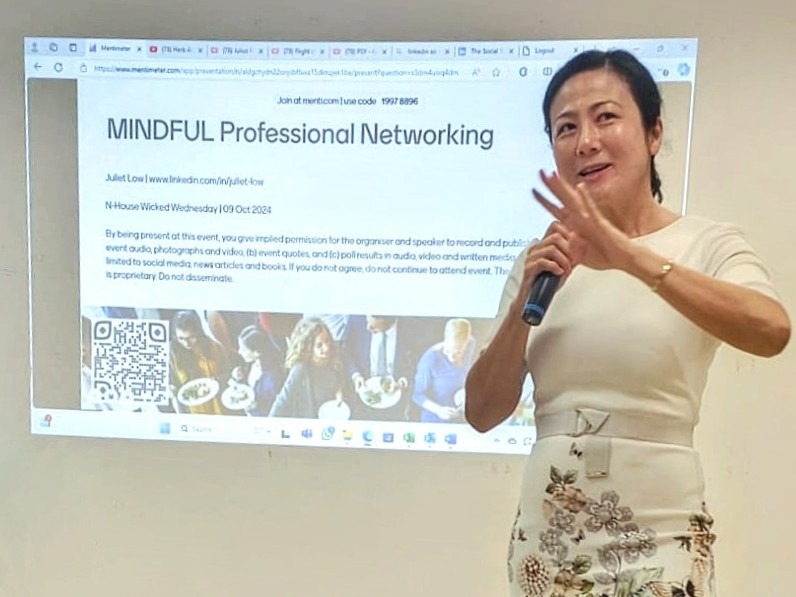
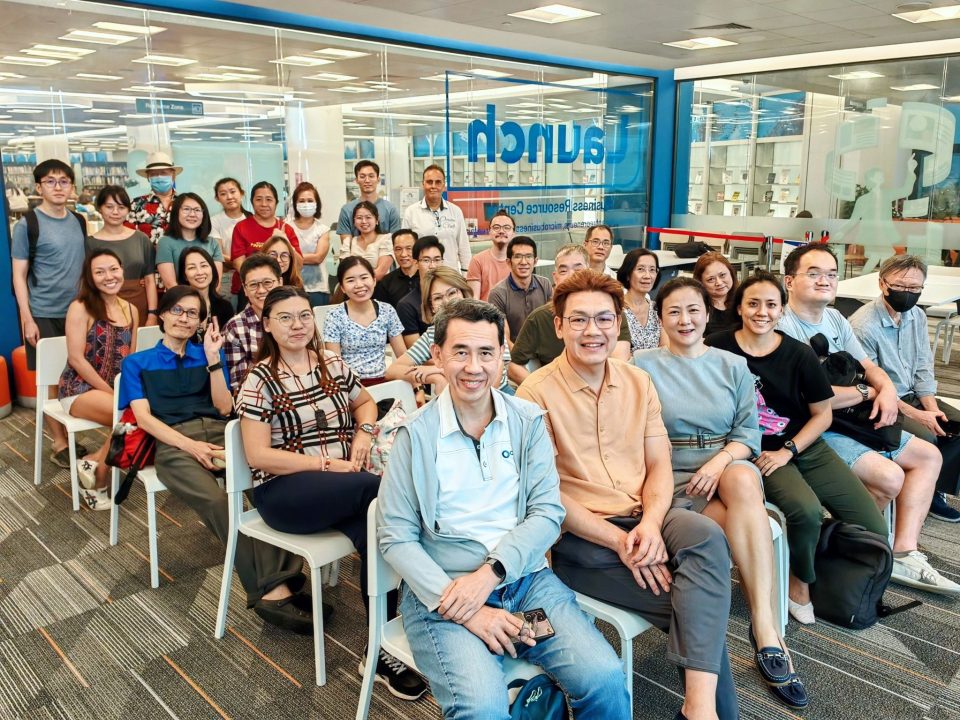
Few people have observed that shift from as many perspectives as Juliet Low. As Co-Founder and CEO of Maid Without Borders, an AI-powered employer-maid matching platform, she is building a business in an increasingly AI-driven economy while also teaching entrepreneurship and leadership through Singapore’s National Library Board’s Corporate2Entrepreneur programme. There, she has worked with professionals navigating career transitions — from retrenched executives and mid-career professionals to fresh graduates trying to gain a foothold in an evolving job market.
Drawing on both her entrepreneurial experience and years of mentoring professionals across different stages of their careers, Low believes today’s economy demands something many people were never taught: the ability to reinvent themselves repeatedly.
Career resilience, she argues, is no longer optional. It’s becoming one of the defining professional skills of the AI era.
Highlights
- Career Reinvention Is No Longer Reserved for Mid-Career Professionals
- Three Generations. Three Very Different Career Challenges.
- The Professionals Who Thrive Aren’t Always the Most Qualified
- In the Age of AI, Capability Matters More Than Credentials
- Keep Moving — Even If the Next Step Isn’t Perfect
- Final Thoughts: The Career Ladder Has Become a Jungle Gym
Career Reinvention Is No Longer Reserved for Mid-Career Professionals
When Low launched the Corporate2Entrepreneur programme with Singapore’s National Library Board in August 2024, the majority of participants were professionals over 40 who had been retrenched and wanted to transition into consulting, freelancing, or entrepreneurship.
The programme went beyond entrepreneurship training in lead generation, sales funnels, and networking. It also helped participants navigate practical aspects of starting a business by connecting them with affordable banking, accounting, legal, and corporate secretarial services so they could build businesses more quickly.
Around eight months later, something changed.
Professionals in their 30s began making up more than half of each cohort, reflecting restructuring across sectors, including technology and professional services. While Singapore’s labour market remained relatively resilient, hiring profiles were shifting, particularly in industries where many mid-level roles were being reduced.
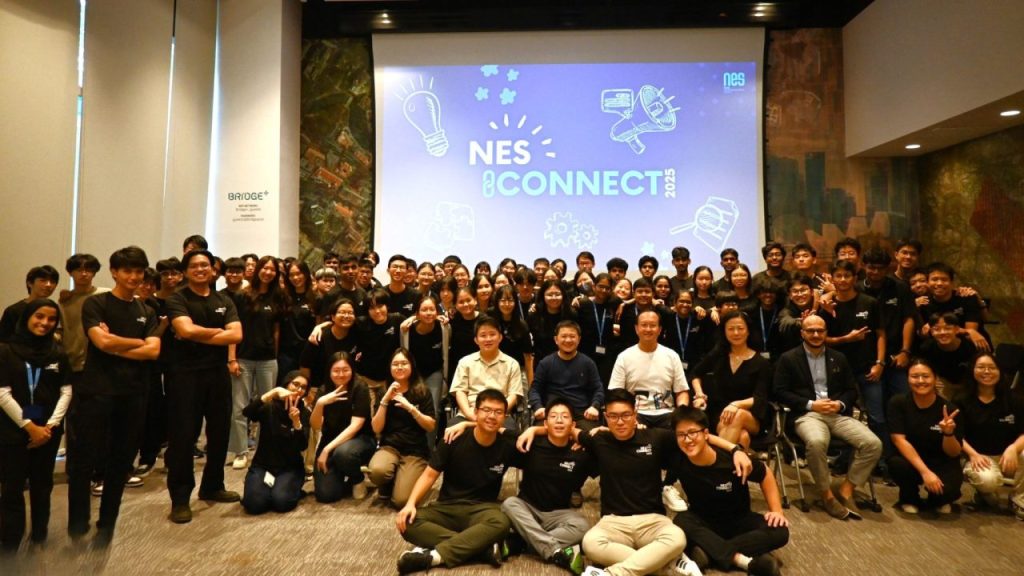
By late 2025, another group had begun filling the room: fresh graduates.
Their concerns were different. It wasn’t simply about finding a first job. They were questioning where they fit in an economy where AI is automating many entry-level tasks while employers are becoming increasingly selective.
Many participants described cycling through temporary six-month employment schemes, only to find themselves back on the job market once government salary support ended. Others shared how they had been encouraged to take jobs completely unrelated to their education, leaving them questioning whether they were already falling behind their peers.
For Low, the pattern is unmistakable.
Career transition and financial resilience are no longer skills people prepare for once.
They are becoming lifelong capabilities that professionals may need to rely on multiple times throughout their careers.
Three Generations. Three Very Different Career Challenges.
Although career uncertainty affects almost everyone today, Low believes each generation is navigating a different reality.
Professionals over 40 often possess deep industry expertise, strong professional networks, and sufficient financial reserves to explore consulting, fractional leadership, or entrepreneurship.
Ironically, their greatest obstacle is rarely capability.
It’s fear.
Many have the experience and financial runway to build something of their own but hesitate because they’re afraid of failure after successful corporate careers.
Professionals in their 30s face a different set of pressures.
Many remain committed to building corporate careers but are encountering slower hiring, organisational restructuring, and growing competition from talent across Southeast Asia.
Unlike older professionals, however, they are often carrying life’s biggest financial commitments.
Mortgages.
Raising young children.
Car loans.
Mounting monthly bills.
Those responsibilities leave little room to experiment.
Many continue applying for corporate roles while simultaneously freelancing, creating content, taking on affiliate work, or accepting gig opportunities simply to maintain financial stability. Entrepreneurship often becomes a last resort rather than a first choice.
Fresh graduates face perhaps the greatest uncertainty of all.
They are entering a workforce where AI is reducing many routine entry-level tasks while employers increasingly have access to experienced talent across the region at highly competitive costs.
Without industry experience or professional networks, many struggle to secure the first opportunity needed to begin building a career.
Through the Corporate2Entrepreneur programme, Low increasingly helps graduates build portfolios through freelancing and client work, allowing them to demonstrate practical experience instead of waiting for employers to provide it.
The Professionals Who Thrive Aren’t Always the Most Qualified
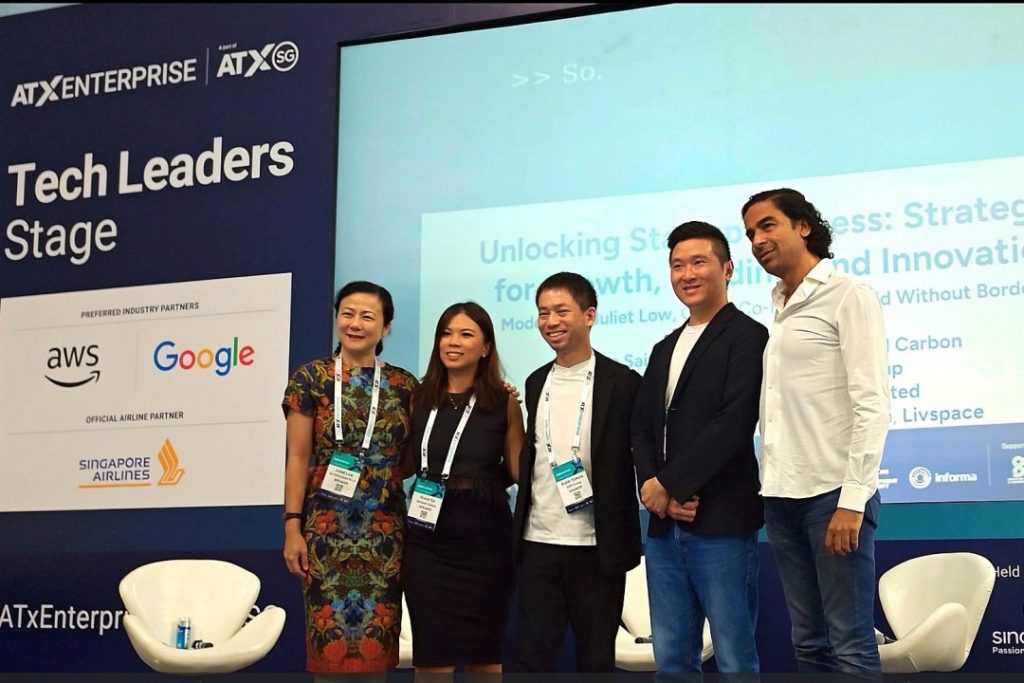
After working with professionals across different stages of life, Low has noticed that successful career transitions rarely depend on qualifications alone.
Instead, three qualities consistently stand out.
The first is strong professional networks.
Careers are increasingly built on trusted relationships rather than CVs alone. People who invest time in helping others and building meaningful connections often discover opportunities much faster because opportunities naturally flow through strong networks.
The second is adaptability.
Deep expertise still matters, but AI has significantly increased the value of transferable skills such as communication, leadership, sales, problem-solving, and the ability to connect ideas across disciplines.
Low encourages people to become what she describes as “Tree-shaped professionals” — individuals with deep expertise in one area supported by broad capabilities across many others.
The third is humility and resilience.
Career reinvention often requires taking a step sideways — or even backwards — before moving forward again.
Some professionals remain stuck because they’re trying to recreate a version of their previous career that may no longer exist.
Others are willing to accept interim work, freelance projects, or opportunities in entirely different industries while rebuilding.
As Low puts it, “Nothing is beneath anybody.”
Sometimes resilience simply means continuing to move instead of waiting for the perfect opportunity.
In the Age of AI, Capability Matters More Than Credentials
Low believes one of the biggest questions facing young professionals isn’t whether AI will replace jobs.
It’s how they can build capabilities AI cannot easily replicate.
Degrees remain essential for regulated professions such as medicine, law, and engineering.
Beyond those fields, however, she believes employers are increasingly looking for demonstrated capability alongside academic qualifications.
For years, she has encouraged students to think carefully about why they pursue higher education.
She is particularly cautious about graduates pursuing a Master’s or PhD simply because they cannot find employment.
More qualifications don’t automatically translate into stronger career prospects, especially if practical experience remains limited.
Instead, she encourages people to build combinations of skills, experiences, and perspectives that make them economically valuable in ways AI cannot easily imitate.
As she puts it: “Don’t optimise for the path that worked for everyone else. Those pathways are often the easiest to automate and replicate.”
Keep Moving — Even If the Next Step Isn’t Perfect
If there’s one piece of advice Low consistently gives professionals facing uncertainty, it’s remarkably simple.
Keep moving.
Develop AI literacy.
Strengthen your sales skills.
Expand your professional network.
Build leadership capabilities.
Attend conferences beyond your own industry.
Expose yourself to different ideas and different ways of thinking.
Innovation, she believes, often comes from connecting ideas that rarely meet.
She also encourages people not to let pride stand in the way of earning an income.
Driving for Grab.
Working in retail.
Taking temporary jobs.
None of these should be viewed as failures.
Instead, they extend financial runway, reduce pressure, and create opportunities to meet new people — connections that may ultimately lead to the next career opportunity.
Careers rarely change because of one dramatic breakthrough.
They evolve because people continue saying yes.
Say yes to learning.
Embrace new experiences.
Keep meeting people outside your usual circles.
Every opportunity creates another opportunity.
Those who continue moving, learning, and connecting are almost always the ones who eventually find their next chapter.
Final Thoughts: The Career Ladder Has Become a Jungle Gym
For Juliet Low, the future of work isn’t simply being reshaped by AI.
It’s being reshaped by constant change.
The traditional career ladder — where people steadily climbed within a single profession over decades — is giving way to something far less predictable. Professionals may need to reinvent themselves multiple times throughout their working lives, moving between employment, freelancing, entrepreneurship, and entirely new industries as technology and labour markets continue to evolve.
In that environment, resilience becomes more valuable than certainty.
Professional networks become more valuable than job titles.
Meanwhile, adaptability matters more than following a predefined career path.
Low believes the goal shouldn’t be preserving yesterday’s careers.
It should be helping people develop capabilities that remain valuable regardless of how technology changes.
Those who continue learning, building relationships, and staying open to new possibilities won’t simply survive the future of work.
They’ll be far better equipped to shape it.
Highlights
- Career Reinvention Is No Longer Reserved for Mid-Career Professionals
- Three Generations. Three Very Different Career Challenges.
- The Professionals Who Thrive Aren’t Always the Most Qualified
- In the Age of AI, Capability Matters More Than Credentials
- Keep Moving — Even If the Next Step Isn’t Perfect
- Final Thoughts: The Career Ladder Has Become a Jungle Gym
Read the Chinese article here.