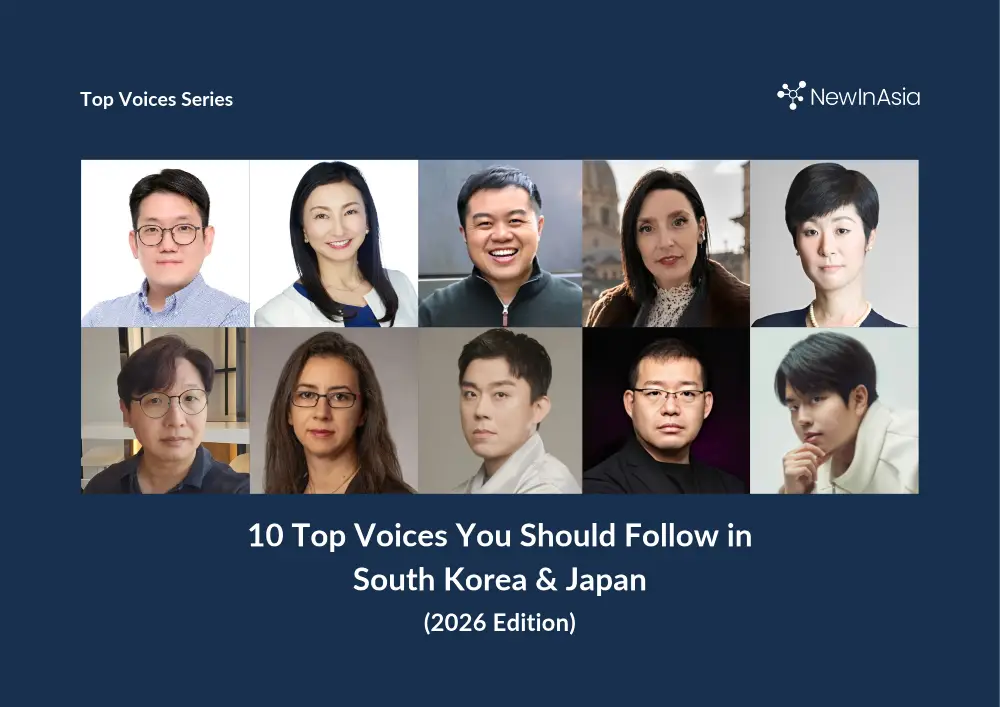
South Korea and Japan are known for their strengths in technology, advanced engineering, and industrial innovation. But developing new capabilities is only part of the challenge. Turning research into useful products, technical expertise into commercial opportunities, and innovation into responsible decisions requires more than technological progress.
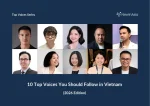
The 10 Top Voices You Should Follow in South Korea & Japan (2026) bring different perspectives to these challenges. Their contributions span venture investing, artificial intelligence, cybersecurity, workforce development, aerospace, infrastructure, scientific research, and international business.
Together, they offer insights into how ideas move beyond the drawing board and into the businesses, institutions, and markets that put them to work.
Highlights
Editorial Note:
The NewInAsia editorial team independently curates this feature and is not a paid or sponsored listing. It highlights professionals with meaningful connections to South Korea’s or Japan’s business and innovation ecosystems through their work, expertise, or sustained professional contributions, regardless of nationality or residence.
Selections are based on publicly available information, primarily from LinkedIn, and consider expertise, the quality and consistency of public contributions, professional credibility, and relevance to the featured markets. This is an editorial selection, not a definitive ranking.
Ethan Cho (조여준)
Chief Investment Officer & Partner, TheVentures
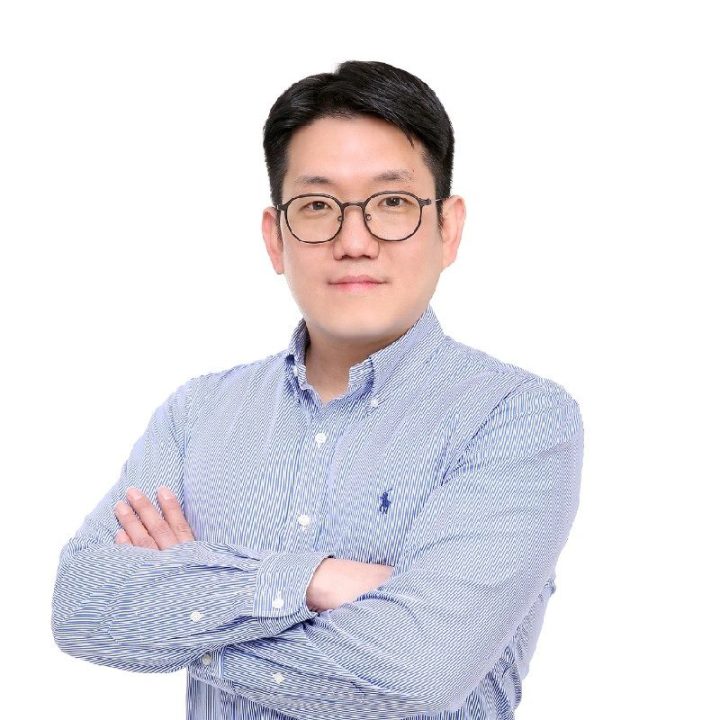
Ethan Cho examines South Korea’s startup ecosystem through the investment decisions, market assumptions, and policies that shape entrepreneurial opportunities.
As CIO at TheVentures and an early investor in Toss and Dunamu, he brings experience identifying emerging businesses before they gain wider market recognition.
His commentary frequently questions established thinking about entrepreneurship. In one post, he examines research on founder age and startup success, challenging the tendency to associate entrepreneurial potential primarily with youth. He also explores emerging opportunities, including AI applications in tourism, and shares investment perspectives through VentureOracle.
Rather than treating popular startup narratives as reliable indicators of opportunity, Cho encourages founders and investors to examine the evidence behind them. His posts offer a perspective on how investment decisions can be shaped by assumptions that deserve closer scrutiny.
Wakana Tanaka
Country Manager, LinkedIn Japan

Wakana Tanaka examines how Japan’s changing labour market is reshaping recruitment, professional development, and the skills businesses need to remain competitive.
Leading LinkedIn Japan since 2023 and recognised in Forbes’ Women in Tech 30 in 2024, she brings a perspective informed by business leadership and developments in the country’s employment landscape.
Her posts explore skills-based hiring, reskilling, career ownership, and the changing relationship between education and employment. In a discussion of graduate recruitment, she highlighted how Japanese companies are increasingly exploring direct hiring through LinkedIn, citing LIXIL as an example. She also shares developments involving Japan’s startup ecosystem and its connections with international business.
Tanaka’s contributions raise a practical question for employers: whether traditional recruitment methods and qualifications are keeping pace with the capabilities businesses actually need. Her perspective connects workforce trends with decisions about hiring, talent development, and career mobility.
David Ha
Co-Founder & CEO, Sakana AI
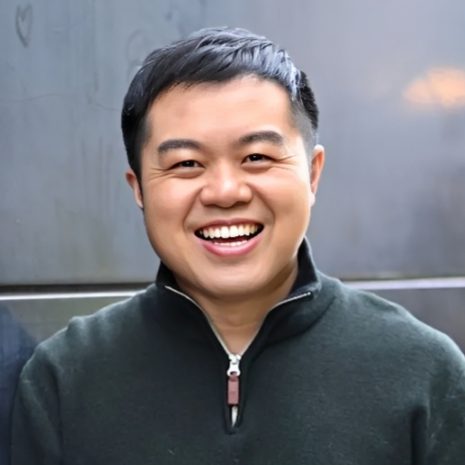
David Ha explores artificial intelligence from a research perspective, particularly how alternative approaches to developing AI models could influence the next generation of machine intelligence.
As Co-Founder and CEO of Tokyo-based Sakana AI and a former research scientist at Google Brain, he has built his career around machine learning and experimental approaches to AI development.
His updates highlight research experiments, model architectures, and technical developments at Sakana AI. One example is the company’s work on Evolutionary Model Merge, which explores using evolutionary techniques to discover effective ways of combining existing AI models. The research, to which Ha contributed, was subsequently published in Nature Machine Intelligence.
This approach reflects a broader interest in whether AI systems can be developed through methods inspired by nature, rather than relying solely on conventional model-building techniques. For researchers, founders, and investors, Ha’s contributions provide insight into the scientific experimentation behind emerging AI capabilities.
Laura Valls Alvarez
Korea–Europe Business Advisor, LV Global Co. Ltd.

Laura Valls Alvarez examines the practical challenges of doing business between South Korea and Europe, where successful expansion depends on understanding commercial relationships as much as market opportunities.
With over 17 years of experience in Seoul and a reported €350 million in facilitated cross-border transactions, she brings firsthand knowledge of international negotiations, partnerships, and trade disputes.
Her commentary frequently draws on specific business situations. She has analysed how Korean food company Sempio introduced fermented seasonings to European markets through collaborations with chefs, compared business acquisition opportunities in Japan and Korea, and discussed how exporters should respond when Korean buyers attempt to cancel shipments.
These examples illustrate the importance of adapting commercial strategies to the realities of different markets. Valls Alvarez offers founders and executives practical perspectives on managing negotiations, identifying barriers to expansion, and building business relationships that can withstand unexpected challenges.
Mihoko Matsubara
Chief Cybersecurity Strategist, NTT
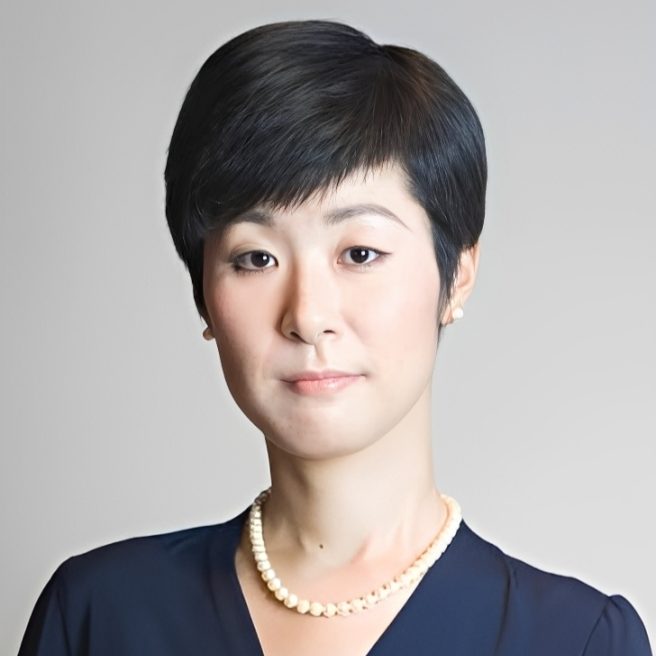
Mihoko Matsubara examines cybersecurity as a challenge that extends beyond technical defences to encompass economic security, public policy, and institutional preparedness.
As Chief Cybersecurity Strategist at NTT, she draws on experience across government, technology, and research, including earlier work at Japan’s Ministry of Defense. She is also an award-winning author whose work examines cybersecurity and international security developments.
Her updates highlight cybersecurity research, emerging threats, AI-related security risks, and developments affecting Japan’s digital environment. Beyond LinkedIn, she has contributed original research on these issues. In a 2025 report for the National Bureau of Asian Research, she examined Japan’s cybersecurity resilience, including critical infrastructure protection, cyber threat intelligence sharing, and cooperation between government and industry.
Her work highlights why cybersecurity cannot be treated solely as an IT responsibility. For business leaders and policymakers, Matsubara provides perspectives on how security threats, regulation, and institutional coordination influence an organisation’s ability to operate and recover from disruption.
Beomsoo Park (박범수)
Senior Manager, Modon
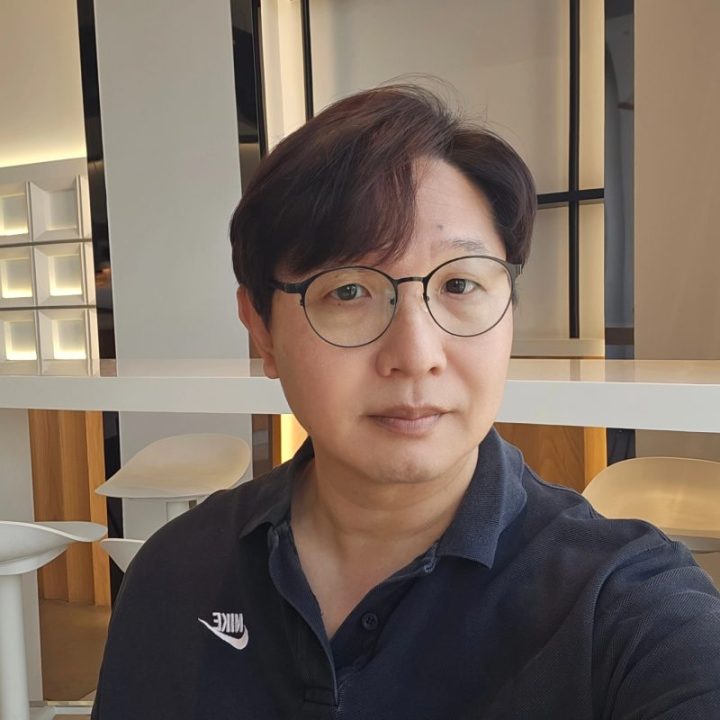
Beomsoo Park brings an engineer’s perspective to infrastructure development, examining how technical decisions affect structural safety, construction quality, and long-term performance.
With more than 25 years of experience in cable-supported bridges and structures, he has contributed to major international projects, including the Çanakkale 1915 Bridge, the Yavuz Sultan Selim Bridge, and Ain Dubai. His background spans structural design, construction, supervision, and client-side project delivery, and he is currently contributing to infrastructure development in Abu Dhabi, UAE.
His contributions combine engineering observations with discussions of structural safety, bridge design, and emerging technologies. Among his published topics are cable vibration control, forensic analysis of bridge failures, and the design and construction of long-span cable-supported bridges. He also explores how AI could support technical work without replacing professional engineering judgement.
Park’s content connects engineering principles with the consequences of real-world decisions. His perspectives are particularly relevant to infrastructure professionals navigating the balance between technological innovation, project delivery, and safety.
Merve Hickok
President, Center for AI and Digital Policy
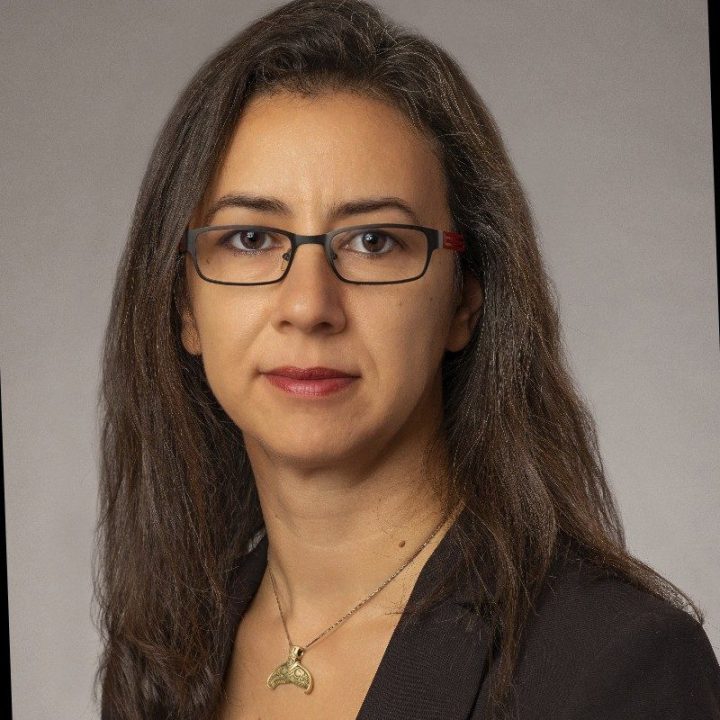
Merve Hickok examines how artificial intelligence should be governed as its influence over businesses, institutions, and society continues to expand.
As President of the Center for AI and Digital Policy and Founder of AIethicist.org, she brings experience in AI policy and regulatory advocacy. Her involvement in Japan includes serving as an invited advisor with NICT’s GPAI Tokyo Centre and collaborating with the Japan AI Safety Institute on AI governance initiatives.
Her commentary examines corporate influence, transparency, regulatory accountability, and the concentration of decision-making power in AI development. She assesses increasing AI capabilities against governance and policy responses, and also provides insights on questions of the social impact of AI, sovereignty, and trust.
Hickok’s contributions move the discussion beyond what AI systems can accomplish to who determines how they are developed and used. For technology executives and policymakers, her work offers a critical perspective on the institutional responsibilities that accompany increasingly powerful technologies.
Sean Yim (임현상)
Business Development, Space & AI, Hanwha Systems

Sean Yim explores how South Korea’s developing space industry can translate technological capabilities into commercial opportunities and international partnerships.
With more than 17 years of experience across Hanwha’s aerospace and space businesses, he brings practical knowledge of business development, market strategy, and cross-border collaboration.
His contributions highlight South Korean rocket launches, satellite developments, and the country’s growing participation in the international space economy. He also discusses broader business strategy. In one detailed post, he examined two-sided network effects, exploring how platforms depend on attracting and sustaining participation from different groups of users.
These perspectives connect technical progress with the commercial structures needed to support it. Yim’s content helps readers consider how emerging industries develop markets, establish partnerships, and build viable business models around complex technologies.
Shinya Yamamoto, PhD
Guest Professor, The University of Osaka | Chief Innovation Officer, IDIAL
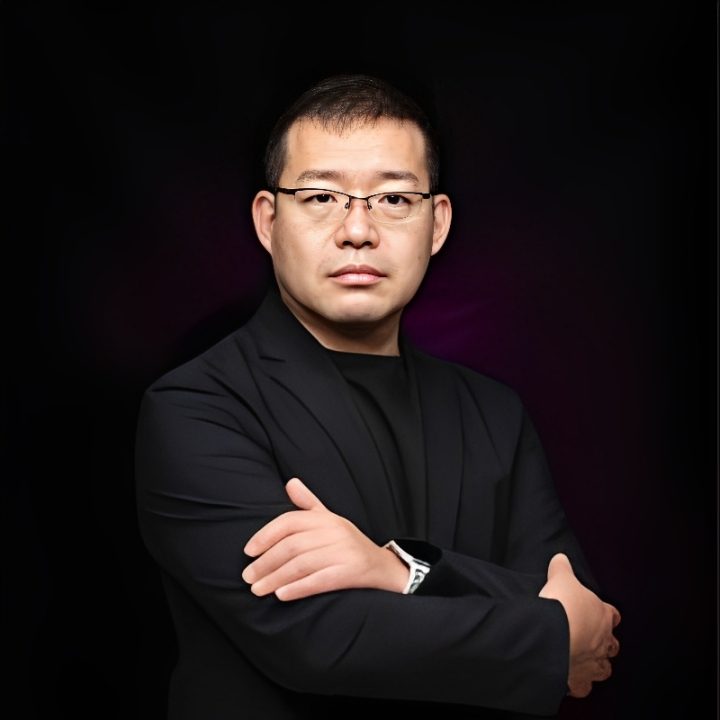
Shinya Yamamoto examines how Japan can turn scientific research into practical innovation while developing the people and institutions needed to sustain future discoveries.
His experience spans clinical research, medical data, innovation management, and Japanese government research and policy initiatives. Connecting scientific expertise with real-world application, his academic and industry roles address the challenges of moving research beyond the laboratory.
Furthermore, his commentary explores regenerative medicine, generative AI in research administration, and the future of Japan’s research workforce. One particularly thought-provoking argument concerns the automation of junior-level research tasks. While AI may improve efficiency, Yamamoto questions what happens when early-career researchers lose opportunities to develop the skills and judgement those tasks traditionally provide.
His contributions highlight a tension facing research institutions and technology-driven businesses: improving productivity without weakening the human expertise that future innovation depends on. Yamamoto offers a perspective on how scientific progress, commercialisation, and talent development must work together.
Chanran Kim (김찬란)
Senior Developer Relations Manager, NVIDIA | Founder, Pseudo Lab

Chanran Kim explores how artificial intelligence advances when developers, researchers, and aspiring practitioners have opportunities to learn and build together.
As Senior Developer Relations Manager at NVIDIA, he helps lead the growth of South Korea’s AI ecosystem, working closely with developers, researchers, and organisations across the country. He is also the founder of Pseudo Lab (가짜연구소), a nonprofit AI/ML community he started in 2020 that has grown to more than 7,000 members and over 100 AI projects, making it one of the largest in Korea. Before NVIDIA, he worked as an AI research engineer in multimodal AI, vision generation, and search at SK Telecom, NCSOFT, and ZUM Internet, and was recognised as a Microsoft MVP.
His contributions highlight AI research, developer initiatives, and collaborative learning. Through Pseudo Lab, he draws attention to study groups, technical projects, fellowships, hackathons, and open-source activities that encourage participants to exchange knowledge and tackle practical challenges. His longer-term vision is to build a Korean counterpart to the Linux Foundation: a sustainable, community-driven home for open-source AI collaboration.
For developers, researchers, and technology leaders, Kim offers a perspective on how technical communities help expand access to AI expertise. His work highlights the role of collaboration in strengthening South Korea’s AI ecosystem beyond individual companies and research institutions.
Final Thoughts: From Technological Strength to Real-World Advantage
Across venture capital, workforce development, AI research, developer communities, cybersecurity, infrastructure, and international business, these ten voices offer different perspectives on how South Korea and Japan are navigating technological and economic change.
Their contributions highlight a common challenge: turning expertise into sound decisions, practical solutions, and lasting opportunities. For business leaders following these markets, their perspectives offer a closer look at the people, partnerships, and decisions that help innovation create real-world value.
Highlights
Read the Chinese article here.