




In Gilgit-Baltistan, climate change is not an abstract problem waiting somewhere in the future. Melting glaciers, flash floods, unpredictable weather, and changing agricultural patterns are already affecting how communities live and earn.
For Atia Hussain, these pressures also changed what entrepreneurship could mean.
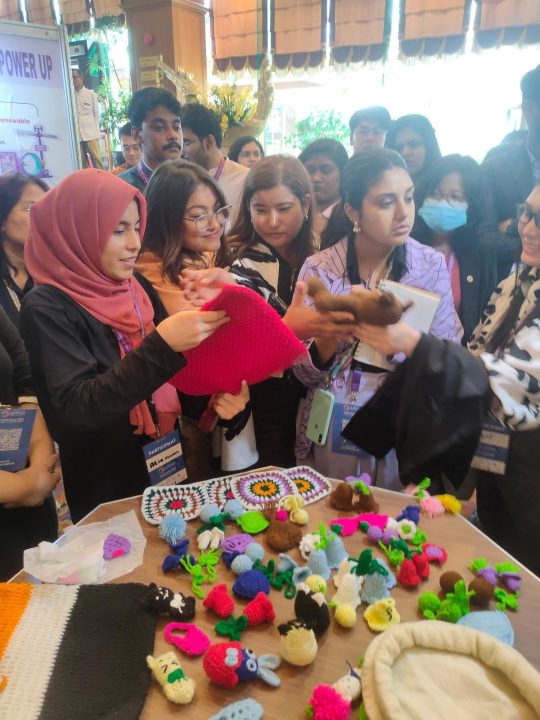
Growing up in Ghanche, Gilgit-Baltistan, Hussain saw environmental vulnerability intersect with another persistent challenge: limited economic opportunities for women. In 2023, she founded Eco Artisan, a women-led social enterprise connecting traditional craftsmanship with sustainable fashion, market access, and climate-conscious livelihoods.
The work has since extended beyond selling handmade products. Hussain says Eco Artisan has trained 30 women artisans in Gilgit-Baltistan, while another initiative supported 20 women with digital literacy and sustainable skills and produced 500 eco-friendly products. Through a partnership with AKRSP focused on women’s economic empowerment, its work has also engaged more than 300 community members.
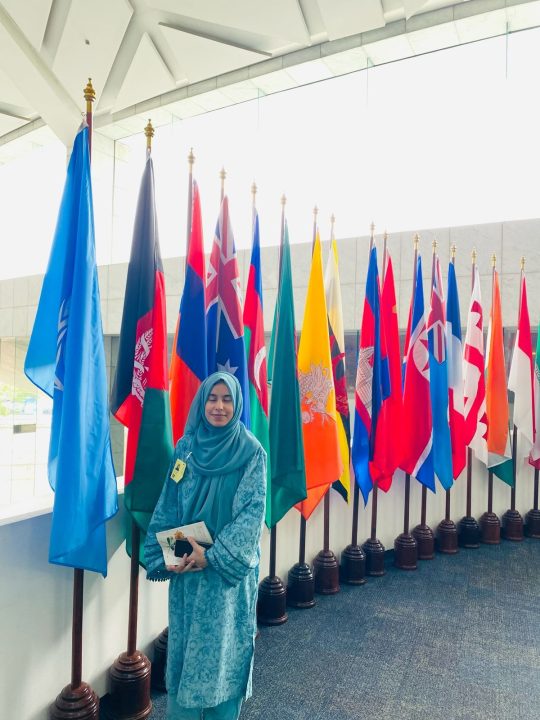
Her advocacy has taken those local experiences to international platforms, including the Asia-Pacific Forum on Sustainable Development in Bangkok and the Women’s Economic Conference in Sri Lanka.
But behind the language of impact, sustainability, and empowerment lies a harder business question: Can an enterprise address climate vulnerability and inequality while still building a model capable of surviving commercially?
In this interview, Hussain discusses why climate action can begin inside a business model, what social entrepreneurs get wrong about financial sustainability, and why investors should stop viewing climate entrepreneurship through the lens of charity.
Highlights
- What If the Market Gap Is a Community Losing Its Livelihood?
- Climate Action Doesn’t Only Happen in Conference Rooms
- Three Problems — or One Ecosystem?
- Purpose Doesn’t Pay the Bills by Itself
- Stop Treating Climate Entrepreneurship Like Charity
- Final Thoughts: Some of the Biggest Climate Solutions May Start Small
What If the Market Gap Is a Community Losing Its Livelihood?
Q: Eco Artisan was born in a region where climate change isn’t a future concern—it’s a daily reality. How has building a business in Gilgit-Baltistan changed the way you think about entrepreneurship compared with the conventional startup narrative?
A: For many founders, entrepreneurship begins with identifying a market gap. For me, it began with witnessing people lose opportunities because of climate change, geographic isolation, and gender inequality.
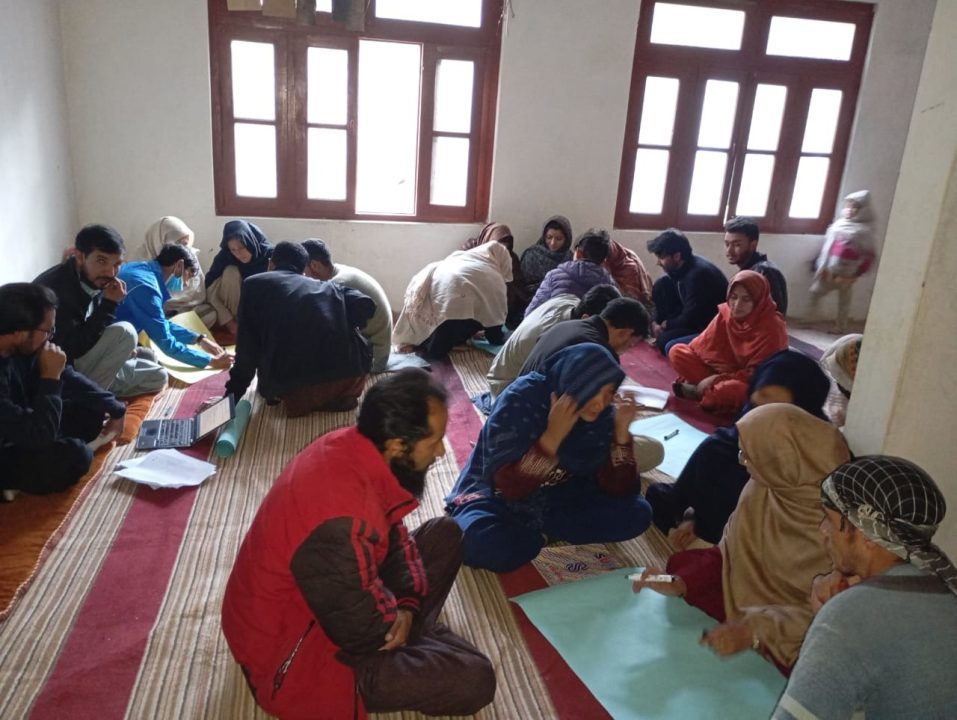
Gilgit-Baltistan is one of the world’s most climate-vulnerable mountain regions. Communities experience glacier melting, flash floods, unpredictable weather, and changing agricultural patterns. These environmental changes directly affect livelihoods, especially for women who rely on traditional crafts and natural resources to support their families.
When I founded Eco Artisan, I didn’t simply want to build another fashion brand. I wanted to create a platform where environmental sustainability, cultural preservation, and women’s economic empowerment could exist together.
Our artisans possess generations of knowledge in weaving, embroidery, and textile craftsmanship. However, many lacked access to markets, business training, and financial independence. By connecting their skills with sustainable design and global consumers, we are helping transform traditional craftsmanship into climate-resilient livelihoods.
This experience has completely changed my definition of entrepreneurship. Success is no longer measured only by revenue or rapid growth. It is measured by how many women become financially independent, how many traditional skills are preserved, how much textile waste we reduce, and how many communities become more resilient in the face of climate change.
Entrepreneurship should not only create wealth—it should create hope, dignity, and resilience.
Climate Action Doesn’t Only Happen in Conference Rooms
Q: Many people see climate action as the responsibility of governments and large organisations. Do you believe small businesses and social enterprises have an equally important role to play—and if so, where can they create the greatest impact?
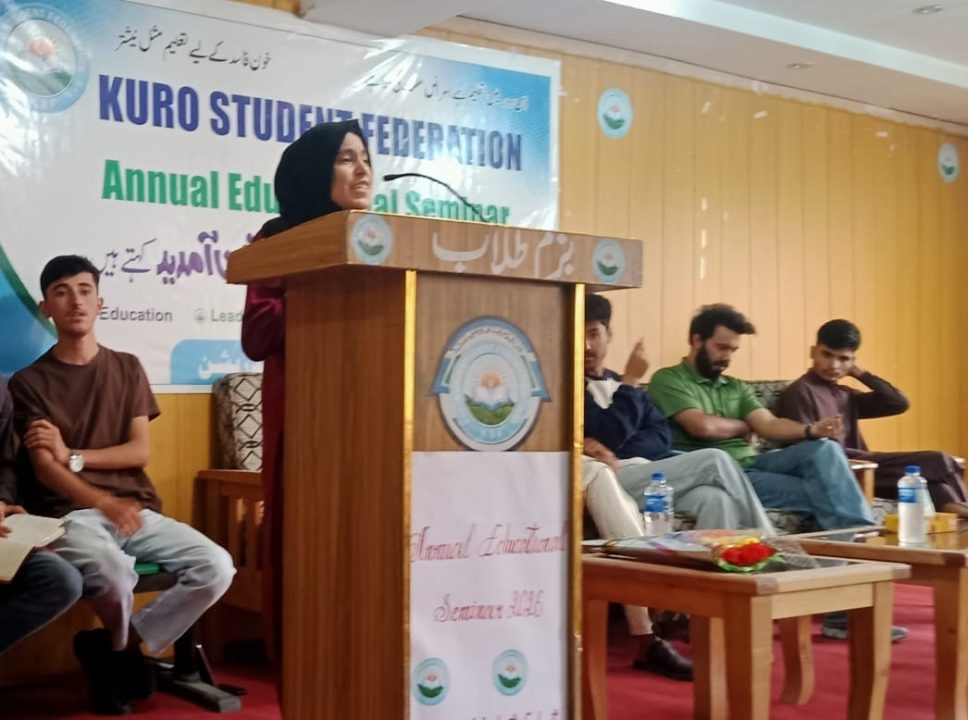
A: Governments develop policies, and large organisations provide large-scale investments, but meaningful climate action also happens in villages, homes, workshops, and small businesses.
Social enterprises are uniquely positioned because they work directly with communities. They understand local challenges and can design practical, culturally appropriate solutions that large institutions often cannot.
At Eco Artisan, climate action isn’t presented as a separate environmental project. It is integrated into everyday business decisions.
We promote responsible production by encouraging the use of sustainable materials, minimising waste, preserving traditional handmade techniques, and creating products designed to last rather than contribute to fast-fashion consumption.
At the same time, every artisan we support gains access to income opportunities, skills development, and greater confidence to participate in local economies.
I believe the greatest impact of small businesses lies in changing everyday behaviour. Every ethical purchase, every artisan employed, every traditional craft preserved, and every piece of textile waste prevented becomes a small climate action. When thousands of businesses make these decisions collectively, they create systemic change.
Climate action should not only happen in conference rooms—it should happen through local enterprises that make sustainability economically viable.
Three Problems — or One Ecosystem?
Q: Your work combines women’s economic empowerment, sustainable fashion, and climate resilience. Have you found that solving one challenge naturally helps solve the others, or do they require very different approaches?
A: Initially, I believed these were three separate issues.
Over time, I realised they are deeply interconnected.
Women are often among the first to experience the economic consequences of climate change because they have fewer financial resources and fewer opportunities to diversify their income. By creating sustainable livelihood opportunities through artisan work, we are not only increasing household incomes—we are also strengthening community resilience against climate-related shocks.
Likewise, sustainable fashion reduces environmental impact while creating demand for traditional handmade products. As artisans receive more orders, they preserve indigenous knowledge that might otherwise disappear.
Economic empowerment also increases women’s confidence to participate in community decision-making, educate their children, invest in health, and become leaders within their communities.
Rather than solving one challenge after another, Eco Artisan approaches them as parts of the same ecosystem.
When women thrive, communities become stronger. When communities become stronger, they are better prepared for climate challenges. And when sustainable businesses succeed, environmental protection becomes economically rewarding instead of financially burdensome.
Purpose Doesn’t Pay the Bills by Itself
Q: Many founders struggle to balance purpose with commercial sustainability. Looking back on your journey with Eco Artisan, what’s one lesson you’ve learned about building an organisation that creates meaningful impact while remaining financially viable?
A: One of the biggest lessons I’ve learned is that impact alone does not sustain an organisation.
In the early stages, many social entrepreneurs focus almost entirely on their mission, believing that good intentions will naturally attract funding and customers.
The reality is different.
Impact needs a sustainable business model.
Today, every decision we make considers both social value and financial sustainability. We continuously improve product quality, strengthen branding, explore international markets, build strategic partnerships, and invest in capacity-building for our artisans.
Financial sustainability enables long-term impact. A business that survives for ten years creates far greater social value than a project that depends entirely on short-term grants.
This doesn’t mean compromising your mission. Instead, it means designing a business where social impact and commercial success reinforce each other.
For Eco Artisan, every product sold supports women artisans, preserves cultural heritage, and contributes to more sustainable production practices.
Purpose becomes stronger when supported by a resilient business model.
Stop Treating Climate Entrepreneurship Like Charity
Q: If you could change one misconception people have about young founders working in social impact and climate entrepreneurship, what would it be—and what do you hope more investors, policymakers, and business leaders understand?
A: One misconception I would love to change is that young founders are “too idealistic.”
People sometimes assume social entrepreneurs care about impact but lack business discipline. In reality, building a social enterprise often requires navigating more complex challenges than conventional businesses. We must simultaneously generate revenue, measure impact, manage community relationships, address environmental concerns, and build financially sustainable operations.
Young founders are not simply chasing trends—we are responding to real problems that affect our communities every day.
I hope investors begin viewing climate entrepreneurship not as charity but as one of the strongest long-term investment opportunities.
I hope policymakers create more accessible funding, training, and procurement opportunities for women-led and youth-led enterprises.
And I hope business leaders recognise that collaboration creates far greater impact than competition.
During my journey, I have had the privilege of representing Eco Artisan and Pakistan at international platforms, including the Asia-Pacific Forum on Sustainable Development in Bangkok, Thailand, and the Women’s Economic Conference in Sri Lanka. These experiences reinforced that local solutions deserve global attention. Around the world, communities are searching for practical models that combine sustainability, economic inclusion, and innovation.
Climate change is not only an environmental challenge. It is an economic challenge. It is a gender equality challenge. It is a development challenge.
And entrepreneurship can become one of the most powerful tools to address all of them simultaneously.
Final Thoughts: Some of the Biggest Climate Solutions May Start Small
Climate entrepreneurship is often discussed through the language of technology, investment, and scale. Eco Artisan offers another perspective: innovation can also begin with existing knowledge, overlooked communities, and a business model that gives people an economic reason to preserve what might otherwise disappear.
For investors and business leaders, that distinction matters. Impact and commercial sustainability do not necessarily have to sit on opposite sides of the equation. As Hussain’s experience suggests, the harder—and potentially more durable—model is one in which each depends on the other.
And perhaps that is where the conventional image of innovation deserves to be challenged.
As Hussain puts it: “Sometimes, a woman weaving in a remote mountain village is not simply making a textile. She is preserving culture, protecting the environment, supporting her family, and quietly building a more sustainable future.”
Highlights
- What If the Market Gap Is a Community Losing Its Livelihood?
- Climate Action Doesn’t Only Happen in Conference Rooms
- Three Problems — or One Ecosystem?
- Purpose Doesn’t Pay the Bills by Itself
- Stop Treating Climate Entrepreneurship Like Charity
- Final Thoughts: Some of the Biggest Climate Solutions May Start Small
Read the Chinese article here.
Related posts:
 Seven Teams, 25 Young People With Disabilities, and One Mission to Turn Learning Into Action
 The New Talent Scouts — Why Business Leaders Are Backing Founders Before the Market Finds Them
 Introducing NIA’s 2025 Editorial Fellows: Voices Behind the Change
 From Taboo to Opportunity: Why Women’s Health Is Becoming Asia’s Next Great Innovation Story