Saudi Arabia’s business and innovation ecosystem is undergoing significant change as organisations invest in new technologies, strengthen institutional capabilities, and develop the expertise needed to support long-term growth. Across industries, leaders are navigating the challenge of turning ambitious strategies into practical improvements in how businesses and public institutions operate.
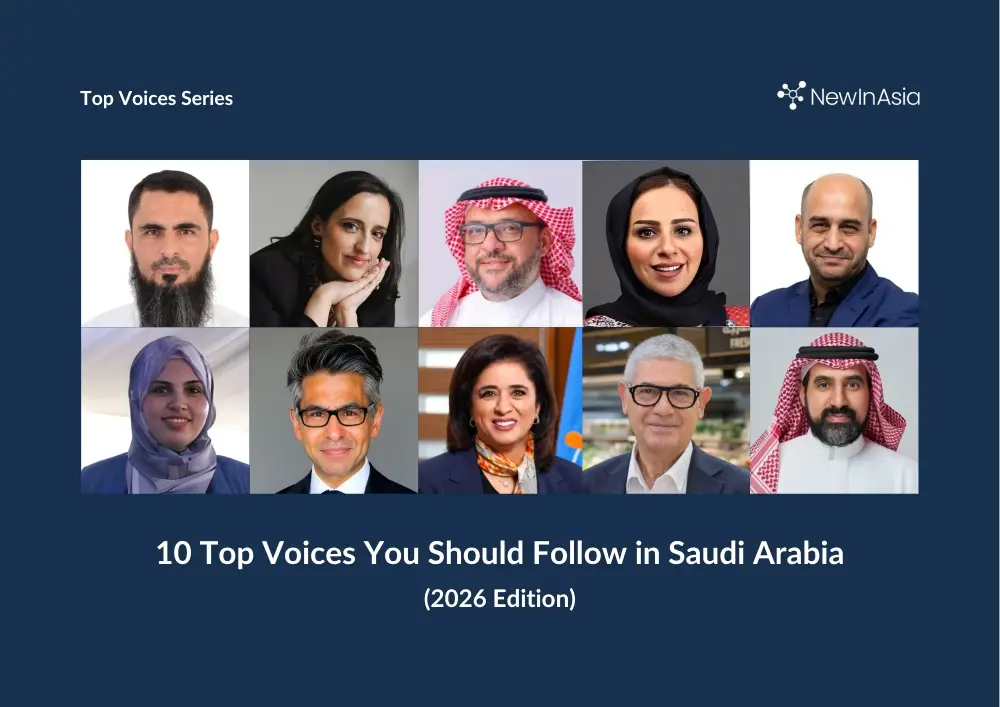
The 10 Top Voices You Should Follow in Saudi Arabia (2026) bring different perspectives to this transformation. Their contributions span artificial intelligence, fintech, aviation, corporate governance, innovation management, healthcare, financial leadership, retail operations, and workforce development.
Together, they offer insights into how Saudi Arabia’s industries are adapting to new opportunities while addressing the operational, financial, and organisational challenges that accompany change.
Highlights
Editorial Note:
The NewInAsia editorial team independently curates this feature and is not a paid or sponsored listing. It highlights professionals with meaningful connections to Saudi Arabia’s business and innovation ecosystem through their work, expertise, or sustained professional contributions, regardless of nationality or residence.
Selections are based on publicly available information, primarily from LinkedIn, and consider expertise, the quality and consistency of public contributions, professional credibility, and relevance to the featured market. This is an editorial selection, not a definitive ranking.
Anis Koubaa
Full Professor, Alfaisal University | Director, AlfaisalX
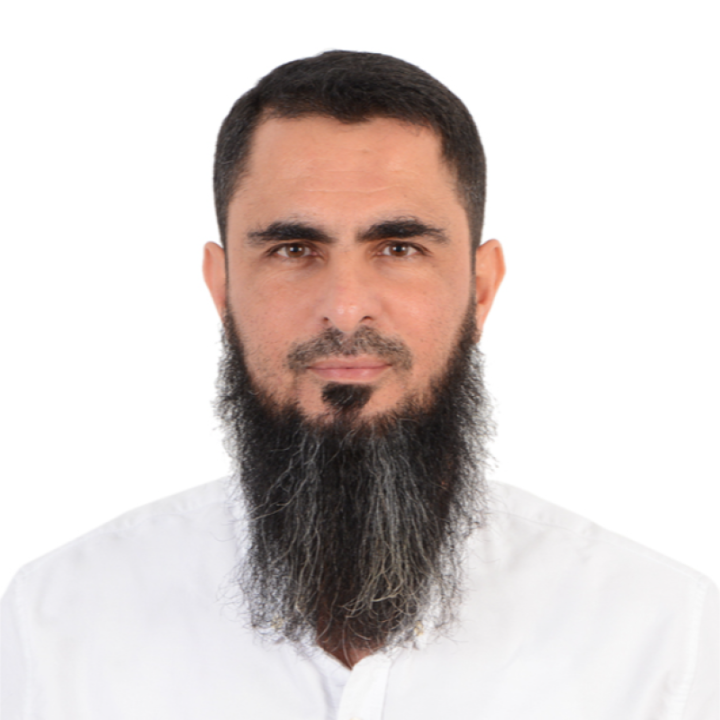
Anis Koubaa examines how artificial intelligence, robotics, and autonomous systems can move beyond research environments into practical applications.
As a Full Professor at Alfaisal University in Riyadh and Director of AlfaisalX: Cognitive Robotics and Autonomous Agents, he brings extensive experience in computer science, robotics research, and academic leadership. Previously, he led the Robotics and Internet of Things Research Lab at Prince Sultan University and served as Director of its Research and Initiatives Center. His background also includes leadership of the university’s Innovation Center and involvement in Saudi Arabia’s computing research community.
His contributions explore technical developments in drone control, agricultural robotics, AI agents, and AI-assisted software development. Drawing on experiments and research, he explains how these systems operate, where they encounter limitations, and what challenges emerge when intelligent technologies are applied to real-world environments.
For researchers, technology developers, and business leaders, Koubaa offers a perspective grounded in technical experimentation. His work highlights why progress in AI and robotics depends not only on new capabilities, but also on understanding their limitations and translating them into reliable, practical solutions.
Sophie Guibaud
Co-Chair, Saudi Chapter, MENA Fintech Association | Partner, Mangosteen Advisory
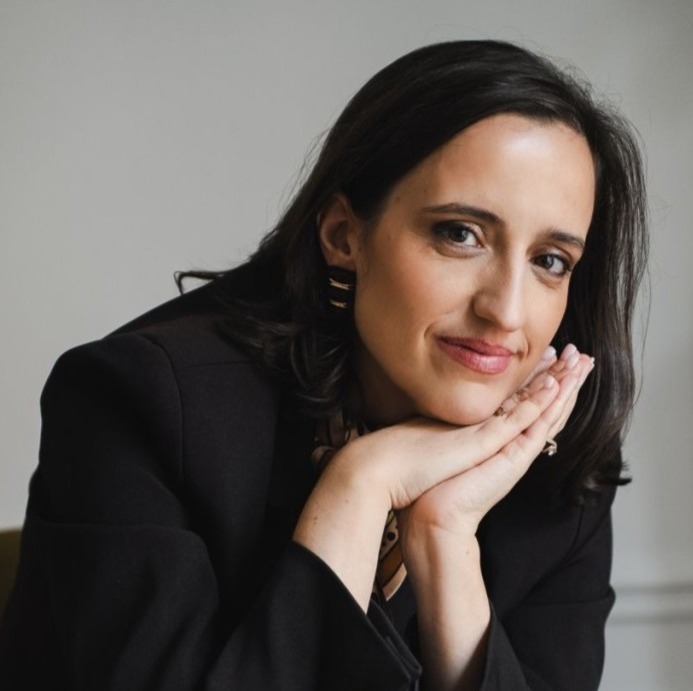
Sophie Guibaud helps fintech companies turn promising products into sustainable revenue. Her view: technology rarely decides who wins. Partnerships, sales discipline and governance do.
She is Co-Chair of the MENA Fintech Association’s Saudi Chapter and a Partner at Mangosteen Advisory, where she advises fintechs on commercial strategy and go-to-market. Over more than 15 years in digital banking, payments and embedded finance, she co-founded Fiat Republic, a payments business serving digital-asset companies, and led the launch of Fidor’s UK business. She also sits on the Supervisory Board of a bank in Uzbekistan as an IFC nominee director.
Her focus is the practical decisions behind fintech performance: choosing partners you can rely on, building a sales process that closes, and setting up governance before it becomes urgent.
For founders, investors and financial services executives in Saudi Arabia and beyond, she brings a view shaped by both the founder’s seat and the boardroom.
Ibraheem Sheerah
Chief Executive Officer, SAUDIA REAL ESTATE
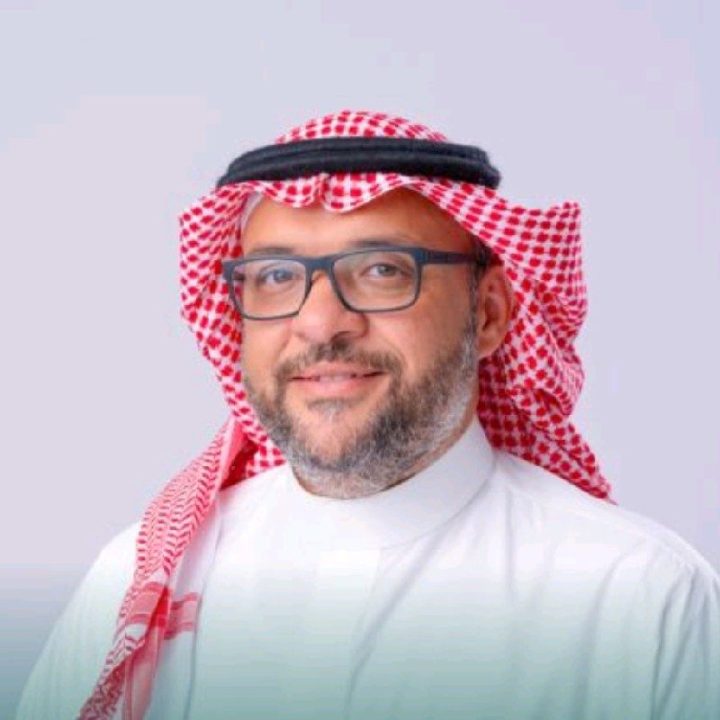
Ibraheem Sheerah examines how digital transformation and artificial intelligence can improve decision-making, customer experiences, and operational performance within large organisations.
As CEO of SAUDIA REAL ESTATE, he brings extensive experience in corporate strategy, transformation, and business operations. His professional background includes serving as Saudia Group Chief Transformation Officer, where his responsibilities have involved coordinating strategic implementation across the group’s aviation and related businesses. He also holds board and advisory positions connected to logistics, technology, and organisational development.
His contributions explore practical applications of AI in aviation and travel services, including how intelligent systems can support operational decisions and improve customer interactions. He also considers the organisational conditions required for successful adoption, particularly leadership readiness, employee capabilities, and the continuing importance of human judgement.
For executives overseeing complex transformation programmes, Sheerah connects technological opportunities with the realities of organisational change. His perspective highlights why digital transformation requires more than introducing new systems; it depends on trust, strategic alignment, and the ability to integrate technology into existing operations.
Gehan Alharbi
General Auditor, Riyadh Air
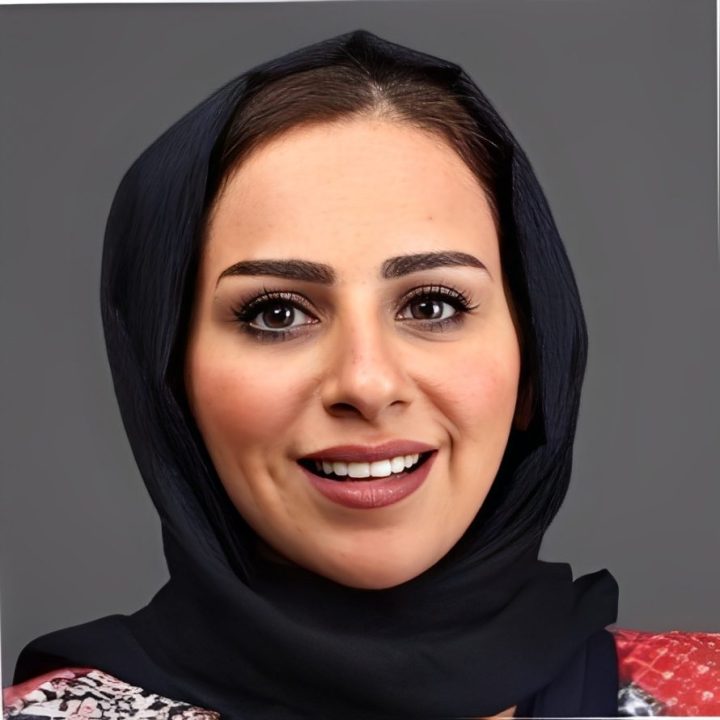
Gehan Alharbi examines corporate governance, internal auditing, and risk management as essential capabilities for organisations operating in complex and changing environments.
As General Auditor at Riyadh Air, she brings experience in strengthening audit functions across aviation, banking, transportation, and government. Her professional background includes advising leadership on internal controls, organisational accountability, and governance practices. She has also established the Audit Mentor Community to support professional knowledge-sharing.
Her contributions explore how audit, risk, and compliance functions can work more effectively together. She discusses the importance of clear responsibilities, reliable internal controls, and leadership accountability, particularly when organisations face operational uncertainty or unexpected crises.
For audit professionals, board members, and business leaders, Alharbi offers a perspective that connects governance frameworks with organisational behaviour. Her work highlights why effective risk management depends not only on policies and procedures, but also on communication, professional judgement, and the willingness to address weaknesses before they become larger problems.
Osama Badandy
Chief Executive Officer, InnovationRaces
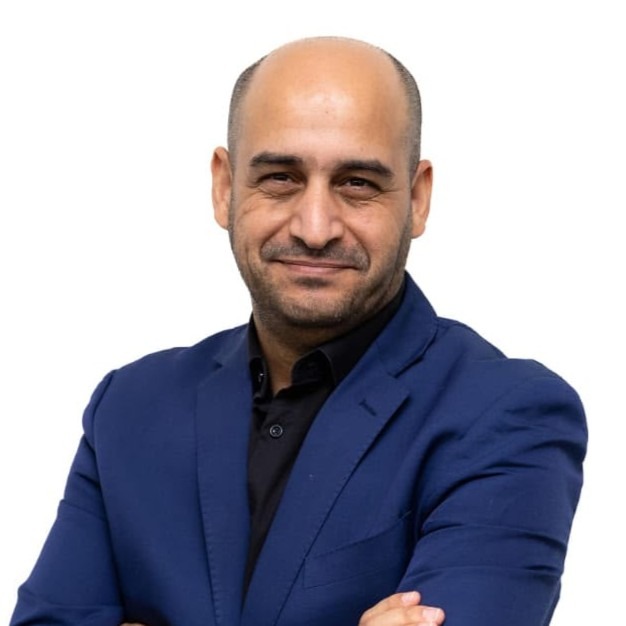
Osama Badandy examines how organisations can build innovation capabilities that produce measurable results rather than treating creativity as an isolated activity.
As CEO of InnovationRaces, he focuses on developing innovation initiatives and environments that encourage structured problem-solving. His previous responsibilities at HUED included designing innovation strategies, establishing operating models for innovation units, and leading programmes for private-sector organisations and government agencies. He also serves as President of the Global Innovation Institute’s Jordan Chapter.
His contributions explore the organisational requirements of successful innovation, including leadership support, decision-making authority, and the systems used to evaluate new ideas. He discusses why innovation programmes need clear objectives and practical measures of impact before organisations commit additional resources to scaling them.
For innovation managers, entrepreneurs, and institutional leaders, Badandy offers a perspective on turning creative initiatives into operational capabilities. His work highlights how innovation becomes more valuable when organisations connect experimentation with strategy, accountability, and measurable outcomes.
Dr. Amira Qabeel
Quality Management and Patient Safety Director, Obeid Specialized Hospital
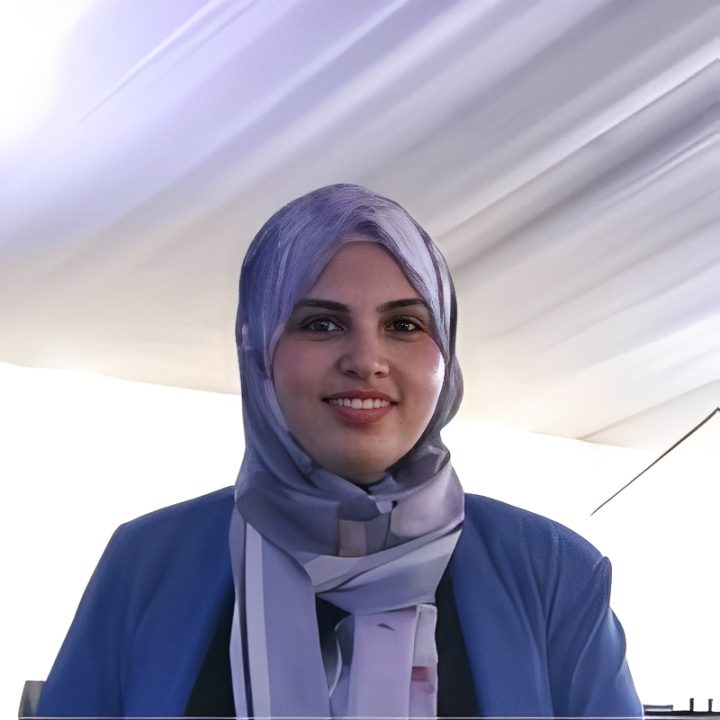
Dr. Amira Qabeel is a healthcare quality and patient safety leader focused on turning quality standards into safer, better care that patients can feel.
As Quality Management and Patient Safety Director at Obeid Specialized Hospital, she has participated in and led numerous accreditation and certification programmes across hospitals and ambulatory care settings. These include CBAHI accreditation, health insurance provider classification, Johns Hopkins standards, and the Ministry of Health’s person-centred care standards, all achieved with outstanding scores. She also took part in a patient experience improvement project alongside a select group of leading hospitals across the Kingdom.
Dr. Qabeel is known for making quality practical. Through her training programme, Healthcare Quality Fundamentals – From Theory to Application, and her educational content on social media, she shares her experience widely and helps healthcare professionals turn quality principles into everyday practice. Her focus is on practical tools that teams can apply immediately.
For hospital leaders, quality professionals, and clinical teams, Dr. Qabeel offers a perspective rooted in continuous improvement. For her, accreditation is a milestone, not the destination; lasting quality requires consistent processes, engaged teams, and an organisational culture where improvement is everyone’s responsibility.
Dr. Tamer Alsayed
Founder & CEO, ExecuFinity | Chief Financial Officer, FII Institute
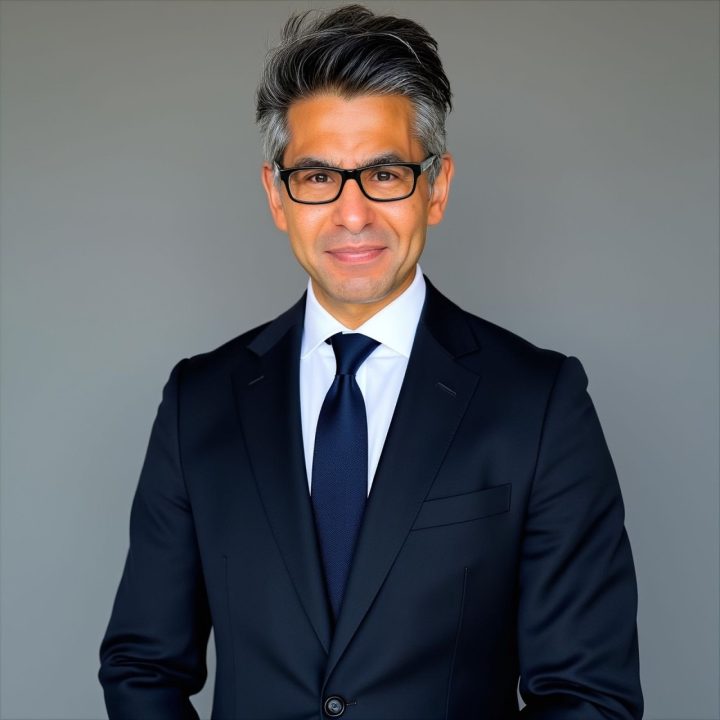
Dr. Tamer Alsayed examines financial leadership through the strategic decisions that shape investment, profitability, and long-term organisational performance.
As Founder and CEO of ExecuFinity, he develops professional education focused on finance, strategy, and executive decision-making. He created the Certified Finance & Strategy Professional (CFSP) certification to help finance professionals develop the commercial judgement and strategic capabilities required for senior leadership. He also serves as Chief Financial Officer at the FII Institute in Saudi Arabia, bringing more than two decades of experience across corporate finance, investment, governance, and business transformation.
His contributions use numerical business scenarios to explain financial concepts such as mergers and acquisitions, valuation, profitability, and investment evaluation. Rather than treating financial reporting as an end in itself, he explores how executives can interpret financial information to assess opportunities, manage risks, and make better strategic choices.
For finance professionals, founders, and senior executives, Alsayed offers a perspective that connects executive experience with professional development. His work highlights why effective CFOs must go beyond financial reporting to understand business strategy and the wider consequences of capital and investment decisions.
Hanan H. Balkhy
Regional Director, World Health Organization, Eastern Mediterranean Region
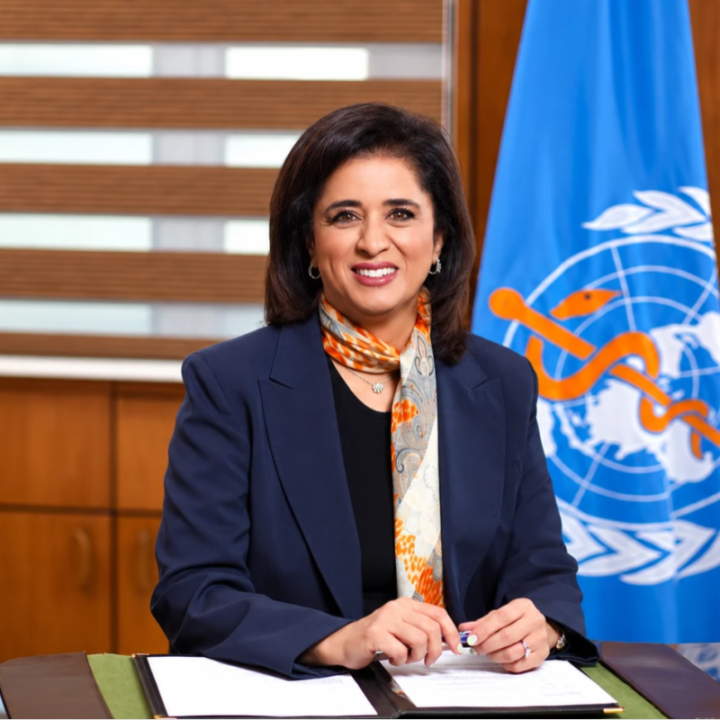
Hanan H. Balkhy examines public health leadership through the challenges of strengthening healthcare systems, improving preparedness, and ensuring that essential services reach vulnerable populations.
A specialist in infectious diseases and infection prevention, she became the World Health Organization’s Regional Director for the Eastern Mediterranean in 2024. She previously served as WHO Assistant Director-General for Antimicrobial Resistance and held senior research and infection prevention leadership positions in Saudi Arabia, including at King Abdullah International Medical Research Center.
Her contributions address health security, access to essential medicines, healthcare workforce development, and emergency preparedness. She highlights the importance of directing resources towards countries and communities facing the greatest health needs, while strengthening the institutions responsible for delivering care.
For public health professionals, policymakers, and healthcare leaders, Balkhy offers a perspective connecting scientific expertise with health-system leadership. Her work highlights why effective public health responses depend on preparedness, international cooperation, and sustained investment in healthcare capabilities.
Frederic Levy-Perrault
Chief Operating Officer, Makkah Hypermarket Saudi Arabia
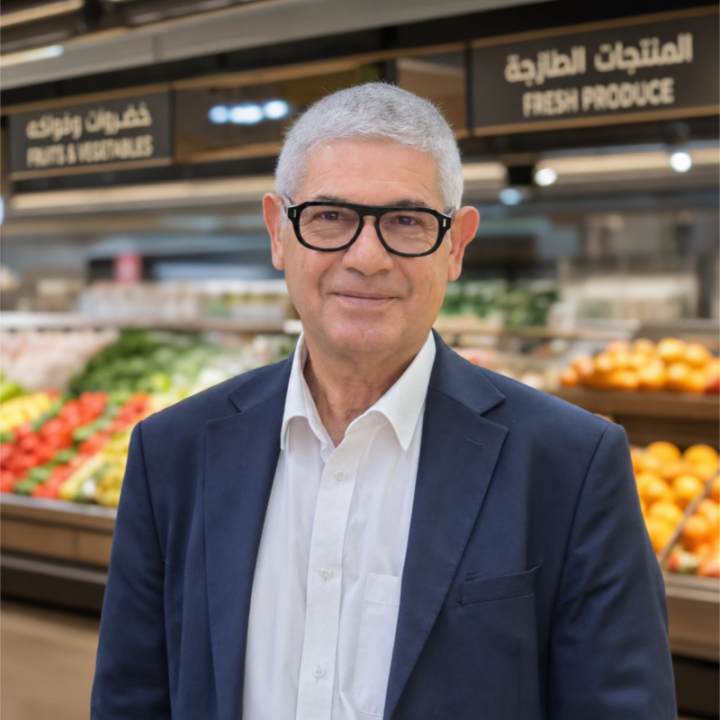
Frederic Levy-Perrault examines retail performance through the operational decisions that determine profitability, customer satisfaction, and business resilience.
As Chief Operating Officer at Makkah Hypermarket Saudi Arabia, he leads operational transformation across store management, logistics, commercial performance, and supply chain activities. His career spans more than 25 years in retail and fast-moving consumer goods across the GCC and other international markets. Previously, as CEO of Al Raya, he led the transformation of a supermarket business operating approximately 70 stores. His professional profile reports that the business achieved 64% EBITDA growth and a 25% productivity improvement over 24 months.
His contributions explore the relationships between supplier reliability, inventory management, pricing, and cash flow. He uses operational examples to show how decisions made across procurement, merchandising, and logistics influence financial results and the customer experience.
For retail executives and business operators, Levy-Perrault offers a perspective grounded in managing complex consumer businesses. His work highlights why sustainable growth depends on consistent execution, accurate operational information, and the ability to adapt commercial strategies to changing market conditions.
Feras Mugharbel, CPTD, ACC
Co-Founder & Consultant, LDX
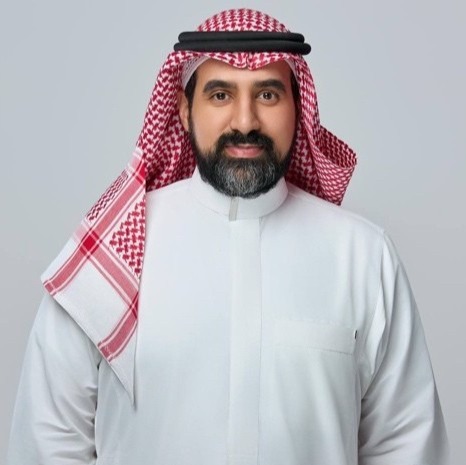
Feras Mugharbel examines leadership development and organisational performance through the skills, behaviours, and learning systems that shape workplace effectiveness.
As Co-Founder and Consultant at LDX, he works on talent development, organisational effectiveness, and professional learning initiatives. His career includes more than a decade of experience in human resources, leadership development, and succession planning within Saudi Arabia. At Berain Water, his professional profile reports contributing to a reduction in employee turnover from 9% to 3% through talent development and employee engagement initiatives.
His contributions explore how organisations can develop stronger leaders and create environments that support continuous learning. He discusses the importance of selecting effective executive coaches, recognising behaviours that influence team performance, and understanding the role of human coaching alongside emerging AI tools.
For HR professionals, managers, and business leaders, Mugharbel offers a perspective on developing organisational capabilities through people. His work highlights why effective leadership development requires more than training programmes; it depends on practical behavioural change, ongoing support, and alignment with business needs.
Final Thoughts: From Ambition to Action Across Saudi Arabia’s Industries
Across artificial intelligence, financial services, aviation, corporate governance, healthcare, retail, and talent development, these ten voices offer different perspectives on how Saudi Arabia’s industries are navigating change.
Their contributions highlight a shared challenge: turning professional expertise into practical improvements. Whether developing intelligent technologies, strengthening financial governance, improving patient safety, or building organisational capabilities, meaningful progress depends on connecting strategic ambitions with informed decisions and effective execution.
Following these voices offers readers a broader understanding of the opportunities and challenges shaping Saudi Arabia’s business landscape. Together, their perspectives show how expertise across different industries can support innovation, stronger institutions, and lasting value.
Highlights
Read the Chinese article here.