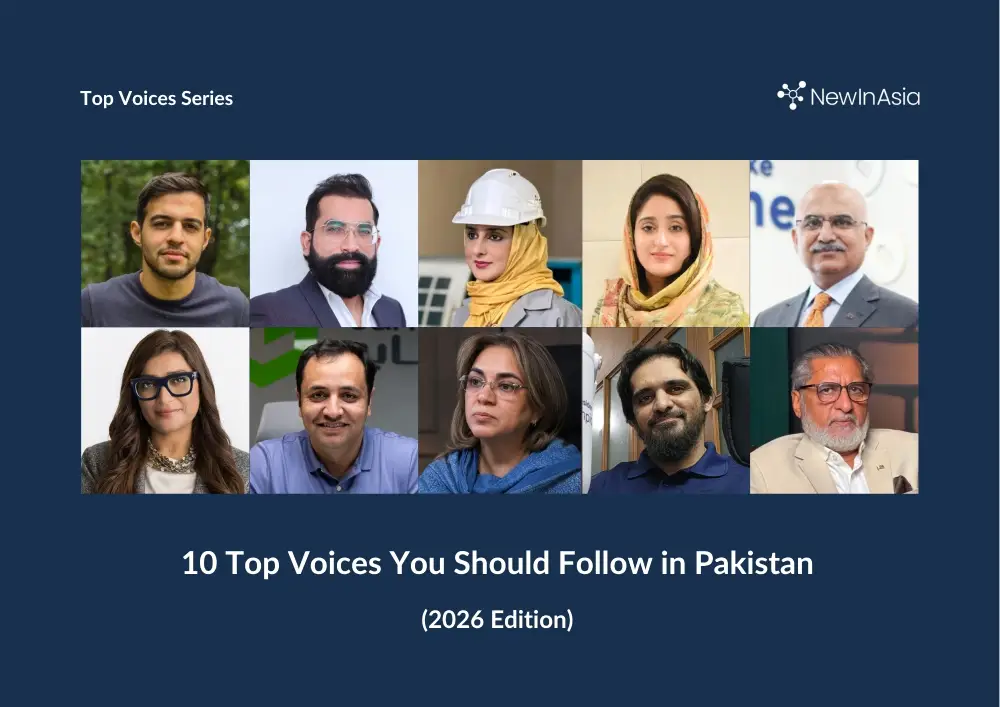
Pakistan’s next generation of ideas is emerging from very different corners of its economy. Consumer brands are learning how to scale. Manufacturers are rethinking operational excellence. Researchers are confronting climate risks, while technologists are navigating AI, cybersecurity, digital rights, and increasingly complex infrastructure.
The 10 Top Voices You Should Follow in Pakistan (2026) offer a useful way into these conversations. Their value comes not simply from the positions they hold, but from experience gained by building companies, managing organisations, conducting research, developing technology, or working directly with the systems they discuss.
Together, their perspectives offer something more useful than commentary on what is changing: a closer look at what it takes to make change work in practice.
Highlights
Agha Usman
Co-Founder, Rawan | Founder, Crumble

Agha Usman’s entrepreneurial story started with Crumble, which began as a student-led cookie stall in a GIKI dorm room in 2020. It has since grown into a bootstrapped and profitable dessert business with six outlets across Rawalpindi and Islamabad, more than 300 team members, nationwide shipping, and thousands of orders processed each week. He has since expanded his entrepreneurial focus as Co-Founder of Rawan.
Building consumer businesses from the ground up gives Usman a practical view of what happens after an idea starts gaining traction.
He often takes readers behind the scenes of that process, exploring sales expansion, merchandise planning, product innovation, and cross-functional operations. His perspective shows that scaling a consumer brand is not only about demand. It is also about building the systems capable of supporting that growth.
Mustafa Mirchawala
CEO, Mirchawala’s Hub of Accountancy
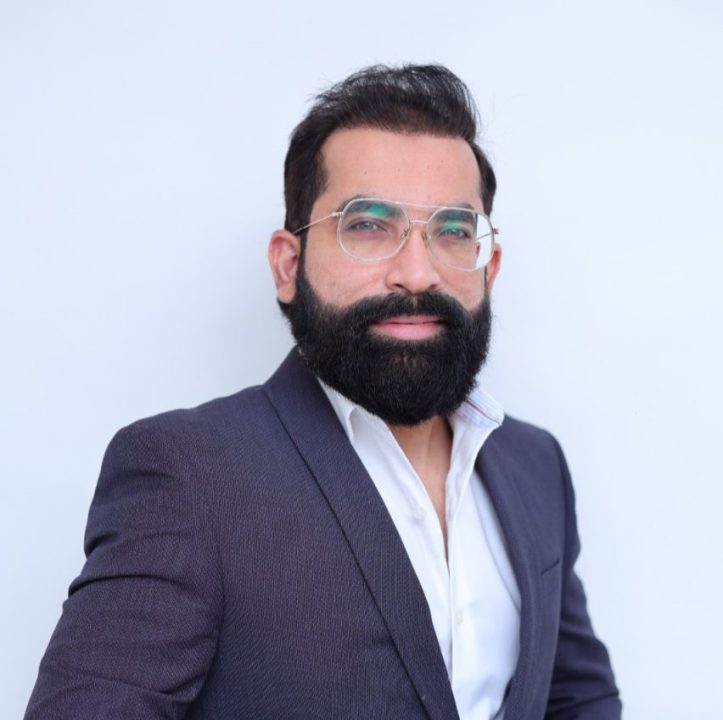
Mustafa Mirchawala is a respected accounting and finance educator with nearly two decades of teaching experience. As CEO of Mirchawala’s Hub of Accountancy, founded in 2009, he leads an ACCA Platinum Approved Learning Provider offering ACCA, ICAEW, CFA and CIA tuition to students in over 40 countries.
He specialises in financial reporting, corporate reporting, IFRS and UK taxation. Under his leadership, the institute has produced more than 350 global and nationwide position holders.
Beyond the classroom, he regularly shares practical insights on accounting, finance, professional qualification pathways, investing and the financial impact of supply-chain decisions. He also stays closely connected with students through international meetups, building a close-knit and supportive global learning community. Through this work, he continues to shape the next generation of finance leaders in Pakistan and overseas.
Dr. Sarah Qureshi
CEO & Co-Founder, Aero Engine Craft
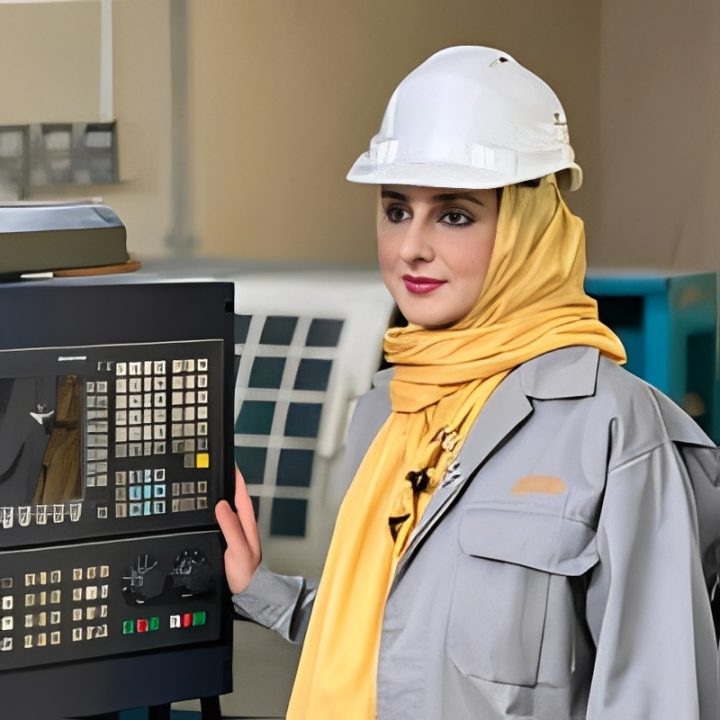
Dr. Sarah Qureshi is a jet engine inventor, an aerospace engineer, and a hobby pilot. She has a PhD degree in Aerospace Propulsion Engineering from Cranfield University, UK.
She is the co-founder and CEO of Aero Engine Craft Private Limited, Pakistan’s first commercial jet engine R&D Company, which she set up with her father, Masood Latif Qureshi, to develop eco-friendly, contrail-free aircraft engines for the global aviation industry. Her company has tremendous potential to revolutionise air travel and is a global first mover in developing contrail-mitigation hardware technology for aircraft engines to combat aviation-induced global warming and climate change in the sky.
Dr Sarah has also invented and patented a low-noise supersonic engine for commercial aircraft and has been granted international patents for her invention. She stands among the very few women jet engine inventors in the history of the world.
Sarah is considered to be a trailblazer for women in STEM and an inspiration for women leaders in Aerospace around the globe. She has received a total of 33 awards and recognitions from both national and international organisations for her achievements in the aerospace industry and has presented her work internationally to NASA, Boeing, and various forums in the UK, UAE, USA, China, and Europe.
She is also a prominent voice on sustainable aviation in the media and is regarded among the top 10 most inspiring women in her country. Sarah has recently been awarded the Tamgha-e-Imtiaz for her dynamic contributions to the country in the field of Science and Technology and has been ranked at 4th position by 100 Asian Scientists for the year 2025.
Zainab Naeem
Associate Research Fellow, Sustainable Development Policy Institute (SDPI)
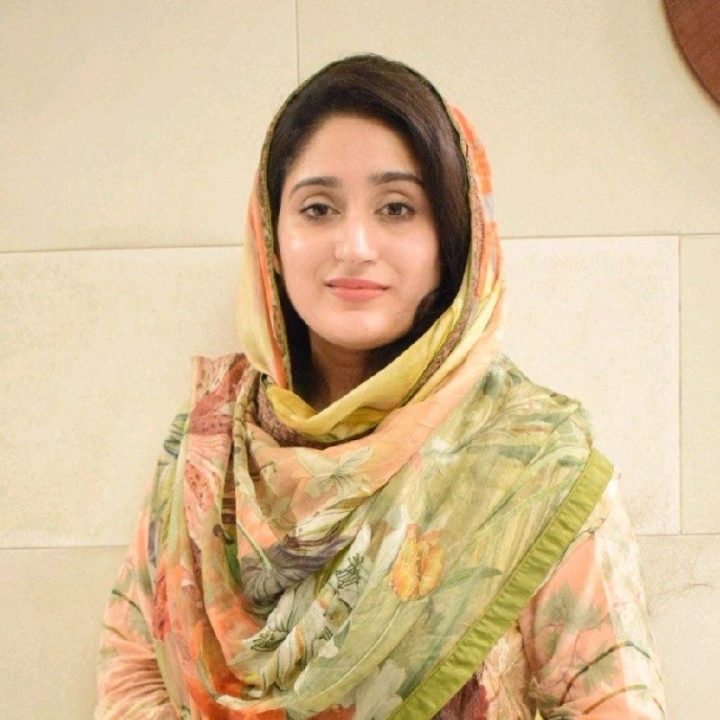
Zainab Naeem is a climate adaptation and environmental policy expert working at the intersection of research, policy, implementation, and climate diplomacy. An environmental scientist and a PhD scholar, she is an Associate Research Fellow at the Sustainable Development Policy Institute (SDPI), where she leads the Program on Ecological Sustainability and Circular Economy. She is also a member of the Punjab Climate Change Implementation Committee.
At the national level, Naeem is leading Pakistan’s National State of Environment Report and served as lead author of the National Circular Economy Policy, which has been submitted to the Ministry of Climate Change and Environmental Coordination.
Her work translates environmental evidence into policy frameworks and implementable solutions across climate adaptation, circular economy, water stewardship, plastics and textile circularity, carbon markets, climate resilience, sustainability reporting, and locally led adaptation. She has also contributed to climate-risk and vulnerability assessments and subnational adaptation planning, connecting national policy priorities with the needs of climate-vulnerable districts and communities.
Naeem’s engagement in climate diplomacy extends to UNFCCC processes and international climate-policy platforms like the International Institute for Applied Systems Analysis, COPs 28-30, Global Waste Dialogue and World Recycling Convention.
Umar Ahsan Khan
Managing Director & CEO, Dawlance
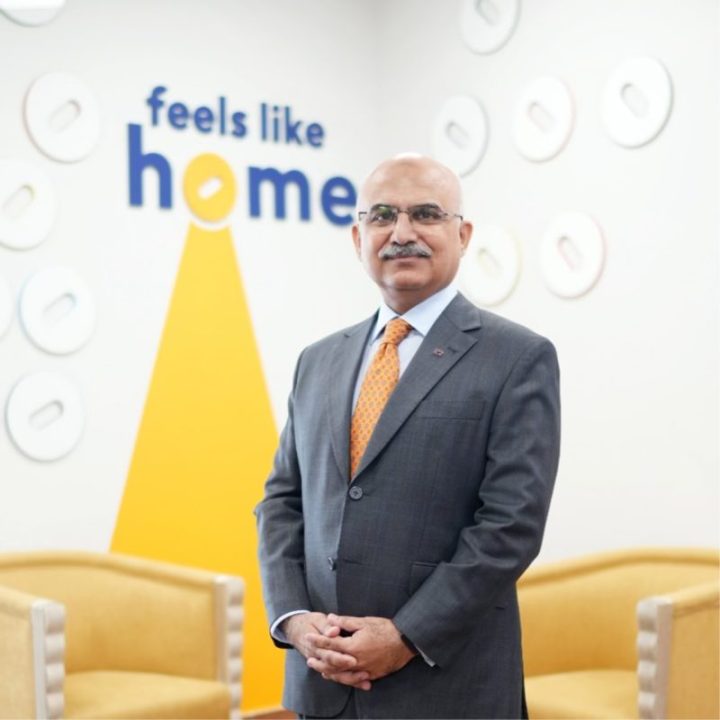
Umar Ahsan Khan brings more than 35 years of experience across finance, manufacturing, strategy, restructuring, supply chains, sales, and corporate leadership. He has led Dawlance as Managing Director and CEO since 2019, after previously serving as its CFO and Director of Finance.
His career has also included leading transformation at Thal Engineering, where his responsibilities extended across three manufacturing plants and functions including technical operations, sales, finance, supply chain, quality, and HR.
That depth of operational experience shapes the way Khan approaches leadership. He often reflects on manufacturing through ideas such as Monozukuri and Genchi Genbutsu, connecting factory-floor realities with craftsmanship, continuous improvement, and leadership. His perspective is a reminder that operational excellence depends not only on strategy and technology, but on understanding how work actually happens and the people responsible for making it happen.
Nighat Dad
Founder and Executive Director, Digital Rights Foundation
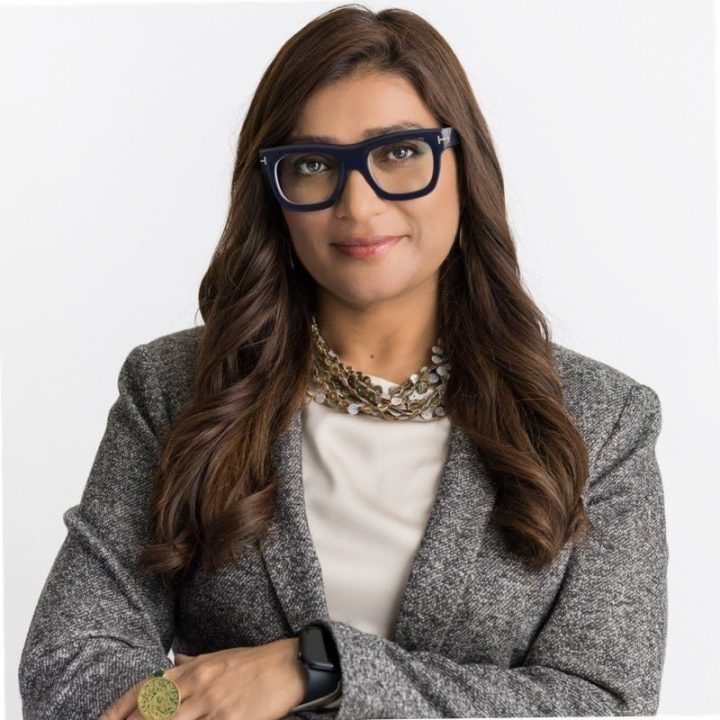
Nighat Dad has spent more than a decade working where technology, law, civil liberties, and human rights intersect.
She founded the Digital Rights Foundation in 2012 and has grown the organisation from a two-person operation into a larger team working on digital rights and internet-related issues. Her experience also includes serving on the Oversight Board and, from 2023 to 2025, the United Nations Secretary-General’s High-Level Advisory Body on Artificial Intelligence. Before that, she practised law for more than 17 years.
Dad approaches emerging technology through the question of who is protected, represented, and accountable. She regularly examines AI governance, digital rights, online harms, gender, and Global South representation, arguing for meaningful civil-society participation in technology decisions. Her perspective brings human rights into conversations that can otherwise become dominated by technical capability or commercial opportunity.
Laeeq Ahmad
Chief Executive Officer, Sarmaaya Financials
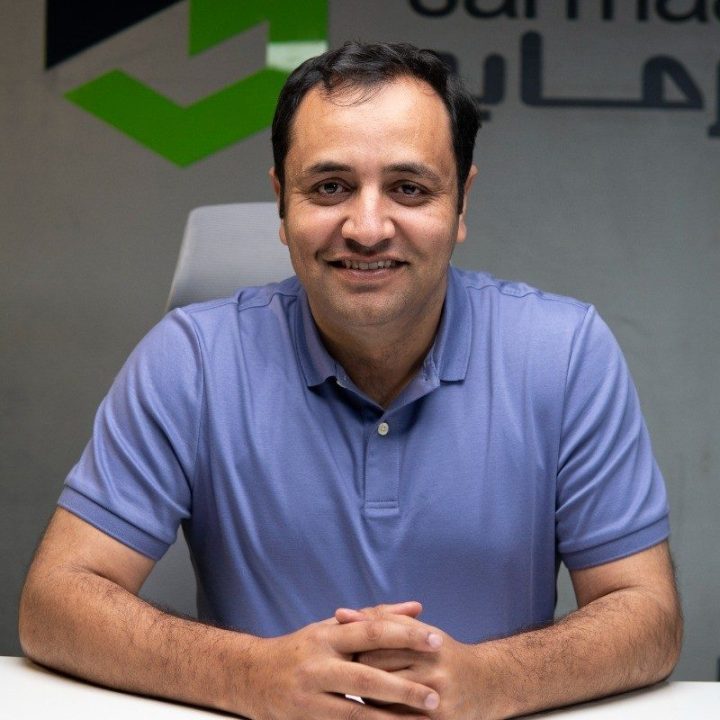
Laeeq Ahmad entered investing without a formal finance degree and went on to build Sarmaaya.pk, a financial research and portfolio-tracking platform serving tens of thousands of investors in Pakistan.
Through Sarmaaya, users can access market data, portfolio tools, financial analysis, and investment education. Ahmad has also trained more than 8,000 students across 32 countries and hosted more than 65 podcast episodes featuring business leaders, economists, and government ministers.
His perspective on investing begins with a straightforward concern: earning money is only one part of building financial security.
That philosophy runs through his discussions of emergency savings, health insurance, portfolio rebalancing, household investments, and disciplined wealth building. Instead of starting with returns, Ahmad often brings the conversation back to foundations—systems, patience, financial resilience, and the habits that support longer-term wealth.
Rabia Azfar Nizami
Managing Director, MEPA, 10Pearls | Adjunct Faculty Instructor, Pakistan Institute of Corporate Governance
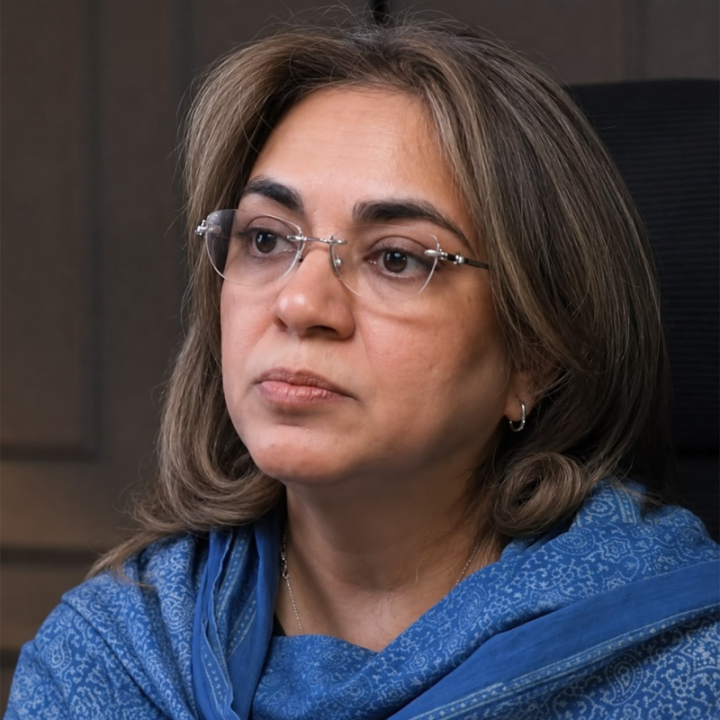
Rabia Azfar Nizami has built her career around enterprise transformation across banking, financial services, energy, telecom, technology, and the public sector.
As Managing Director, MEPA at 10Pearls, she works with leadership teams on scaling execution through technology. Her previous roles include regional and country leadership at JBS Global, enterprise leadership at Microsoft, and five years as a member of the Provincial Assembly of Sindh. She also teaches at the Pakistan Institute of Corporate Governance.
That combination gives Nizami a perspective on AI that extends well beyond the technology itself. She explores AI-enabled organisations through governance, accountability, human judgment, organisational design, and leadership. A recurring question in her work is not simply whether an organisation can adopt AI, but whether its decision rights, data foundations, incentives, and governance are strong enough to use it responsibly at scale.
Muhammad Moosa
Cloud & Network Engineer, Technology Instructor & Course Creator
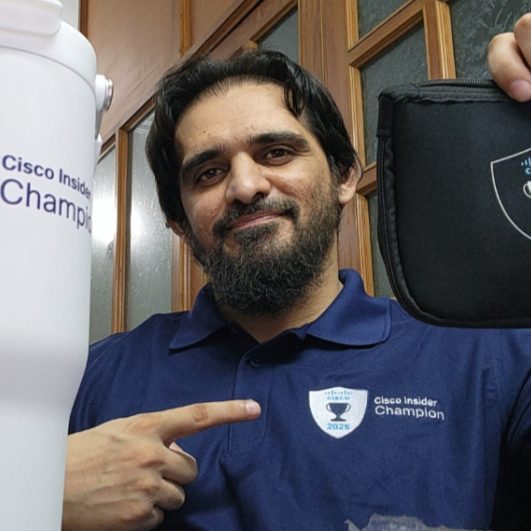
Muhammad Moosa brings more than 15 years of experience across networking, cloud infrastructure, cybersecurity, ISPs, MSPs, and multinational organisations.
His engineering work has included AWS and Azure environments, enterprise networking, firewalls, SD-WAN, routing automation, and large testing environments. Today, he combines that technical background with education as a solo course creator for Cisco and AWS, independently building his courses, audience, business, and wider educational initiatives.
That combination gives Moosa a practical perspective on the gap between learning technology and being ready to work with it. His teaching and mentorship span CCNA and CCNP pathways, cloud, cybersecurity, automation, hands-on labs, certifications, interviews, and career development.
Beyond paid education, Moosa provides free mentorship, courses, and boot camps to deserving students, helping them develop the skills and confidence needed to break into IT and build sustainable careers. His work reflects a broader commitment to making technical education and career opportunities more accessible.
His contribution to the technology community has also earned international recognition. Moosa represented Pakistan as a Cisco Insider Champion in 2025 and again in 2026, giving him the distinction of representing the country in the programme for two consecutive years.
Naeem Ahmad Subhani
Chief Operating Officer, Novum Global | HSE & Sustainability Consultant
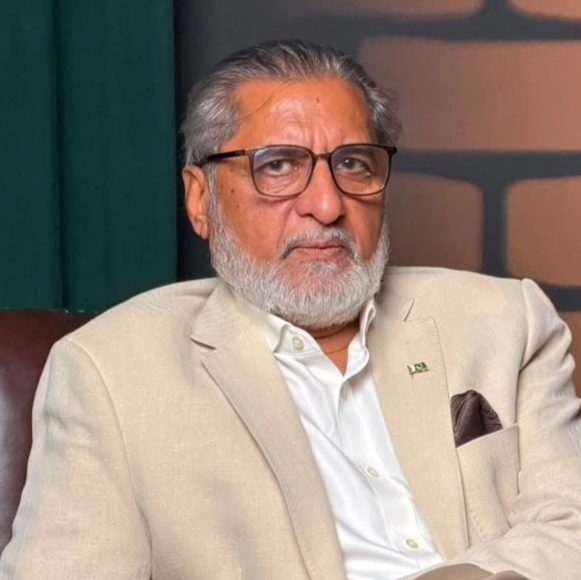
Naeem Ahmad Subhani brings a safety and risk-management perspective to questions that are often discussed only after something goes wrong.
As Chief Operating Officer at Novum Global and an HSE and sustainability consultant, his work spans health, safety and environment, fire and life safety, enterprise risk management, ESG, and sustainability. His professional background also includes upstream oil and construction projects, along with involvement in occupational and construction safety initiatives.
That experience informs a strongly systems-based approach to safety. Subhani examines fire, occupational, and construction incidents by looking beyond the immediate event to questions of codes, investigations, prevention, and regulatory implementation. His analysis of cases such as the PIMS nursery fire illustrates the value of this perspective: safety failures become opportunities to understand where systems, standards, and implementation need to improve before another incident occurs.
Where Pakistan’s Next Capabilities Are Being Built
The 10 Top Voices You Should Follow in Pakistan (2026) reveal a country navigating several transformations at once. New consumer businesses need systems that can support scale. Manufacturers face the challenge of improving continuously while investing in people. Climate risks require policy to translate into implementation, while financial participation depends on making knowledge more accessible.
Technology introduces another layer. Pakistan needs professionals capable of building and managing increasingly complex digital infrastructure, but it also needs institutions prepared to ask difficult questions about AI governance, accountability, security, and rights. At the same time, fields such as aerospace show what becomes possible when technical ambition is paired with sustained research and development.
Across these perspectives, Pakistan’s next phase appears to be as much about building capability as pursuing opportunity.
That makes these voices worth following. They offer a view into the skills, systems, decisions, and debates that could shape how Pakistan turns its ambitions into something that works in practice.
Editorial Note:
This feature is independently curated by the NewInAsia editorial team and is not a paid or sponsored listing. We research professionals using publicly available information, primarily LinkedIn, and conduct an editorial review based on factors such as expertise, consistency of public contributions, engagement quality, professional credibility, and relevance to the featured topic. This is a curated editorial feature, not a definitive ranking.
Highlights
Read the Chinese article here.