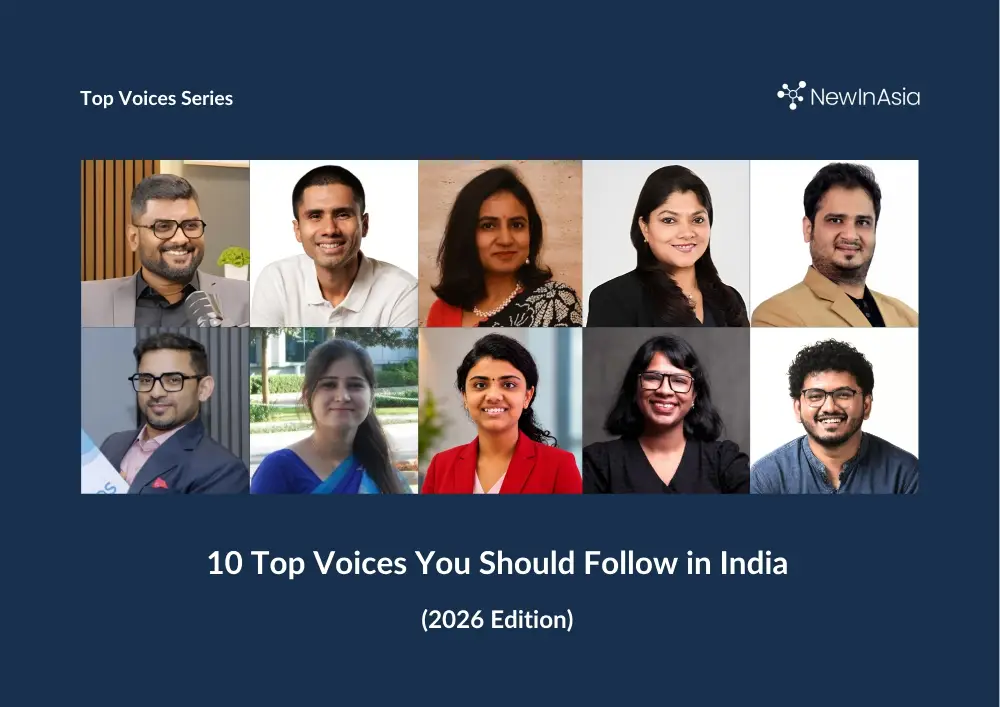
India’s next phase of growth is being shaped by more than capital, technology, and policy. It is also being shaped by people who are working directly inside the systems transforming business, energy, cybersecurity, healthcare, investment, and the workforce.
The 10 Top Voices You Should Follow in India (2026) stand out not simply because they are visible or accomplished, but because their real-world experience gives them a distinctive perspective worth following. Some are building companies. Others are deploying technology, shaping climate action, supporting founders, strengthening social impact, or creating new pathways into work.
Together, they offer something more useful than commentary from the sidelines: practical insight from people working close to the changes they discuss.
Highlights
Prabh Nair
Program Director, InfosecTrain | Program Director, Azpirantz Technologies LLP
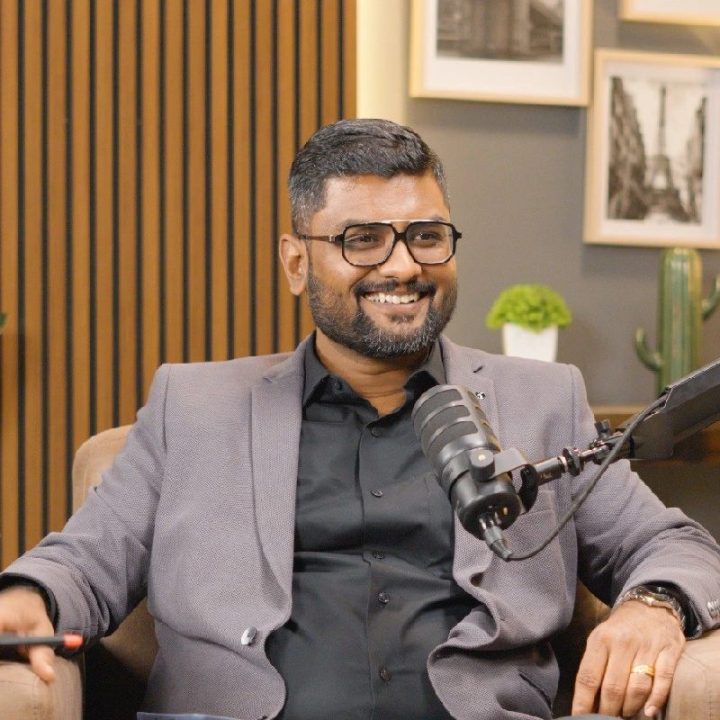
Prabh Nair has spent more than 19 years in information security, beginning as an instructor and consultant when cybersecurity was still an emerging field. Since then, he has worked across information security, application security, AI Security, privacy, AI governance, risk, compliance, and security consulting, serving more than 250 organisations across 25+ countries.
As a founding member and Program Director at InfosecTrain, alongside his work at Azpirantz Technologies, Nair combines security practice with education. That gives his LinkedIn perspective a useful bridge between what organisations need and what security professionals must learn next.
His recent posts extend that experience into AI governance, agent accountability, cybersecurity careers, and frameworks such as CISSP. Rather than treating AI security as a purely technical issue, he examines how organisations should govern increasingly autonomous systems while preparing practitioners for a changing profession.
Rahul Mathur
Vice President, DeVC
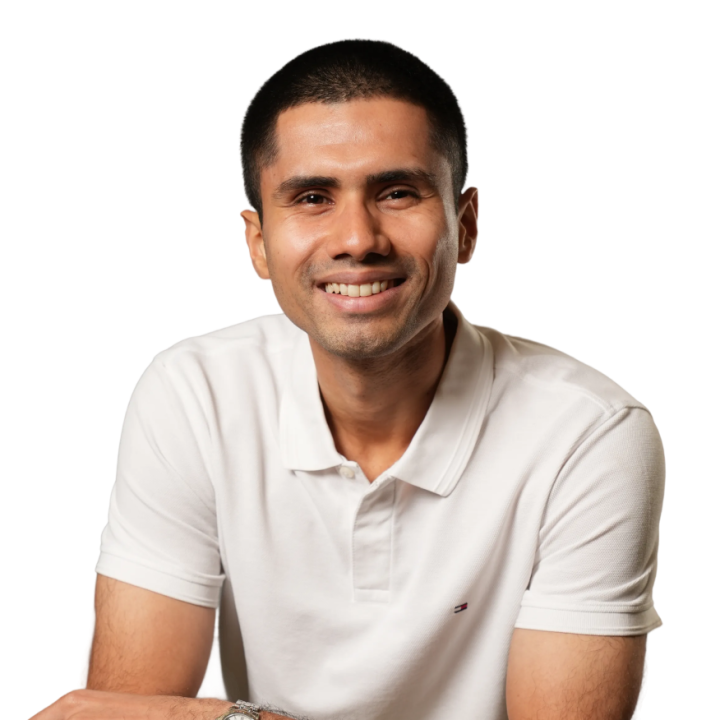
Rahul Mathur brings an unusually direct founder-to-investor perspective to India’s early-stage ecosystem.
Before joining DeVC, he co-founded Verak, which raised $1.85 million from investors including Sequoia Capital India and Lightspeed India Partners and participated in Y Combinator’s W21 programme. Verak later shifted its focus toward small-business insurance, onboarding more than 5,000 MSMEs in its first year before being acquired by InsuranceDekho in 2023.
Now a Vice President at DeVC, Mathur invests across areas including Vertical AI, fintech, consumer businesses, and deep tech. He has also built internal investment infrastructure and managed DeVC’s AI Analyst initiative.
His LinkedIn content reflects that dual experience. He writes not simply about startups, but about how companies are built, evaluated, financed, and understood from the inside. His coverage of founders, technologies, and emerging sectors gives followers a closer look at how investors assess India’s next generation of companies.
Supriya Rathi
Founder, SRX & RoboVR
Supriya Rathi has made robotics not only something to engineer, but something to explain, connect, and build a community around.
With an MSc in Intelligent Robotics and a background in industrial engineering, Rathi founded RoboVR in 2016. Its “Olympics of Robots” concept brings more than 30 human sports into robotic competition, from archery and basketball to swimming and drone racing.
Through SRX, she now focuses on Physical AI, connecting robotics founders, researchers, investors, operators, students, and markets. The platform reaches a global audience of more than 100,000 people and includes the SRX Robotics Podcast.
Her LinkedIn perspective stands out because it moves between technology and ecosystem-building. One post might explore an open-source walking robot, another a lunar rover or a humanoid competition. Throughout, the underlying question remains practical: who is building these machines, how do they work, and how might robotics move from research into real markets?
Vaishali Nigam Sinha
Co-Founder and Chairperson Sustainability, ReNew
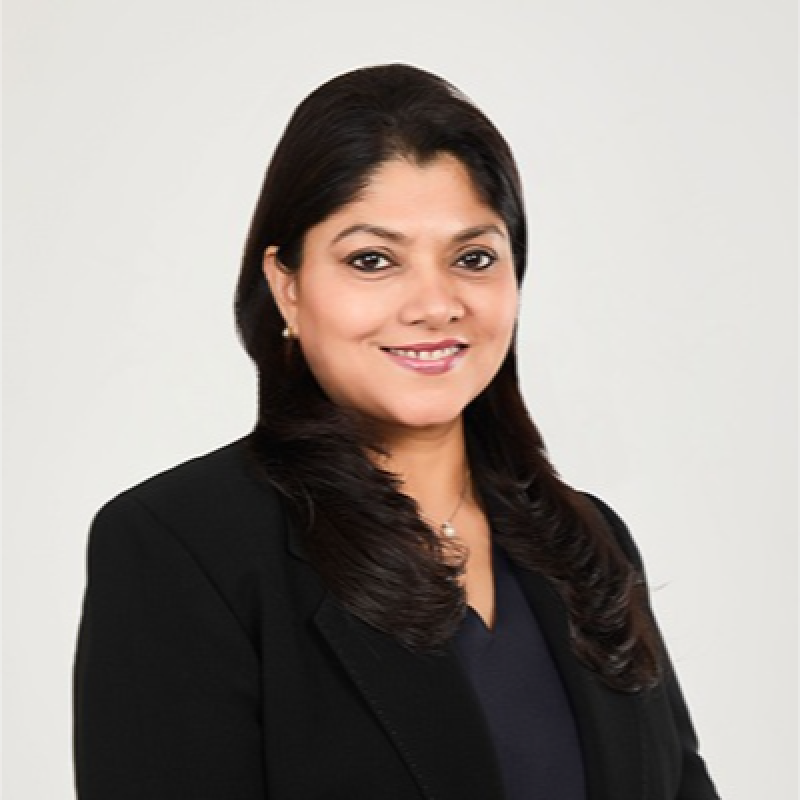
Vaishali Nigam Sinha’s perspective on sustainability comes from building inside the energy transition rather than observing it from outside.
As Co-Founder of ReNew and Chairperson Sustainability, she has been part of the company’s growth from its early stages into a renewable-energy business with a portfolio of more than 6 GW. Her responsibilities have spanned sustainability, CSR, communications, culture, and strategic issues.
She also serves as Founding Chair of the ReNew Foundation and leads initiatives covering clean energy access, education, women’s livelihoods, community development, and net-zero villages. Her broader roles connect her with climate, business, policy, and gender discussions across several institutions.
On LinkedIn, Sinha brings those worlds together. Her content frames sustainability not only as an environmental commitment, but as a leadership, economic, and implementation challenge. That perspective is particularly useful for readers interested in how climate ambitions translate into organisational decisions and real-world programmes.
Sanket Shrikanth
Founder & Director-Sales, SCANDALous Foods
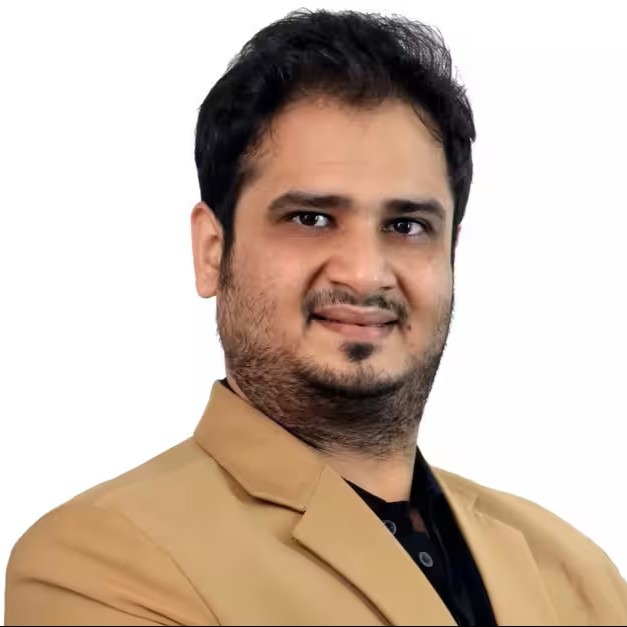
Sanket Shrikanth brings an operator’s perspective to India’s food, HORECA, and consumer markets. His entrepreneurial journey began with Urban Spice in 2011, a catering business that served corporate clients and major events before he exited the company in 2019. Today, he leads SCANDALous Foods, a B2B Indian sweets business focused on standardisation, convenience, and reducing wastage, while also serving as Core Team Lead of TiE Food Network.
That experience gives Sanket a practical lens on how food businesses respond to changing consumer behaviour, regulation, supply pressures, and new market opportunities.
His LinkedIn posts reflect that operator mindset. He examines developments across the food industry and, more importantly, what they could mean commercially. By connecting regulation, consumer occasions, market positioning, supply challenges, and emerging food-tech opportunities, he gives readers a grounded view of how India’s F&B market is evolving from someone building within it.
Bhomik Shah
Founder & CEO, CSRBOX
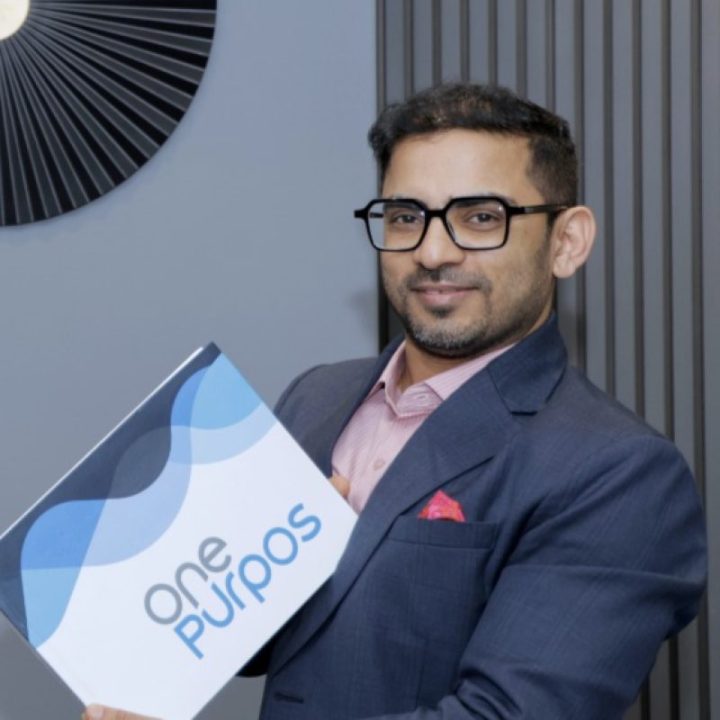
Bhomik Shah has spent more than a decade working at the intersection of corporate responsibility, philanthropy, government, technology, and grassroots implementation.
As Founder and CEO of CSRBOX, he has focused on designing and scaling social-impact programmes while improving how organisations coordinate capital, policy, data, and execution. CSRBOX manages impact initiatives, monitoring and evaluation, CSR facilitation, and collaborations involving businesses and government agencies.
The scale of that work gives Shah a practical view of what happens after an organisation announces an impact commitment. CSRBOX initiatives include road-safety labs in more than 100 RTOs, primary healthcare upgrades in Karnataka, river-basin sustainability programmes in Maharashtra, and the solarisation of more than 200 villages.
His LinkedIn content reflects that operational perspective. Through posts on public-private partnerships, disaster response, research, and opportunities for women, he shows how CSR can move beyond isolated projects toward coordinated development systems.
Vandana Verma Sehgal
Security Leader, Snyk
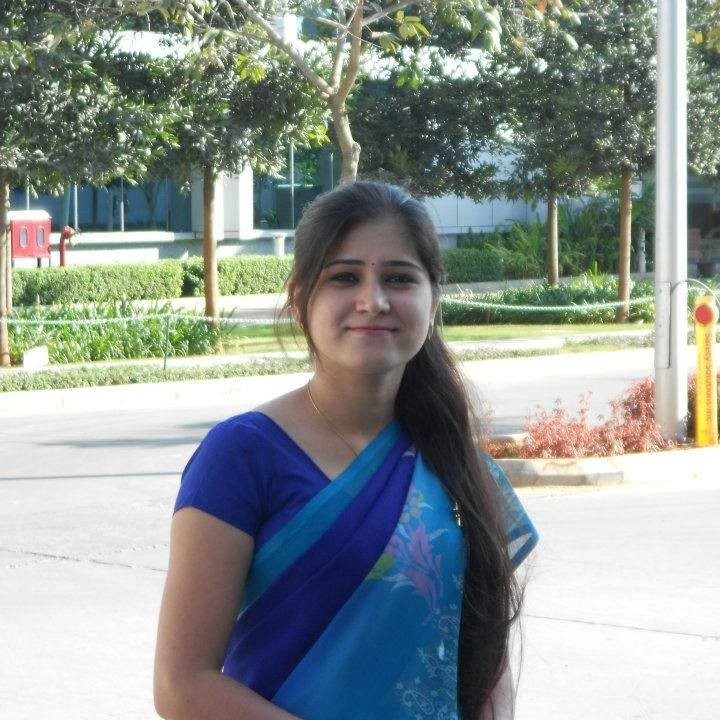
Vandana Verma has spent more than 19 years working across cybersecurity, application security, AI Security, developer communities, open-source initiatives, and security education.
At Snyk, she works with developer and security communities to help people understand vulnerabilities and build more secure software. Her long association with OWASP has included roles as Board Chair, Vice-Chair, Treasurer, Global Board Member, Bangalore Chapter Leader, and Compliance Officer. In addition, she founded InfosecKids and has supported initiatives including InfosecGirls and InfosecDiversity.
Her work has also reached beyond industry professionals. According to her supplied profile, she has trained more than 90,000 citizens in cyber awareness.
On LinkedIn, Verma turns highly technical security concerns into practical guidance. Her recent posts on OWASP’s Agentic AI risks examine unexpected code execution, identity abuse, supply-chain vulnerabilities, excessive privileges, and secure-by-design controls. That makes her feed especially relevant as AI systems gain more autonomy.
Brindha Chandrasekaran
Partner and Subject Matter Expert, Bworld Academy of Clinical Research and Oncology
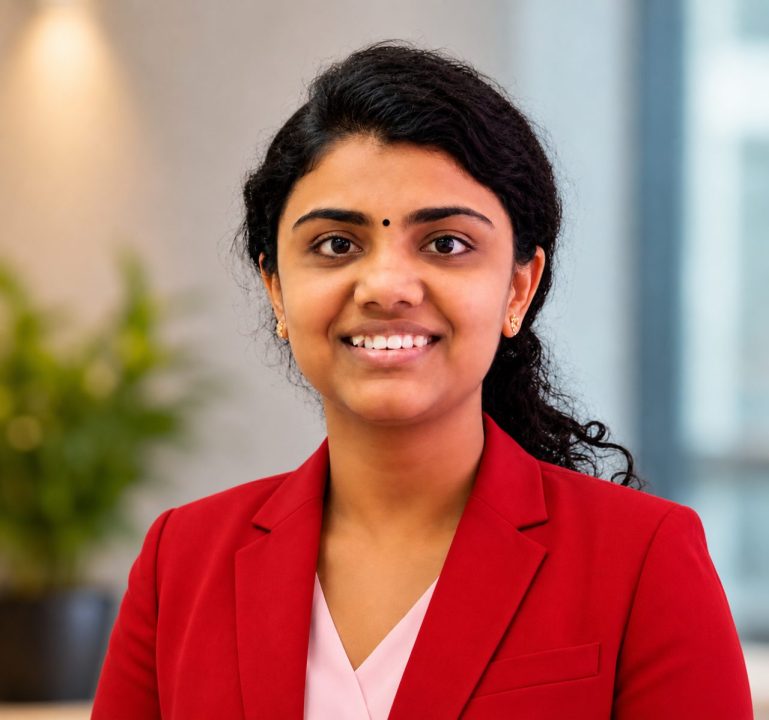
Brindha Chandrasekaran works at the point where clinical research, oncology, diagnostics, regulation, AI and professional education meet.
Before joining Bworld Academy of Clinical Research and Oncology as Partner and Subject Matter Expert, she worked at LARVOL as an analyst focused on oncology biomarkers and diagnostics before progressing to Team Lead. Her current work centres on training and mentoring professionals across clinical research, precision medicine, competitive intelligence, and emerging healthcare technologies.
A central theme in her work is simplification. Rather than leaving regulatory or scientific knowledge in specialist language, she focuses on making difficult concepts easier for junior researchers and industry learners to understand.
That same approach shapes her LinkedIn presence. Her posts explain CE marking, FDA pathways, medical-device approvals, regulatory guidelines, clinical research, and related industry topics. Followers therefore get not simply healthcare news, but a practical learning-oriented view of how complex medical and regulatory systems work.
Sankari Sudharsanan
Founder & CEO, Overqualified Housewives
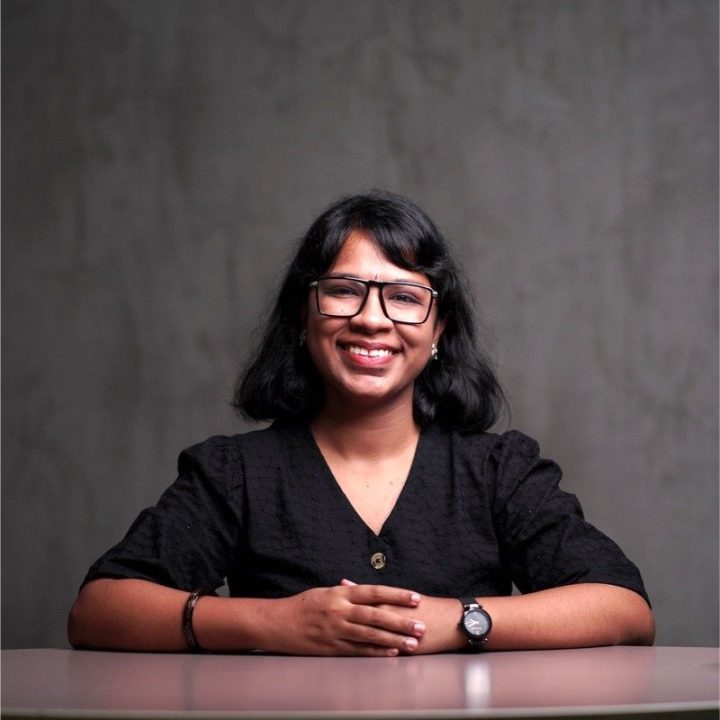
Sankari Sudharsanan’s work starts with a workforce problem that is both economic and personal: many educated women have valuable skills but limited pathways back into paid work.
After nearly eight years at Infosys, including roles as Technical Trainer and Technology Analyst, Sudharsanan founded Overqualified Housewives in 2022. The platform connects businesses with vetted women freelancers while helping women access consistent projects, build skills, work from home, and pursue financial independence.
Her perspective is shaped by that transition. She describes her LinkedIn presence as documenting her journey from being an “Overqualified Housewife” to helping other women find opportunities.
As a result, her content does not discuss women’s employment only through statistics or HR policy. Her posts explore ambition, family expectations, first-generation female students, work routines, financial independence, and purpose from within the realities women themselves are navigating.
Besta Prem Sai
Chief Executive Officer, VECROS

Besta Prem Sai represents the engineering side of India’s growing interest in drones, autonomous systems, and Physical AI.
Before leading VECROS, Sai worked at IIT Delhi as a Project Associate on aerial robotic inspection and dexterous manipulation, where his role included building aerial robots from scratch and testing algorithms on physical platforms. His earlier involvement with IIT Delhi’s Aeromodelling Club also combined technical projects with team and competition leadership.
At VECROS, where he is Founder and CEO, Sai has led development of an indigenous operating system for aerial robots and connected autonomous systems designed for enterprise applications.
His LinkedIn content gives followers a direct window into that building process. Posts on Jetcore for GPS-denied autonomy and JASPER’s more than 2,000 flight hours in dynamic warehouses move the conversation beyond the idea of drones toward deployment, reliability, navigation, and the infrastructure required for autonomous systems to operate in demanding environments.
A Window Into What India Is Building Next
The 10 Top Voices You Should Follow in India (2026) point to something broader than progress within ten individual fields. Together, they reveal how much of India’s next chapter will depend on turning ambitious ideas into systems that work in practice.
That means asking harder questions along the way. How should increasingly autonomous technologies be governed? How can climate ambitions translate into action? What allows emerging technologies to become viable businesses? And how can economic growth create opportunities that reach more people?
These voices approach such questions from very different positions, yet a common thread emerges: progress depends as much on execution, access, responsibility, and learning as it does on innovation itself.
That is what makes them worth following in 2026. Their perspectives provide a window into the choices being made today—and what those choices could mean for the India taking shape next.
Editorial Note:
This feature is independently curated by the NewInAsia editorial team and is not a paid or sponsored listing. We research professionals using publicly available information, primarily LinkedIn, and conduct an editorial review based on factors such as expertise, consistency of public contributions, engagement quality, professional credibility, and relevance to the featured topic. This is a curated editorial feature, not a definitive ranking.
Highlights
Read the Chinese article here.