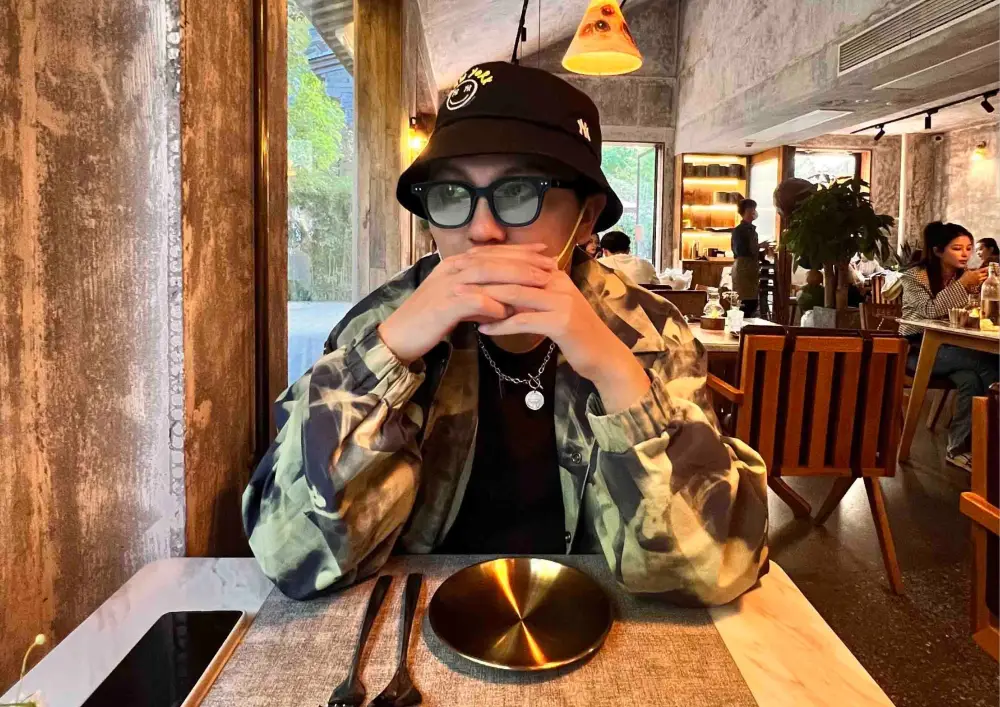
By Johnny, the founder of JohEle
A shipment of sunflowers arrived at one of Singapore’s leading florists. The flowers were in good condition, but the customer was disappointed. Their heads looked too small, and the florist believed they were below the expected quality.
From our perspective, the flowers were suitable for shipment. They simply needed another day in water to open further.
The problem was that the customer had expected to sell them immediately.
I run JohEle, a fresh-cut flower business based in Kunming, Yunnan, supplying markets including Central Asia, the Middle East, Southeast Asia, Japan and South Korea. One thing I’ve learned is that buyers and suppliers do not always mean the same thing when they talk about “good flowers”.
Some buyers prioritise colour and appearance. Others need flowers ready for immediate sale, while some plan to condition them and keep them in cold storage before selling.
The same flowers can meet one customer’s requirements and disappoint another.
For suppliers, understanding what happens after delivery is just as important as knowing what to ship.
Highlights
The Sunflowers Weren’t Ready. Neither Were We.
The Singapore shipment was our first order with that customer.
Before dispatch, we had not clearly agreed on how open the sunflowers should be when they arrived. The florist expected flowers that could go straight on sale, while we shipped sunflowers that needed approximately one day of conditioning.
When the customer raised concerns, I suspected the difference came from unfamiliarity with receiving sunflowers at that opening stage.
I immediately prepared a care guide and asked the florist to place the flowers in buckets of water.
By the next morning, the sunflowers had opened further. The customer was satisfied with the result and thanked us for sharing the guidance.
Fortunately, the situation ended well. But it taught me something important about managing buyer expectations.
We had supplied flowers that could develop into the condition the customer wanted, but we had not accounted for when they needed to sell them.
If a florist needs to sell immediately, an unexpected day of preparation can disrupt their schedule and potentially cause losses.
A product can meet the supplier’s quality expectations and still fail to meet the buyer’s operational needs.
Since then, I’ve paid closer attention to understanding how customers handle their flowers after arrival.
For a florist that routinely conditions flowers and stores them in a cold room, a less open stage may be appropriate. But if the flowers must go straight on sale, we need to plan for a more open stage.
With sunflowers, that may mean purchasing them earlier and allowing time for them to open in water before dispatch.
There is no single opening stage that works for every order. The right choice depends on the customer’s sales process.
Why the Cheapest Flowers Aren’t Always the Best Deal
When discussing a first order, buyers naturally want to know the price and minimum order quantity.
Both matter. But I would not recommend starting with price alone.
Fresh-cut flower prices change daily, and a quotation is only useful when the supplier understands the variety, quantity, grade, and required arrival date.
At JohEle, discussions before a first order typically take between two weeks and a month, depending on the buyer’s questions and decision-making process.
I recommend that buyers begin by reviewing the supplier’s catalogue, selecting the products and grades they need, and specifying their quantities and delivery requirements.
If a flower’s name is unclear, a photograph can help. Different markets sometimes use different names for the same product, and visual references make it easier to confirm what the buyer wants or discuss alternatives.
Price comparisons also require context.
A florist may compare flowers available in the local market with a quotation for flowers sourced from a producer. But those products may be at different stages of their commercial life.
Locally available flowers may already have spent several days in the supply chain. Some may be older, unsold stock.
That does not automatically make direct sourcing the better choice. It means the comparison should account for the flowers’ condition, expected usability and timing, not just their price per stem.
I encourage buyers to compare quotations over time or assess several actual orders, paying attention to both cost and condition on arrival.
A small saving per stem may not be worthwhile if the flowers arrive in a condition that does not suit the customer’s sales plans.
What Suppliers Should Ask Before Dispatch
Our Singapore experience changed how I think about the questions suppliers should ask.
Knowing which flowers a customer wants is only the beginning.
We also need to understand when the flowers will be sold or used, whether the buyer can condition them before sale, and whether cold storage is available.
These details influence the opening stage, purchasing schedule and transport arrangements.
Colour and appearance should also be agreed in advance. If substitutions become necessary, both sides need to understand which requirements are essential and which can be adjusted.
Photographs are particularly useful for confirming expectations that may otherwise be difficult to describe, such as what “ready to sell” means.
The aim is to resolve these questions before dispatch rather than leave customers to discover differences when they open the cartons.
For suppliers serving multiple countries, this is especially important.
An experienced florist in one market may handle flowers differently from an equally experienced buyer elsewhere. Familiarity with the product does not guarantee that both parties follow the same preparation or sales process.
The supplier’s responsibility is to understand those differences rather than assume that one approach will work everywhere.
Delivery Planning Starts Before the Flight
Once the buyer’s requirements are clear, the delivery schedule needs to support them.
At JohEle, we work backwards from the required arrival date and confirmed flight to arrange purchasing, hydration and packing.
Under our operating arrangements, orders must be confirmed no later than two days before departure. This is a planning requirement, not a guarantee that transport and customs clearance will take only two days.
Packing also needs to reflect the flowers being shipped.
We take additional care with varieties and foliage that dehydrate easily, secure cartons to reduce movement and use ice packs to help maintain the temperature inside.
Shipping documentation must match the physical shipment, including carton counts, shipping marks and packing lists.
Before dispatch, both sides should also confirm the destination’s documentation requirements, collection arrangements, payment terms and waybill procedures.
These details may seem administrative, but poor coordination can create avoidable delays after arrival.
And for a product with a limited selling window, delays can affect the value of the shipment.
Good Flowers Depend on What Happens After Arrival
The Singapore sunflower shipment remains an important lesson for me.
The customer was not wrong to expect flowers ready for sale. We were not necessarily wrong about the condition in which the sunflowers could be shipped.
The mistake was failing to establish that we had different expectations before the order left Kunming.
That experience reinforced why suppliers need to look beyond how flowers appear at dispatch.
A good shipment must also fit the customer’s handling arrangements, sales schedule and market requirements.
For buyers, this means communicating those requirements clearly rather than relying on broad descriptions of quality.
For suppliers, it means asking the right questions, explaining what customers should expect and making sure the flowers arrive in a condition that suits their intended use.
Good flowers are not simply the ones that look right when they leave the supplier. They are the ones that meet the customer’s needs when they arrive.
About the Author
Johnny is the Founder of JohEle, a fresh-cut flower business based in Kunming, Yunnan, China. A former Alibaba employee with nearly a decade of experience in international trade, he established the business in his home province, working with relatives and friends involved in flower cultivation.
JohEle operates more than 20 hectares of its own growing area and works with partner farms covering over 133 hectares combined. The business supplies fresh-cut flowers to international florists and traders.
Learn more about JohEle on its official website and connect with Johnny on LinkedIn.
Highlights
Read the Chinese article here.