There is a moment Sajani Lokuge looks for whenever she talks about AI. It is not the moment someone says, “Wow.” It is the moment someone says, “Okay, I get it.”
Because that is the real turning point — when AI stops feeling like a headline and starts feeling like something you can actually use. Something that belongs in day-to-day work, not just in a keynote, a roadmap, or a demo.
That moment is where Sajani spends most of her time.
In her role as AI Content Manager at IFS.ai, she leads strategic enablement and messaging across Agentic AI, Industrial AI, and IFS’s most advanced AI offerings. Sitting at the intersection of R&D, product, marketing, and commercial teams, her work focuses on one essential challenge: closing the gap between what AI can do and what people can actually adopt.
Highlights
- What “Meaningful AI Work” Actually Means to Her
- Why She Still Thinks Like a UX Designer When Building AI
- Bringing 7,000 People Along on the AI Journey
- The Hard Part of AI Isn’t Technology — It’s Trust
- Why She Keeps Coming Back to Storytelling
- The Moments That Changed How She Shows Up as a Leader
- Final Thoughts: When AI Finally Feels Human
What “Meaningful AI Work” Actually Means to Her
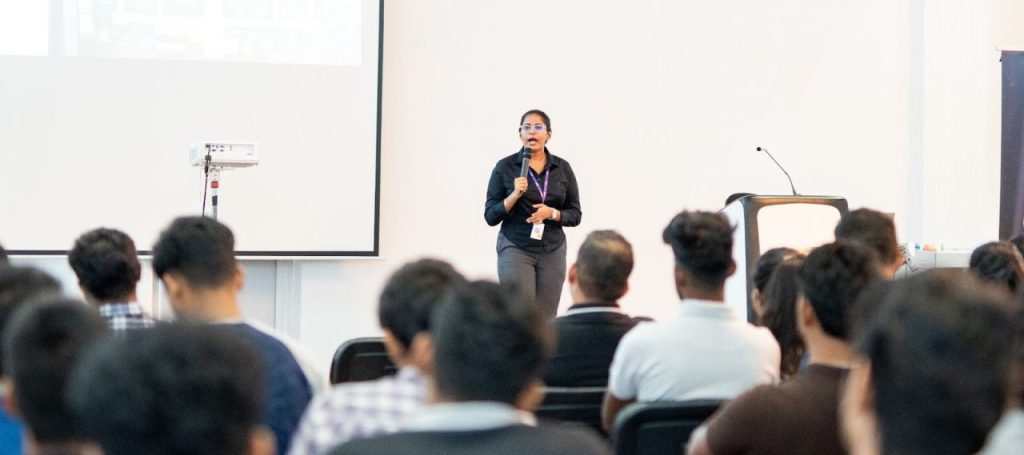
In 2026, Sajani keeps returning to a deceptively simple question: What does meaningful work look like in AI now?
For her, the answer is grounded in reality.
Meaningful AI is not theoretical. It is not something that works only in ideal conditions. It is AI that helps people do their jobs better — amid real constraints, real complexity, and real responsibility.
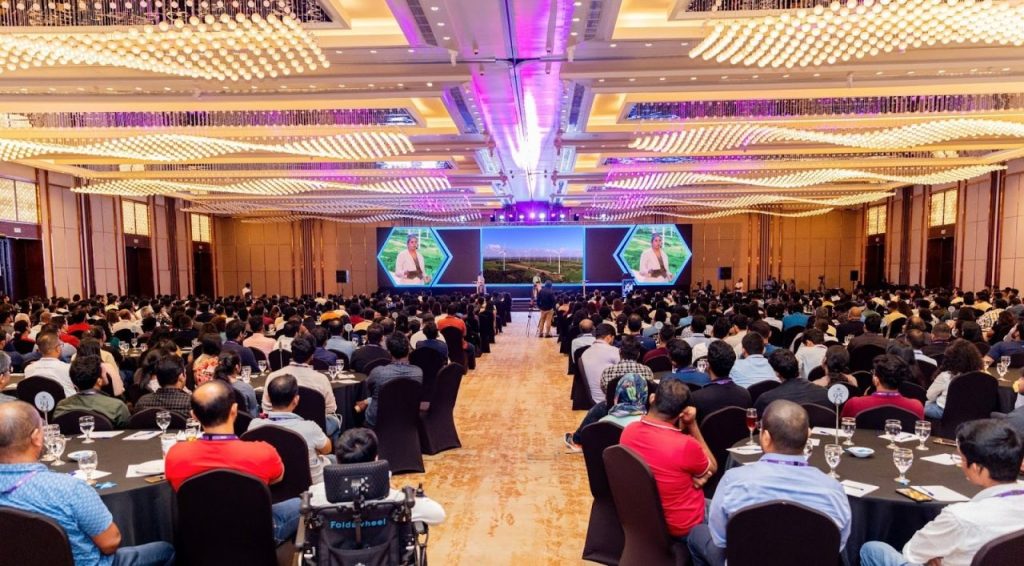
That is why clarity matters so deeply in her work. Much of what she does is unglamorous but essential: helping teams understand what is being built, how it applies to them, and what they can do next. Through initiatives like the Global AI Town Hall, which she hosts monthly for more than 7,000 IFS employees worldwide, Sajani creates space for questions, dialogue, and shared understanding.
For her, meaningful work is simple to define, but hard to execute: making AI not just powerful, but usable.
Why She Still Thinks Like a UX Designer When Building AI
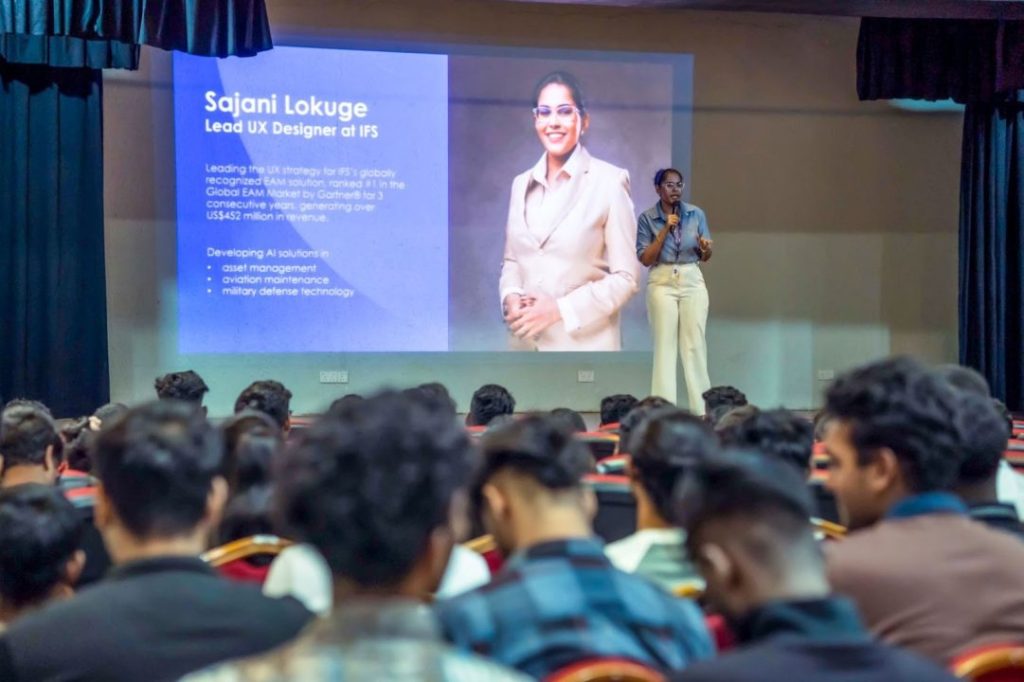
Sajani’s path into AI leadership was not linear — and that is precisely her advantage.
Before stepping into AI enablement, she built her foundation in UX strategy and design, leading user-centred initiatives across large enterprise products. That chapter taught her something crucial: UX is not just creativity. It is a responsibility.
When you shape experiences at scale, your decisions have consequences. Teams build based on your guidance. Customers adopt based on what you design. Organisations move based on what you clarify.
That mindset carries directly into her AI work today. AI systems may be more complex than interfaces, but the principle is the same: if people cannot understand them, trust them, and use them confidently, adoption fails.
Her UX background gives her a systems-level view of empathy — balancing human needs with enterprise realities, governance, and accountability.
Bringing 7,000 People Along on the AI Journey
Bringing an organisation of more than 7,000 people along on an AI journey is not a communication exercise. It is an alignment challenge.
For Sajani, alignment is not about unanimous agreement. It is about shared language and shared direction.
She focuses on three core principles. First, messages must be simple enough to travel. If a story cannot be repeated by someone busy, it will not scale. Second, relevance matters. Different teams hear “AI” through different lenses — capability, customer value, risk — but the core narrative must remain consistent. Third, people need a next step. Alignment strengthens when individuals know how to act on what they hear, even in small ways.
Alignment, she believes, is built through many small moments, consistently reinforced over time.
The Hard Part of AI Isn’t Technology — It’s Trust
One of the most misunderstood aspects of enterprise AI, in Sajani’s view, is adoption.
Adoption is not a yes-or-no decision. It is a trust journey.
Beyond accuracy and integration, people are asking harder questions: Who is accountable? What happens in edge cases? Where are the guardrails? Can I trust this system over time?
Her approach is to remove mystery and reduce hype. Start with real operational problems. Be explicit about how AI works, where it operates, and how humans remain in control. Adoption accelerates when organisations tell one coherent story — not competing versions shaped by different teams.
In Industrial AI, trust is not optional. It is the foundation.
Why She Keeps Coming Back to Storytelling

What continues to motivate Sajani, even in a fast-moving AI landscape, is the craft of translation.
Over the past two years, she has taught more than 10,000 undergraduates — an experience that sharpened her leadership more than any title ever could. Teaching at that scale teaches humility. People do not need more jargon. They need clear mental models, simple narratives, and a reason to care.
That same muscle defines her work at IFS. She takes complexity and turns it into clarity. She watches teams move from uncertainty to confidence when the story finally makes sense.
It is why she was brought into the AI Business Unit in the first place: to ensure that IFS’s AI story is not just heard, but remembered.
The Moments That Changed How She Shows Up as a Leader

Several moments reshaped how Sajani shows up as a leader.
Moving from UX into enterprise-scale AI changed her definition of “good.” Elegance alone was no longer enough. At scale, “good” also meant governable, reliable, and safe.
Taking on high-visibility enablement taught her that leadership is consistency. People do not listen once — they listen over time, watching for coherence and follow-through.
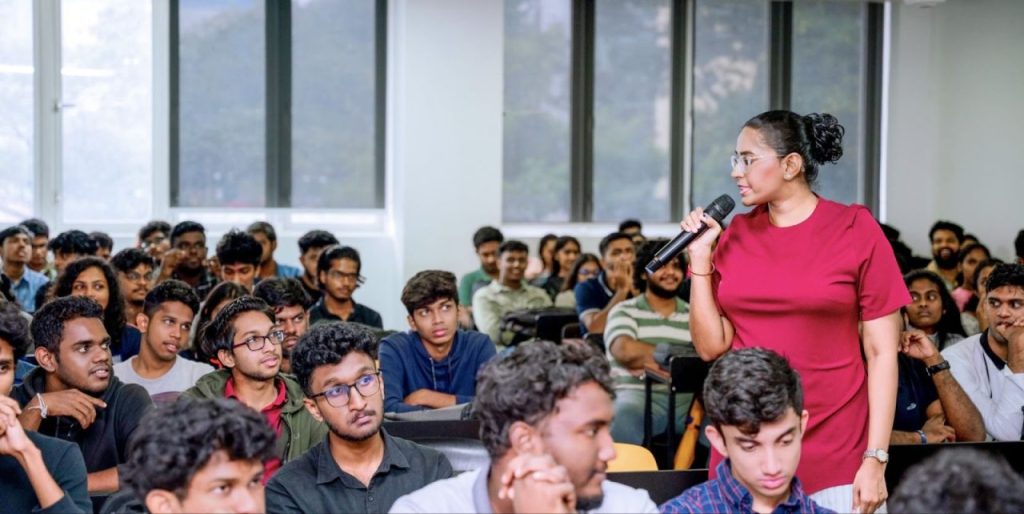
Moderating large-scale conversations shifted her view of influence. Leadership, she learned, is not only about having the right answers. It is about asking better questions and creating progress in the room.
Today, she leads with clarity, alignment, and responsible momentum — aware that while AI moves fast, trust remains the true currency.
Final Thoughts: When AI Finally Feels Human
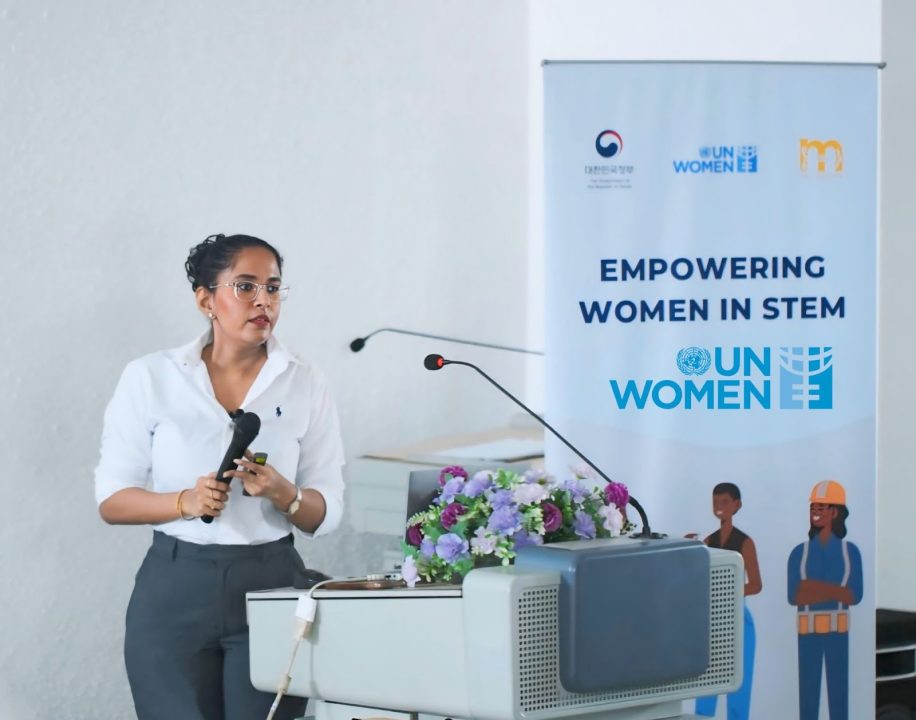
If there is one thread running through Sajani Lokuge’s work, it is this belief: AI should earn its place. Not through hype, but through outcomes people can feel and trust.
When AI becomes something people can use confidently — in the flow of real work — it stops being abstract. It becomes meaningful. It becomes worth building.
That is the kind of work Sajani is committed to in 2026 and beyond: work where technology serves people, clarity replaces confusion, and progress is measured not by headlines, but by adoption that truly lasts.
Highlights
- What “Meaningful AI Work” Actually Means to Her
- Why She Still Thinks Like a UX Designer When Building AI
- Bringing 7,000 People Along on the AI Journey
- The Hard Part of AI Isn’t Technology — It’s Trust
- Why She Keeps Coming Back to Storytelling
- The Moments That Changed How She Shows Up as a Leader
- Final Thoughts: When AI Finally Feels Human
Read the Chinese article here.