In hospitality, performance is not optional. It is visible in every guest interaction, every operational decision, every seamless handover between teams. The industry runs 24 / 7. Energy cannot dip. Focus cannot drift. Composure is expected.
So here’s the real question: How do the people sustaining that level of performance sustain themselves?
The Westin Singapore — part of Marriott International’s global portfolio — has long positioned itself around a simple but disciplined philosophy: Move Well, Eat Well, Sleep Well. It’s easy to read that as branding. It’s harder to examine what it looks like internally.
Because if a high-pressure, always-on hospitality environment can normalize recovery, discipline, and structured wellbeing, there’s something here leaders in any industry should pay attention to.
We spoke with three team members across strategy, marketing, and frontline operations to understand how wellness works — not as a concept, but as a daily practice.
Highlights
The Discipline of Showing Up — Even When Momentum Is Gone
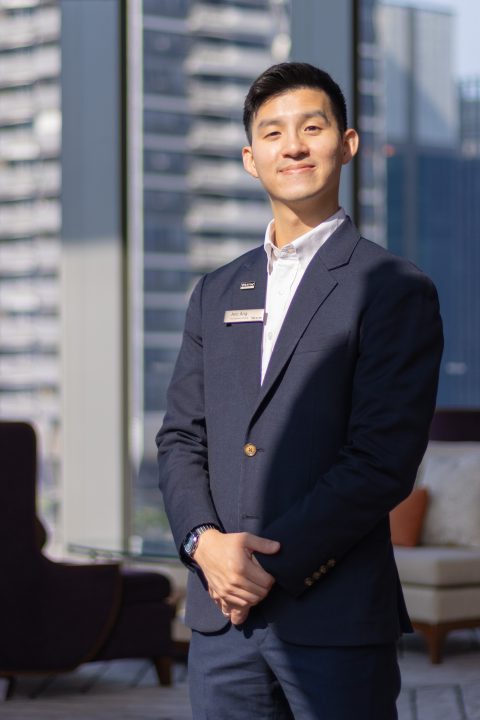
Aric Ang, Revenue Manager at The Westin Singapore, believes the strongest habits are the simplest ones.
“In a high-performance environment, I’ve found that the best habits are the ones that are simple enough to protect. For me, that’s running — low cost, always accessible, and easy to fit around my schedule.”
There’s also an intention behind it. “As someone in their 30s, knowing that long-distance runners peak at this age makes it motivating to stay the course.”
But momentum doesn’t sustain itself.
“The hardest period was starting a new job shortly after getting married — two major life changes at once. The steep learning curve left me mentally drained in a way that felt physical. Moving out of home for the first time added another layer of adjustment. Any momentum I had built felt lost overnight.”
What brought him back wasn’t intensity. It was structured.
“I set a concrete goal — a timed trial run. Small enough to start, but meaningful enough to reignite consistency. That single anchor gave me a wellness boost when I needed it most.”
During a period covering the Run Concierge role, his commitment to running deepened further. But more importantly, the environment reinforced something practical.
“Recovery looks different depending on what I’m recharging from — sometimes it’s physical, other times it’s mental. Being at Westin has shaped how I approach this. Wellness isn’t just a brand pillar here; it shows up through dedicated wellness time off and organized events that make recharging part of the culture rather than an afterthought.”
His advice to leaders constantly on the move is direct:
“Show up every day, even imperfectly. It’s not grand gestures that build resilience — it’s the quiet consistency of small habits compounding over time. If you miss one workout, don’t miss the second.”
Consistency beats intensity. Especially over decades.
Reset the System Before You Burn Out
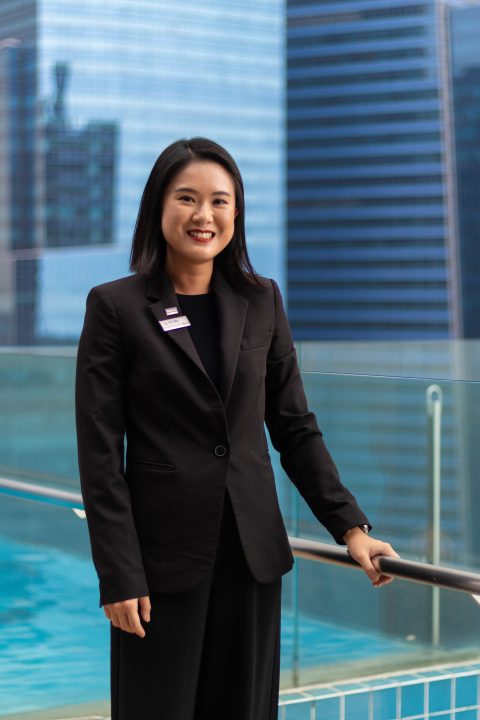
For Teo Shi Min, Marketing Communications Manager at The Westin Singapore, movement is both release and recalibration.
“Running — it’s where I clear my mind, release stress, and reconnect with myself. Putting on my running shoes and heading out helps me process challenges and reset emotionally. It’s where I can literally run my stress and problems off.”
Interestingly, work brought her back to the habit.
The Westin Singapore had been the official hotel for elite runners participating in the Standard Chartered Singapore Marathon from 2023 to 2025. Being closely involved in the hotel’s marathon-related activations — and seeing athletes, guests, and the wider community commit to movement and endurance — reignited her own relationship with running.
“I stopped running for a while, but I found my way back through work. Being directly involved in the hotel’s marathon-related activations reminded me of the connection between movement and mental clarity. Seeing guests and the community commit to wellness inspired me to re-establish my routine.”
Her turning point came during a period of unexplained fatigue.
“I was constantly tired — physically and mentally — despite not doing anything particularly strenuous. I realized the fatigue was coming from a lack of structure and intentional self-care.”
So she rebuilt her rhythm from the ground up.
“I committed to waking up at 5 AM to exercise, heading to work afterward, and then sleeping early with my kids — typically before 9 PM. It was tough at first. But after a month, my body adapted. I started waking up refreshed, and my morning workouts became something I genuinely looked forward to.”
Sleep and diet followed. Small adjustments. Sustainable shifts.
“What I learned is that wellbeing doesn’t require dramatic changes — it’s about building habits that support both body and mind.”
Through Westin Wellness Weekend, a quarterly wellness retreat hosted by The Westin Singapore that focuses on holistic wellness and fostering connections among like‑minded people and other initiatives, she explored Reformer Pilates and structured gym training — experiences that extended beyond work.
“These weren’t just at-work moments. They shifted how I prioritize movement in my daily life.”
When it comes to recovery, her approach is immersive.
“For me, recharging means scuba diving. Being underwater is the one place where I feel completely disconnected from daily noise and fully present. The calmness, the stillness, the weightlessness — it forces me to slow my breathing and stay mindful. It’s a form of active meditation.”
Her leadership advice reflects that discipline.
“Don’t sacrifice your breaks. Recovery isn’t optional — it’s essential for sustained peak performance. In hospitality, it’s easy to believe we need to be always on. But breaks are part of the job. They allow you to show up with clarity, energy, and presence — for your team and your guests.”
Burnout rarely announces itself loudly. It builds quietly. Structure prevents it.
Calm Before the Shift — Strength After the Miles
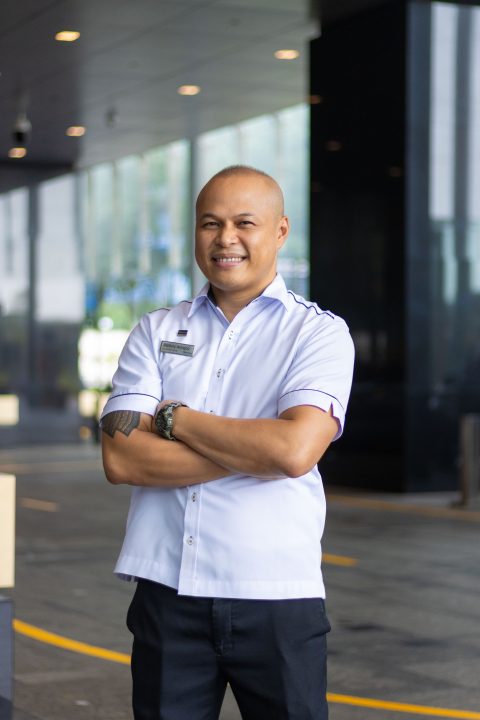
On the frontline, Arigoy Zentury De Guzman — known as Zen, Concierge–Bellman at The Westin Singapore — anchors his wellbeing in stillness before movement.
“One habit that keeps me grounded is taking a moment to calm my mind before I start my shift. I always settle my thoughts before the day begins. It helps me stay focused, especially in a fast-paced, guest-facing role.”
He draws a firm boundary.
“I make it a point not to bring personal issues into work so I can give guests my full attention.”
Physically, his reset is demanding.
“After work, cycling is my way of resetting — I aim for 150KM a week. It keeps me balanced physically and mentally.”
The work itself is not light.
“As a bellman, I’m constantly moving and handling luggage. Dealing with guests from different cultures, personalities, and languages can be challenging.”
Perspective carries him through harder days.
“I remind myself of the rewarding parts of the job — meeting new people and helping them have a great stay. Focusing on that makes the tough days easier.”
One internal ritual stayed with him.
“At The Westin Singapore, we make it a point to recognize each other’s efforts. Encouraging and motivating the people around me is something I’ve carried beyond work.”
Culture, in this case, is not policy. Its behavior repeated daily.
Final Thoughts: Wellness Is Not Soft — It’s Structural
It’s easy to treat wellness as marketing language.
But when revenue managers rebuild momentum through timed runs, marketing leaders reset their energy through disciplined mornings, and frontline staff cycle 150KM a week to stay sharp — that’s structure.
The Westin Singapore operates in one of the most demanding service environments in the world — constant expectations, high guest standards, and zero pause on operations.
And yet, recovery is normalized. Movement is encouraged. Rest is intentional.
There’s a broader lesson here for founders, executives, and operators across industries.
Sustained performance requires structure. Recovery is not indulgent — it is operational. Consistency outperforms intensity over time.
When the people behind a brand live the philosophy themselves, culture becomes credible. And when culture is credible, performance becomes sustainable.
That is how wellness works — not as a perk, but as a system.