As organizations across Asia grapple with shifting expectations around work, leadership, and inclusion, the role of HR is undergoing a fundamental transformation. No longer confined to policy and process, HR is increasingly being called upon to shape culture, enable performance, and safeguard human dignity in moments of uncertainty.
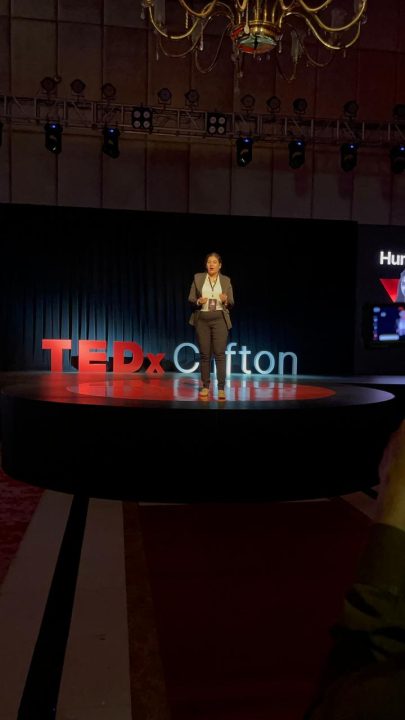
Humna Altamash Yousuf, Head of Human Resources and Culture Development at iTecknologi Group, has built her career at that intersection. With over a decade of experience leading people strategy for organizations of up to 1,000 employees, Humna brings a values-led approach to HR — one rooted in empathy, courage, and accountability, and recognized through industry awards and a recent TEDx appearance.
In this conversation, she reflects on the values that guide her leadership, what it truly takes to build workplaces where people thrive, and the responsibility HR leaders carry in shaping the future of work.
Highlights
- Leading With Values — Navigating Change Through Respect and Courage
- Redefining HR — From Managing People to Enabling Potential
- Culture as a Lived Experience — What It Takes for People to Truly Thrive
- Growth Beyond Recognition — Staying Grounded After Success
- Advice to the Next Generation — Choosing Integrity Over Comfort
- Final Thoughts — Building Workplaces Rooted in Trust and Dignity
Leading With Values — Navigating Change Through Respect and Courage
Q: You’ve built a career at the intersection of people, purpose, and performance. What personal values have shaped your journey as an HR leader — especially during moments of challenge or change?
A: For me, leadership has always started with respect, empathy, responsibility, and courage. I truly believe that organizations are built on people’s trust, not just their skill sets.
Whenever I’ve faced moments of challenge or change — whether navigating transformation initiatives or leading people through uncertainty — these values have guided every decision I make. Respect reminds me that every individual deserves dignity and that respect must always be earned. Empathy reminds me that every policy ultimately impacts a life.
Responsibility keeps me grounded in doing what is right, even when it’s difficult or unpopular. And courage empowers me to challenge norms, advocate for fairness, and push for workplaces that uplift human dignity. These values haven’t just shaped my career; they’ve shaped who I am as a leader and as a person.
Redefining HR — From Managing People to Enabling Potential
Q: From TEDx stages to boardrooms, you often speak about the future of work and leadership. What drives your commitment to transforming how organizations treat people?
A: I’m driven by the belief that HR is not about managing people — it’s about enabling potential and making employment meaningful and rewarding.
The future of work is fundamentally human-centered. Leaders have a responsibility to evolve beyond traditional command-and-control approaches. What motivates me most is seeing how the right culture, opportunities, and sense of belonging can completely change someone’s career trajectory — and even their life.
Every initiative I’ve led, from women empowerment and DEI efforts to building family-friendly workplaces, comes from the conviction that organizations thrive when people feel valued, respected, and seen. I want workplaces to be spaces where people aren’t merely surviving employment, but genuinely growing, contributing, and becoming the best versions of themselves. It’s still a long journey in many cultures, but I do believe we’re starting to see positive shifts.
Culture as a Lived Experience — What It Takes for People to Truly Thrive
Q: You’ve helped shape culture at iTecknologi and beyond. What does it really take to build a workplace where people don’t just stay — but thrive?
A: Building a thriving workplace requires real intentionality. It’s not about having policies documented on paper; it’s about turning them into lived experiences.
At iTecknologi, we’ve focused on creating an ecosystem where employees feel supported not only as professionals but as human beings. That means psychological safety, growth opportunities, inclusion, recognition, and trust — all working together.
It also requires leadership commitment, not just HR advocacy. Culture only transforms when leaders genuinely believe in people and model the values they expect others to live by. When employees feel heard, empowered, and cared for, retention becomes a natural outcome rather than a forced strategy. True culture-building isn’t about keeping people — it’s about helping them flourish.
Growth Beyond Recognition — Staying Grounded After Success
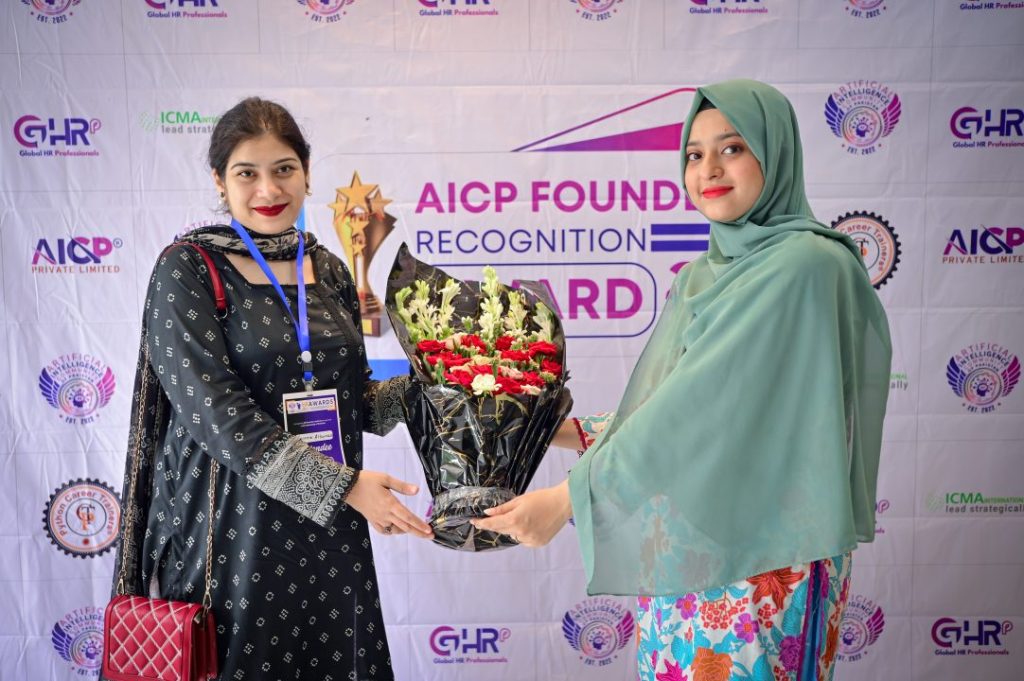
Q: You’ve been recognized as a LinkedIn Top Voice in L&D and named an “HR Rising Star.” How do you stay motivated to keep growing, even after such achievements?
A: Awards are incredibly humbling, but they’re never the destination — they’re simply milestones.
What keeps me motivated is the realization that there is always more work to be done and more lives to impact. HR is evolving every day, and staying relevant means continuously learning, adapting, and challenging yourself.
My motivation also comes from people — the employees I support, the teams I collaborate with, the senior HR fraternity contributing to the profession, and the young professionals who look to HR leaders for guidance.
When someone tells me that something we built made their work-life better, safer, or more meaningful, that’s the real reward. It reminds me why I started and why I must continue.
Advice to the Next Generation — Choosing Integrity Over Comfort
Q: For young HR professionals or culture champions just starting out, what’s one lesson you wish someone had told you earlier about making a real impact?
A: I wish someone had told me that HR isn’t about being perfect — it’s about being human.
When you step into this field, you carry both privilege and responsibility. You’ll face difficult conversations, tough decisions, and moments where it feels easier to compromise. Don’t. Stand firm on integrity and compassion.
Never underestimate your voice. Speak up for fairness. Advocate for inclusion. Build solutions that balance business needs with human dignity. And most importantly, keep learning. The HR professionals who create real impact aren’t the ones who simply understand policies — they’re the ones who truly understand people.
Final Thoughts — Building Workplaces Rooted in Trust and Dignity
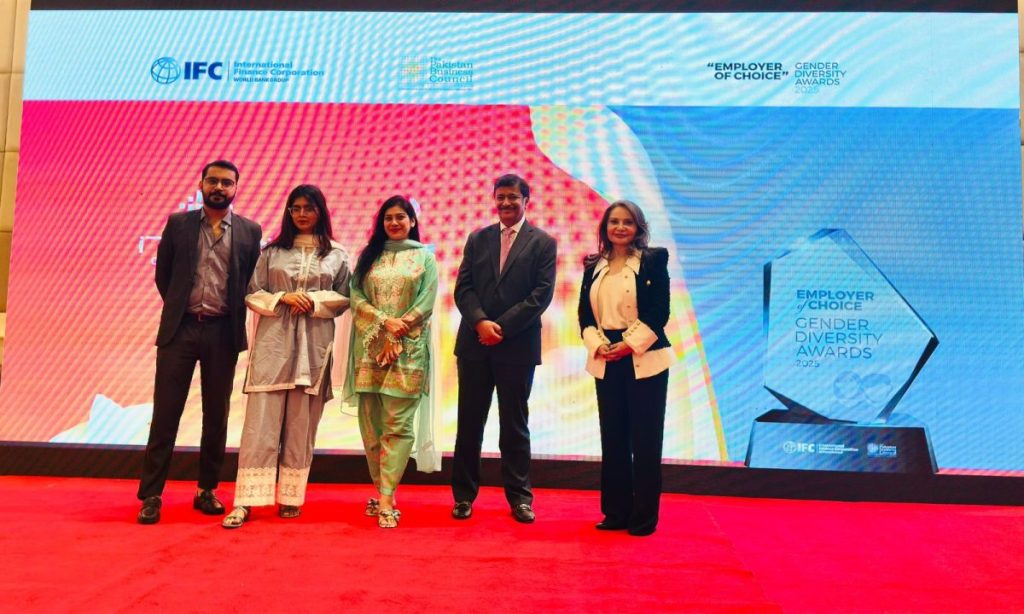
Across every stage of Humna’s journey, one principle remains constant: organizations succeed when they honor the humanity of the people within them.
From navigating change with empathy to embedding culture as a lived experience, her work reflects a belief that performance and compassion are not opposing forces — they are deeply interconnected. In a future where talent expectations are shifting and trust is increasingly fragile, HR leaders carry a responsibility that goes far beyond compliance or administration.
By leading with courage, integrity, and respect, Humna represents a new generation of HR leadership — one focused not just on building better organizations, but on creating workplaces where people can truly thrive.
Highlights
- Leading With Values — Navigating Change Through Respect and Courage
- Redefining HR — From Managing People to Enabling Potential
- Culture as a Lived Experience — What It Takes for People to Truly Thrive
- Growth Beyond Recognition — Staying Grounded After Success
- Advice to the Next Generation — Choosing Integrity Over Comfort
- Final Thoughts — Building Workplaces Rooted in Trust and Dignity
Read the Chinese article here.