In 2026, Malaysia’s edge won’t be won by strategy decks alone — it will be won by the organisations that can redesign work faster than the market shifts. As AI changes job scopes and cost pressure forces leaner teams, people strategy has become a business survival skill, not an HR trend.
That’s why the Top 10 Voices in HR, Leadership & People Strategy in Malaysia (2026) deserve attention: they’re shaping how companies hire, lead, reward, and retain talent at scale.
Moreover, their influence stretches across fintech, aviation, energy, banking, hospitality, and national workforce systems — proving that progress in Asia is built by leaders who can move people and performance together. Now, let’s meet the voices setting that standard.
Highlights
Evelyn Koh
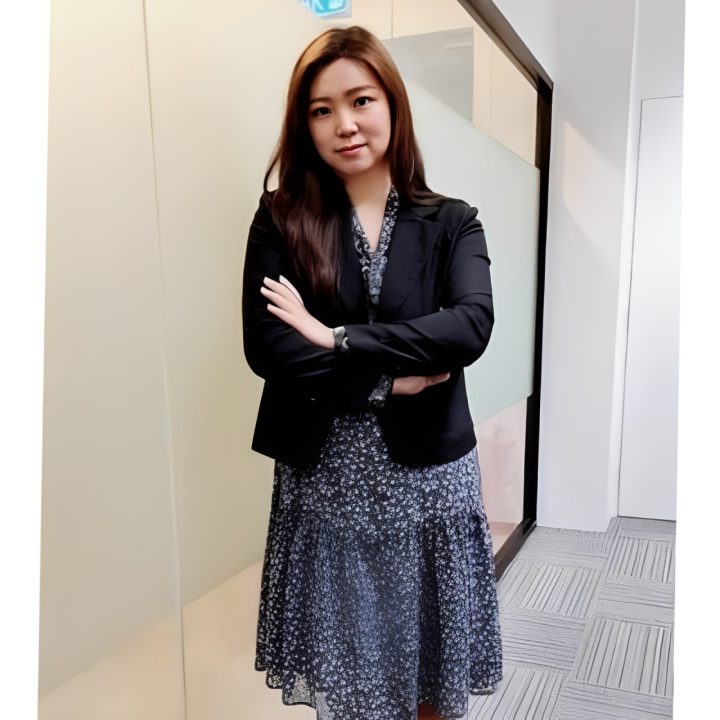
Evelyn Koh is building the HR engine behind one of Malaysia’s most-watched digital platforms. As Head, People Operations at TNG Digital, she focuses on making HR systems scalable without losing the human touch — a tough balance in fast-growth environments.
Previously, she led Talent Acquisition at TNG Digital and also ran HR across Sun Pharma (Malaysia & Singapore), giving her a range across tech and regulated industries. Moreover, her career reads like an operator’s story: she doesn’t romanticise culture, she designs it through process.
Ultimately, Evelyn shows what modern People Ops should look like — efficient, employee-centric, and built for growth.
Intan Shahira Mohd Shahru

Intan Shahira Mohd Shahru sits where workforce strategy meets commercial reality. As Chief People Officer at AirAsia Group, she has led people decisions in an industry that has lived through disruption, reinvention, and constant pressure to do more with less.
Before that, she built deep expertise in organisational effectiveness and rewards, and earlier still, she held strategic human capital roles at Bank Negara Malaysia — a rare blend of private-sector speed and public-sector rigour.
Furthermore, her journey signals a leader who understands that talent strategy is not “HR work” — it’s business architecture. In short, Intan is a key voice for anyone serious about transformation at scale.
Norlida (Oli) Azmi
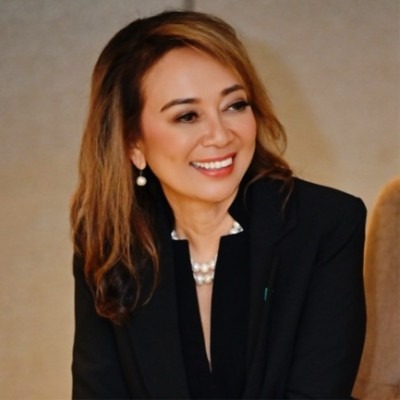
Norlida (Oli) Azmi brings boardroom weight to people strategy — and she doesn’t speak in buzzwords. With 35+ years across global financial institutions and Malaysian conglomerates, she has led transformation where culture must shift without breaking governance.
Her leadership journey includes senior roles at PNB, Group Chief People Officer at Axiata, and Group Chief Human Capital Officer at UEM Group, a pivotal role that marked her first major impact after nearly two decades overseas.
Today, she leads Chapter Advisory while serving as an Independent Non-Executive Director at Peoplelogy, where she also chairs the Remuneration Committee — meaning she shapes the link between performance, incentives, and leadership behaviour.
Moreover, her credibility comes from having done the work, not just advised it. Ultimately, Oli is the voice leaders turn to when culture change needs accountability.
Badrie Abdullah
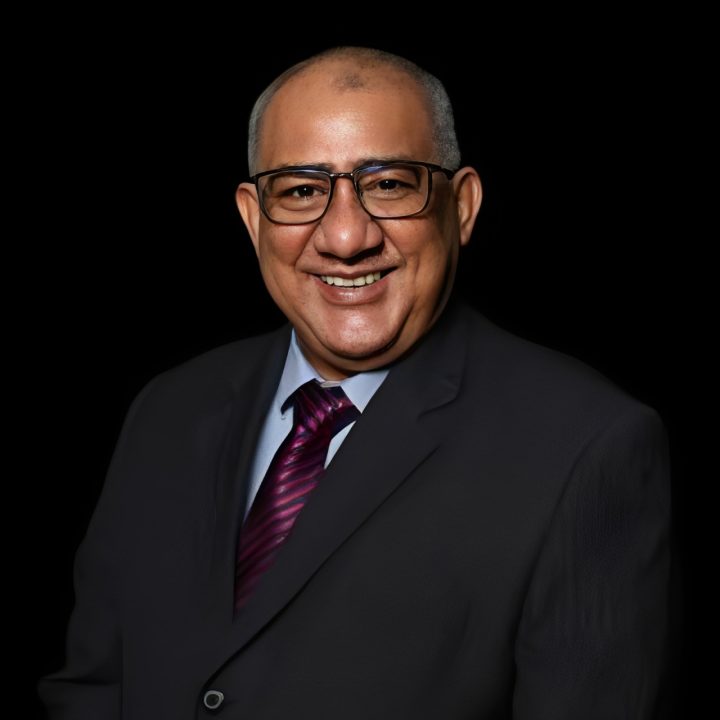
Badrie Abdullah serves as Head of MyMAHIR at Talent Corporation Malaysia Berhad (TalentCorp), supporting Malaysia’s workforce readiness as part of a broader nation-building agenda. His work focuses on strengthening the links between industry demand, skills development, employability pathways, and workforce transformation — so talent strategies translate into real outcomes for people, sectors, and the economy.
With over four decades of leadership experience across multiple sectors, Badrie brings a long-term perspective shaped by practice and service. Over the years, he has earned trust among industry leaders and partners through a consistent track record of integrity, sound judgment, and an ability to work across boundaries. This trust enables him to convene diverse stakeholders, align interests, and help move conversations beyond intent into shared action.
As a leader, he is known for listening closely, engaging with humility, and holding the line on what matters — credibility, accountability, and outcomes. He believes that sustainable talent progress requires more than programmes; it requires relationships built on trust, evidence, and a shared commitment to serve the national interest.
Guided by a human-centred ethos, Badrie views talent development as fundamentally about dignity and opportunity — ensuring Malaysians can adapt, progress, and participate meaningfully in a changing economy. For him, nation-building is practical work: helping institutions collaborate better, ensuring investments lead to employability outcomes, and keeping the focus on people.
Shazmi Ali
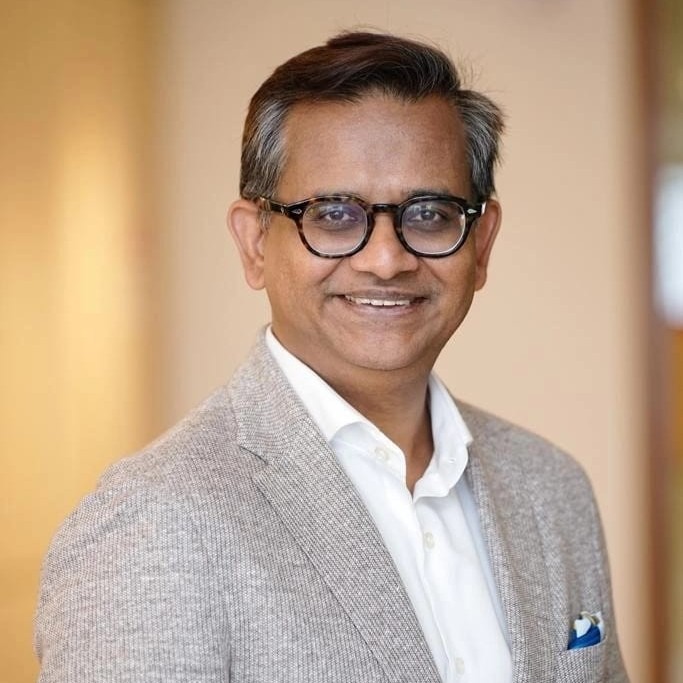
Shazmi Ali is a visionary global HR leader currently serving as Vice President of Human Resources for Shell Business Operations (SBO) and Shell Malaysia, where he oversees HR strategies for 30% of Shell’s workforce (30,000+ employees) across international hubs in Asia and Europe.
With a focus on inclusive leadership, digital transformation, and organizational agility, he drives Shell’s business evolution through future-ready talent development, culture change, and DE&I initiatives. In Malaysia, he manages the full HR spectrum for 4,500+ employees across Upstream, Downstream, and Integrated Gas operations, strengthening leadership pipelines and high-performance cultures.
A polyglot with 20+ years of experience at ExxonMobil, Pfizer, and CAE, Shazmi is known for his strategic foresight, change leadership, and ability to build globally aligned, locally empowered teams. An advocate for cultural intelligence and purposeful leadership, he loves blending academic rigor with a passion for workforce innovation in the energy transition era
Thomas Ch’ng
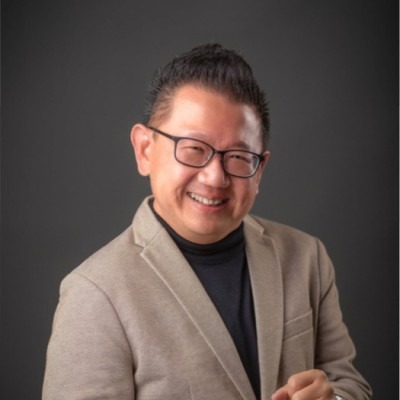
Thomas Ch’ng is a reminder that people strategy isn’t only built in corporate HQs — it’s built on the ground, where real workplaces live. With 34 years in HR and deep hospitality experience, he has led workforce strategy in service environments where culture is visible every day.
Notably, he has concluded six collective agreements with Malaysia’s national union — a marker of real IR credibility, not theory. Furthermore, his career across Hard Rock Hotel Penang, Marriott properties in Langkawi, and now G Hotel Malaysia shows steady leadership through change and labour complexity. In short, Thomas brings a practical, union-tested voice to the list — the kind businesses respect when stability matters.
Chee Gay Lim
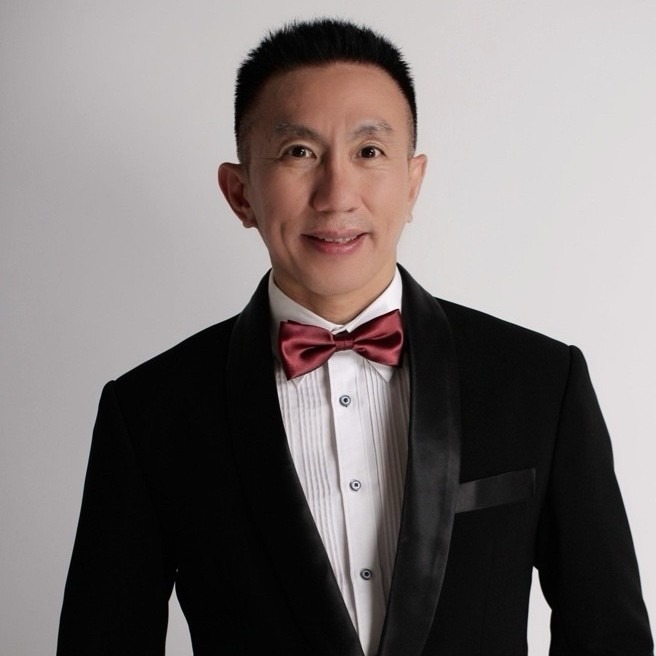
Chee Gay Lim has one of the most multi-dimensional leadership arcs on this list — from manufacturing floors to global CHRO leadership. He previously served as Global CHRO and EVP HR at TDCX, held senior HR leadership roles at AIA and Samsung, and now leads as Managing Director at The Access Group, a major UK-headquartered business software provider.
Moreover, he’s not just “HR senior” — he’s an advocate for building HR with analytics, AI, and operational discipline. Furthermore, his involvement as an Adjunct Professor and TalentCorp Fellow shows a leader who shares playbooks, not just opinions. Ultimately, Chee Gay represents the future-facing HR leader who can speak business, technology, and people in the same sentence — and mean it.
Izham Ab Wahab
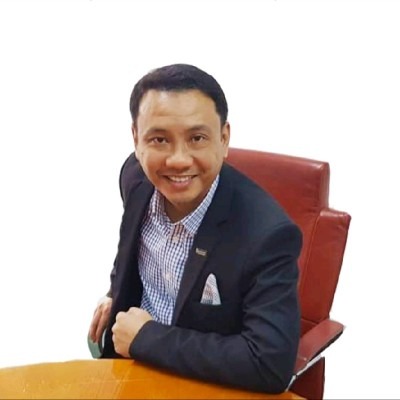
Izham Ab Wahab leads human capital at Bank Simpanan Nasional (BSN), one of Malaysia’s most important development finance institutions — where culture and governance must move together. With 20+ years in HR, he has built strategic muscle across major organisations, including senior group human capital roles at DRB-HICOM and MMC Corporation.
Moreover, his work consistently points to the fundamentals that actually matter: talent pipelines, total rewards, engagement, and organisational alignment. Furthermore, he frames HR as a lever for mission delivery — not just internal efficiency. In short, Izham is a strong voice for leaders who want a people strategy that holds up under scrutiny.
Nadzrah Yusof
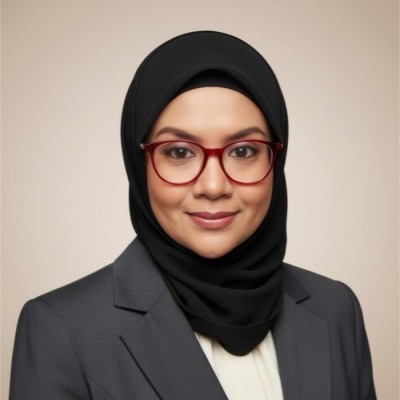
Nadzrah Yusof brings something rare: a practitioner’s understanding of Malaysia’s workplace system from the enforcement side. With a PhD in Organisational Behaviour and 20+ years across HR, IR, and ER, she previously served as Assistant Director of Labour at Malaysia’s Ministry of Human Resources — handling labour enforcement, inspections, union dynamics, and dispute realities most companies only see when things go wrong.
Moreover, although her experience currently shows retirement, she remains actively engaged in Malaysia’s workplace discourse, translating complex labour realities into practical insight. Furthermore, she grounds her authority in lived cases, not generic policy talk. Ultimately, Nadzrah is a Top Voice for organisations that want to build workplaces that are fair, compliant, and resilient — before conflict escalates.
Khim Tan
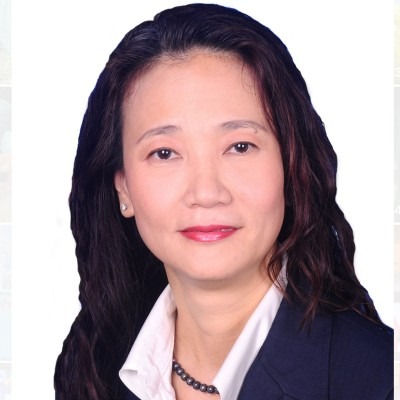
Khim Tan is a future-of-work strategist with boardroom ambition and CHRO credibility. A former Group Chief Human Resource Officer at Alliance Bank, she has led M&A integration, culture change, and HR digital transformation — the kind of work where leaders are tested, not celebrated.
Beyond the corporate role, she is an HR, AI & leadership trainer, executive coach, and a PhD candidate researching AI adoption and innovative work performance. This combination gives her a grounded, evidence-based lens on what workforce transformation will actually require — not just what trends claim.
Her board-ready pathway, including Deloitte’s Board-Ready Women programme and the 30% Club pipeline, further positions her as a strong governance voice. In short, Khim is the kind of leader who pushes HR beyond transactional delivery — into strategy, technology, and leadership capability building.
The People Advantage: Why These Voices Will Shape Malaysia’s Next Decade
The Top 10 Voices in HR, Leadership & People Strategy in Malaysia (2026) matter because they actively influence the decisions that shape companies from the inside out — determining who gets hired, developed, trusted, and rewarded.
Moreover, as AI adoption accelerates across the region and businesses rebuild their models, these leaders prove that transformation fails without intentional workforce design and the courage to lead. Furthermore, they represent the full system: national talent development, enterprise governance, global HR operations, union realities, and digital-first culture building.
So what can we expect next? Bolder organisational redesign, sharper conversations about fairness and productivity, and more leaders treating people strategy as a competitive weapon — not a support function.
Highlights
Read the Chinese article here.