



Mental health counselling is still a relatively new profession in Myanmar. As demand for support grows, developing the field requires more than simply expanding access to counselling.
It also means establishing professional standards, creating opportunities for counsellors to learn from one another, building public understanding of mental health, and helping counsellors turn their skills into sustainable careers.
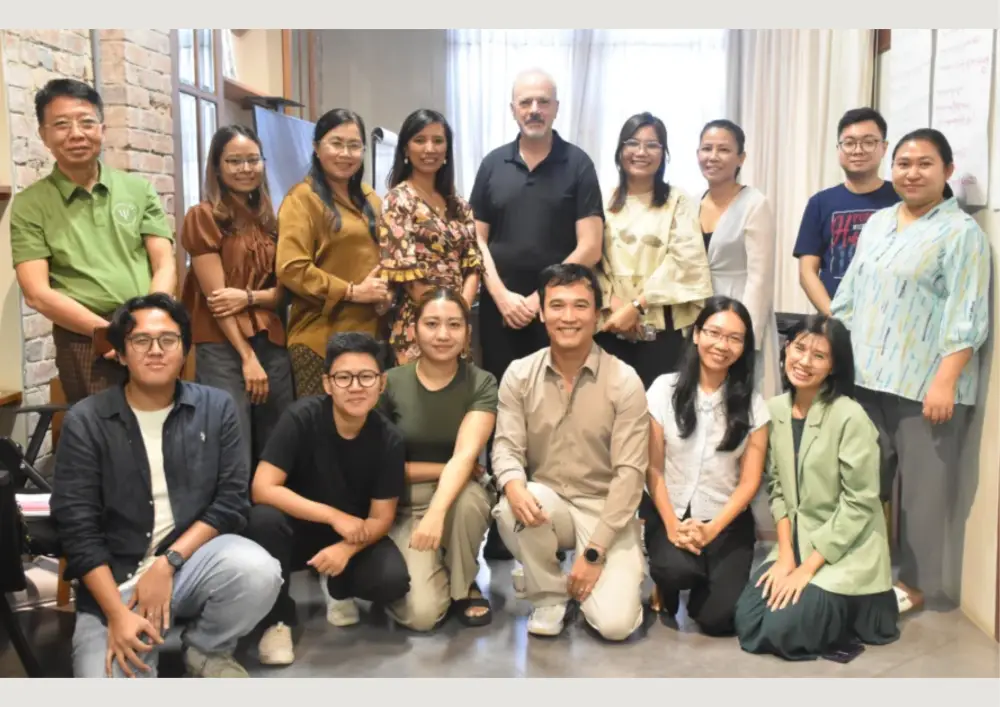
That is the challenge Myanmar Professional Counsellor is working to address. Its community of around 130 counsellors provides individual counselling, preventive workshops, and advocacy, collectively reaching an estimated 4,000 people in Myanmar each month, both within the country and overseas.
Behind those numbers is a bigger ambition: to build the professional foundation that allows safe, effective counselling to grow in Myanmar.
Highlights
Building a Profession That Is Still New to Myanmar
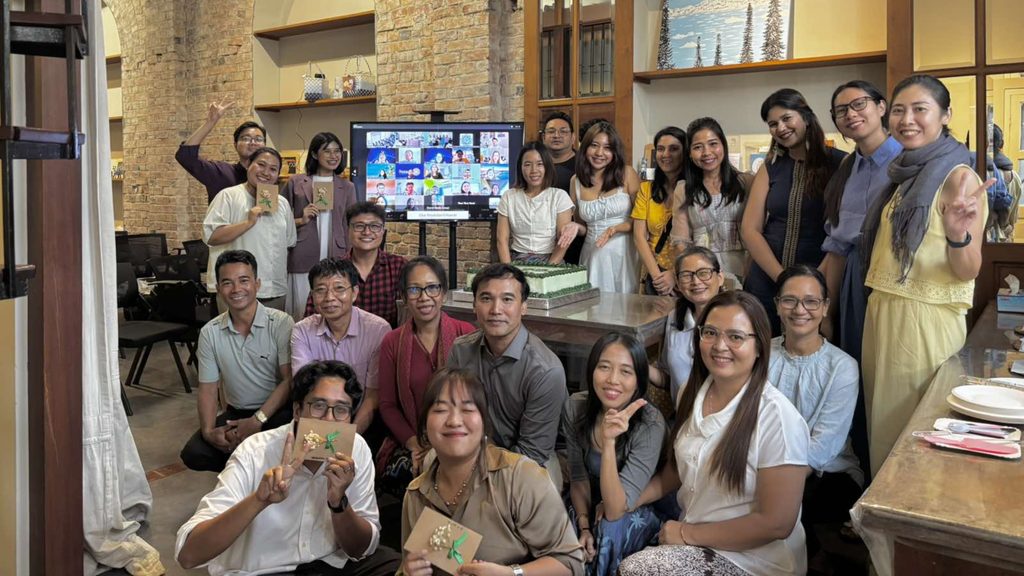
Myanmar Professional Counsellor was created around a fundamental challenge: mental health counselling remains a relatively new profession in the country.
Counsellors needed a space to meet and learn from one another, but the organisation saw a need for something broader as well. That included developing a Myanmar accreditation system for counsellors, creating a website where the public could better understand counselling and mental health, and establishing quality standards across the field.
Today, the community is centred around ethical practice, professional responsibility, and ongoing learning, to help counsellors develop safe and effective services for individuals, families, and communities. Its members provide individual counselling, preventive workshops, and advocacy.
Together, Myanmar Professional Counsellor estimates that they provide a listening ear and quality mental health support to around 4,000 people in Myanmar every month.
When a Safe Space Matters After a Crisis
The impact of counselling can be difficult to illustrate through individual stories. Client confidentiality means Myanmar Professional Counsellor deliberately does not share many of the personal experiences its members encounter.
But some examples demonstrate why creating safe spaces for people to express their emotions matters.
Following the earthquake that hit Mandalay in March 2025, the organisation heard several stories from counsellors supporting affected children.
Some children had developed a fear of being indoors. Others were afraid to go to sleep.
Counsellors worked with them to overcome those fears, providing a space where they could express their emotions without judgement.
Myanmar Professional Counsellor describes its members as listeners who help clients reflect on and work through mental health issues — an approach that becomes particularly significant when people are dealing with experiences such as trauma, depression, or anxiety.
The Challenge Is Not Only Providing Counselling — It Is Getting People to Seek It
Even as Myanmar’s counselling profession develops, one major obstacle remains: mental health stigma.
Myanmar Professional Counsellor identifies awareness-raising as one of its biggest challenges. According to the organisation, many young people turn to harmful coping mechanisms, including alcohol or drug abuse, to soften the pain of depression, trauma, or anxiety rather than seeking support from a counsellor.
Addressing that stigma therefore goes hand in hand with developing the profession itself.
Building stronger counselling services matters, but so does creating an environment in which people understand what counselling is and feel able to seek support.
Counselling Skills Are Only One Part of Building a Sustainable Practice
For young counsellors entering the profession, another challenge emerges once they have developed the technical skills to counsel others: how do they turn those skills into a sustainable career?
Myanmar Professional Counsellor sees Pathway and Solve for Change as supporting different stages of that journey. Pathway helps counsellors strengthen their technical counselling skills, while Solve for Change can help them develop the entrepreneurial and practical skills needed to build sustainable practices.
“All young counsellors in Myanmar are just starting in their profession, and Pathway gives them support on the technical side — the counselling side,” the organisation shared.
But becoming a full-time counsellor can require capabilities beyond counselling itself.
“Other skills are also needed to become a good entrepreneur in the counselling industry, and Solve for Change can help counsellors develop these skills.”
This is also what Myanmar Professional Counsellor hopes to see emerge through Solve for Change: more successful Pathway counsellors opening their own practices and becoming able to work full-time as counsellors.
From 130 Counsellors to a More Sustainable Profession
Myanmar Professional Counsellor’s work highlights two challenges that need to develop alongside each other.
People need greater awareness of mental health and access to safe, professional support. At the same time, the counsellors providing that support need professional standards, technical development, and the broader skills required to sustain their work.
For Myanmar Professional Counsellor, helping more counsellors open practices and make counselling their full-time profession could allow that support to reach further.
Its network may already provide an estimated 4,000 people each month with a listening ear and mental health support. The longer-term opportunity is to strengthen the profession behind that reach — so more counsellors can build sustainable careers while more Myanmar people can access the support they need.
Highlights
Read the Chinese article here.
Related posts:
 A School Project Grew Into a Refugee Youth-Led Organisation — And Won Top Honours Globally
 Shreya Jajoo: Rethinking Hustle Culture in Asia’s Startup Scene
 Stripped of Education and Work, Afghan Women are Reclaiming Agency Through Technology
 From Learning to Livelihood: 55 Youth and Persons with Disabilities Turn Sustainable Ideas into Businesses in Lombok