When the Afghan regime changed, it stripped Afghan women of their right to education and work, the world largely responded with pity or silence. But through a quiet, radical force — code — some women chose to fight back.
At the center of that resistance is the Afghan Women in Tech Leadership (AWTL) program — a global initiative launched by Aseel to equip Afghan women with hands-on technical skills, mentorship, and leadership development. Since its launch, AWTL has supported 35 women across three cohorts, with a near-term goal of reaching 50 fellows.
In this piece, we spotlight two of those fellows — offering a glimpse into the lived experience, resilience, and leadership emerging from the program.
The AWTL fellowship is one part of a broader movement that sees women not just as ‘beneficiaries,’ but as active builders — leaders capable of shaping the future of technology and society under the harshest constraints. In a context where education and employment have been stripped away, AWTL aims to restore something more enduring: agency.
Afghan women aren’t waiting to be saved — many are already building under difficult conditions. AWTL is one initiative helping amplify their efforts.
Highlights
From Silence to Software: Sana Tameem’s Journey
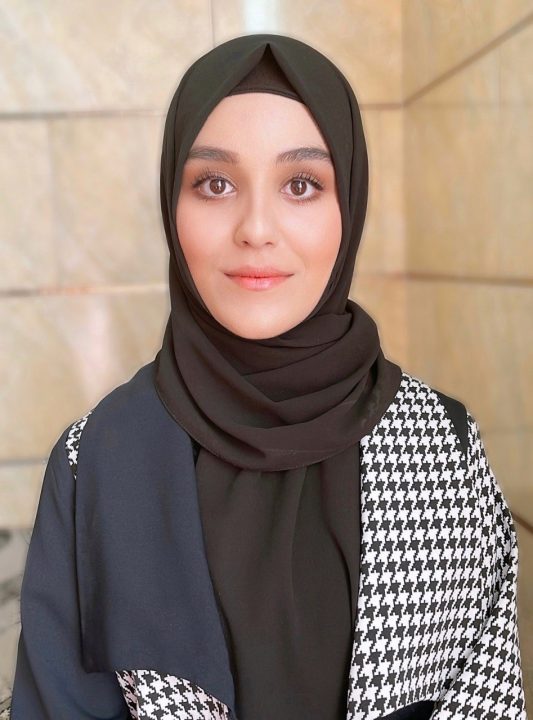
When women were banned from universities, Sana Tameem lost more than just her education. “It felt like my identity was erased,” she recalls. “Education was my structure, my future. Without it, I became quiet. Depressed. Directionless.”
She responded the only way she could: by trying to work. Over the next few months, she sent out more than 500 job applications — most without any reply. “Each rejection was a reminder that the world didn’t see me.”
Still, she kept learning. “I told myself — they can block my degree, but not my curiosity.” Coding became her form of resistance. She built projects. Volunteered. Refused to let her skills atrophy in silence. “Every bug I solved reminded me I still had value — even if no one else recognized it.”
When she joined AWTL, it wasn’t just a skills upgrade — it was a turning point. “The fellowship gave me back a sense of purpose,” she says. “It wasn’t just about the tech. It was about being in a space where people believed in me.”
Today, Sana is a professional software developer contributing to Afghan Relief, while mentoring other women, hosting free learning sessions, and working on tools in local languages to expand digital access.
“Sometimes, all someone needs is to hear, ‘You can do this — and I’ll help you,’” she says. “Now I want to be that voice for others.”
Mozhdeh Marvi: Teaching, Data, and the Power of Access
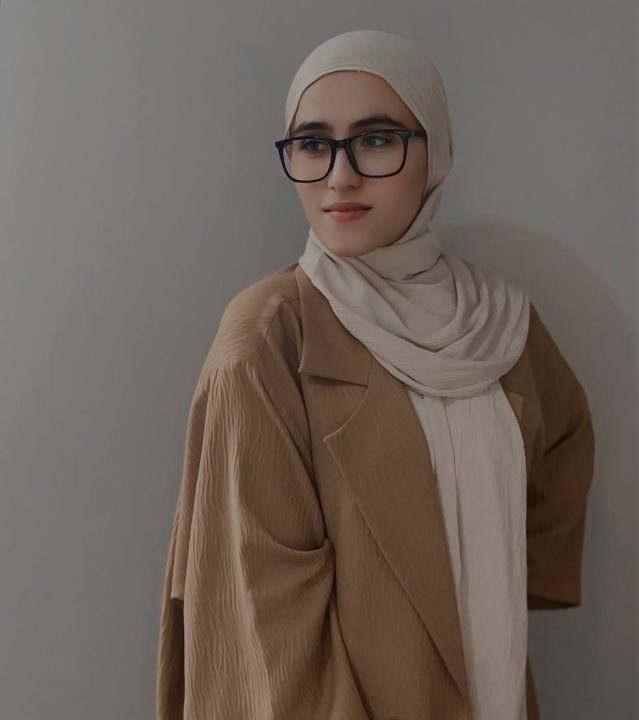
Before joining AWTL, Mozhdeh Marvi was already teaching Python and data analysis to Afghan girls blocked from formal education. “They were still hungry to learn,” she says. “I saw that, and I knew I had to help.”
For Mozhdeh, data isn’t just a technical field — it’s a tool for visibility and impact. She recalls helping her team build dashboards to improve decision-making across campaigns, donations, and customer support. “That work helped us ask better questions — and act faster. It felt like the numbers had meaning.”
AWTL gave her a deeper runway — connecting her skills to mentorship, community, and live projects. But like Sana, she sees her work as only one part of a bigger mission: building a sustainable tech pathway for other women.
“My long-term goal is a self-sustaining community,” she says. “A place where Afghan women can learn, collaborate, and work — no gatekeepers.”
Built to Lead, Not to Survive
In a world filled with well-meaning programs, what distinguishes AWTL is its focus on Afghan women who don’t need to be rescued — they need to be invested in.
This belief comes from its founder, Nasrat Khalid, a technologist and founder of Aseel. Originally built as a humanitarian platform, Aseel has expanded to support long-term, tech-enabled development — with AWTL as a flagship program.
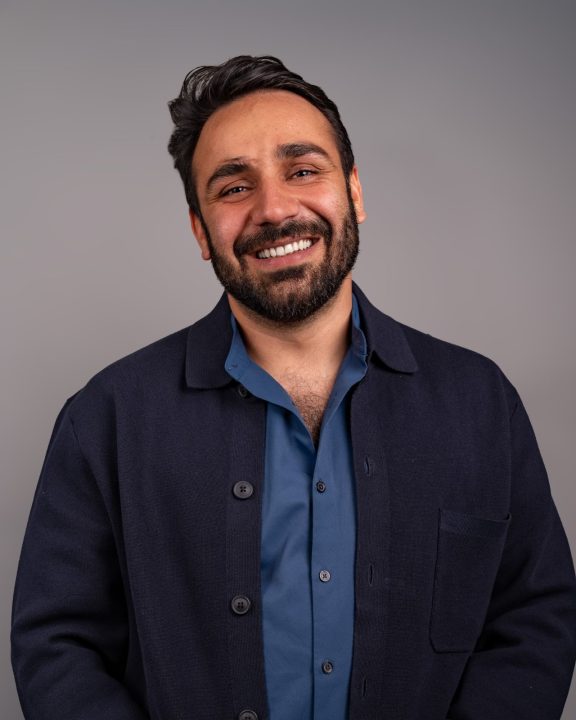
“Too often, programs focus only on survival,” Nasrat explains. “We focus on leadership. We design for generational ripple effects. One visible success can inspire hundreds more.”
AWTL is built around three key pillars:
- Technical credibility: Fellows work on real projects with mission-aligned organizations.
- Leadership mindset: Training goes beyond code — it includes communication, confidence, and vision for future tech leaders.
- Network power: Graduates stay connected through a growing ecosystem of mentors, partners, and alumni.
The model aims to build not only careers, but also long-term community capacity — for individuals, for communities, and for a future where talent isn’t wasted by circumstance.
Global Patterns, Local Power
Around the world — from Iran to Myanmar — women are using technology to navigate and resist shrinking civic space. In regions where access to education or public life is restricted, remote work, open-source platforms, and digital tools are emerging as lifelines. Programs like AWTL represent one node in a growing ecosystem of initiatives empowering women to lead from behind firewalls and political boundaries.
Final Thoughts: This Is the Future, Not a Footnote
AWTL is not a silver bullet — and it doesn’t try to be. But it offers something critical: a working model for how to unlock leadership in places where most systems are breaking down.
The women profiled here aren’t exceptions. They’re early signals of a broader shift — a generation using code to write its own future, even when denied the classroom, the office, or the vote.
These stories highlight what’s possible when talent is supported, even in the most difficult environments — and start seeing it as a constant, waiting to be unlocked.
The question isn’t whether they’re ready. It’s whether the world is paying attention.
Highlights
Read the Chinese article here.