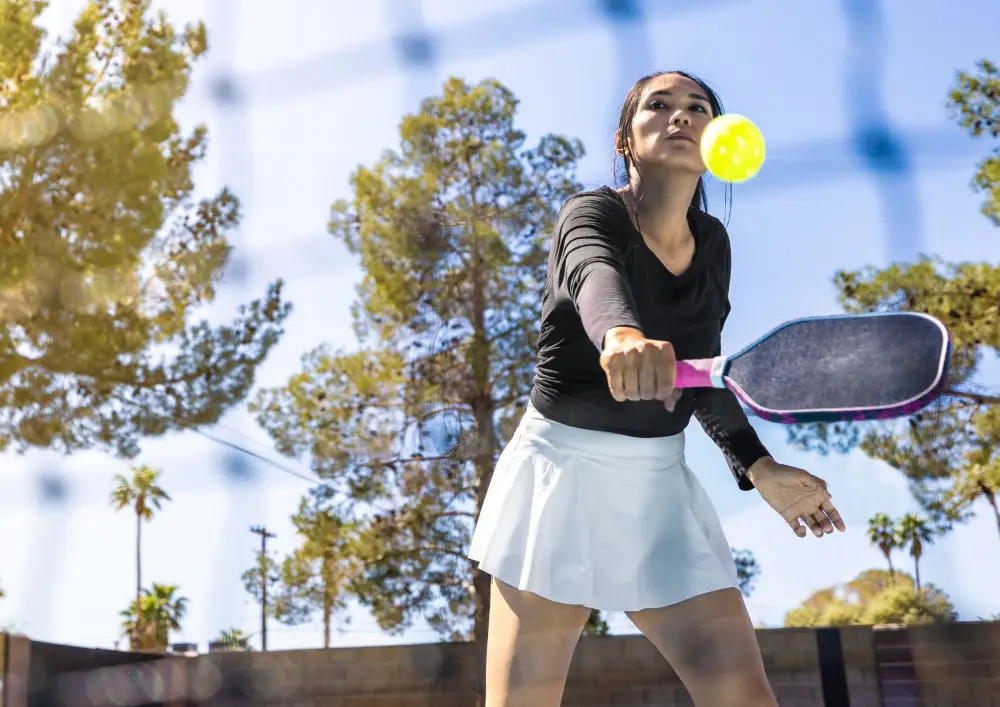
For decades, “sports” conjured up images of competition, skill, and athleticism. But today, sport isn’t just about winning or losing — it’s about connection, culture, and community. In Southeast Asia, the rapid rise of padel in Jakarta and pickleball in Kuala Lumpur signals a new era in how people play, socialize, and spend.
This is the age of social sports — and it’s changing the landscape of urban leisure, one court at a time.
Highlights
- From Competition to Connection: The Rise of Social-Driven Play
- Jakarta’s Padel Scene: Where Fitness Meets Prestige
- Kuala Lumpur’s Pickleball Surge: Scaling Through Inclusion
- Two Cities, Two Strategies — But One Commercial Opportunity
- Rethinking Leisure Real Estate: Courts as Community Infrastructure
- Not Just a Trend — A Strategic Entry Point into Urban Lifestyles
- Who Builds Belonging Wins the Market
From Competition to Connection: The Rise of Social-Driven Play
Social sports are organized around fun, inclusivity, and participation over performance. Defined by platforms like Clearinghouse as informal, skill-optional activities that emphasize enjoyment, fitness, and social interaction, they attract individuals who might shy away from traditional competitive sports.
The appeal is clear: no experience necessary, low pressure, and high social engagement. For brands and operators, this opens doors to new business models centered around community, lifestyle, and accessibility — not just athletics.
Jakarta’s Padel Scene: Where Fitness Meets Prestige
Jakarta’s padel scene has exploded in popularity. As reported by the Manual, more than 200 new courts are expected to open this year — a sevenfold increase from the year prior.
Mornings now begin on the court for working professionals in their 20s to 40s. Players arrive in sleek sportswear, rackets in hand, energized not by tournament ambitions but by the social buzz. Post-match? Many skip the commute home to linger over coffee and conversation. The court has become a new third place — equal parts wellness, networking, and status symbol.
Padel’s rising cachet is undeniable. Celebrity players, Instagram-friendly venues, and designer rackets have pushed the sport into lifestyle territory. Yet prestige comes with a price: IDR 400,000 (approx. USD 25) per hour for court rentals, rackets costing IDR 1–7 million, and premium private coaching. While costs are high, shared bookings and rental options keep it semi-accessible to aspirational players.
What’s driving this boom? In part, it’s nightlife in retreat. Post-pandemic, Jakarta’s club scene never fully recovered. Padel stepped into the void, offering the same energy — without the hangover. As one operator put it, “Jakarta has traded neon-lit nights for glass-walled courts.”
Kuala Lumpur’s Pickleball Surge: Scaling Through Inclusion
In contrast, Kuala Lumpur’s sports revolution is fueled by accessibility. While padel leans premium, pickleball is thriving on volume and inclusivity.
Once a niche hobby, pickleball is now Malaysia’s fastest-growing sport. According to PickleFox and The Star, from just six venues in early 2024, the country now boasts over 2,500 courts, 10,000+ registered players, and a growing tournament circuit supported by local councils and private developers.
Kuala Lumpur ranks second globally in DUPR (Dynamic Universal Pickleball Rating) registrations, trailing only Austin, Texas. Yet despite soaring demand and rising rental fees (RM60–100/hour), efforts are underway to keep courts affordable — with targets around RM20–25/hour for most community locations.
The Malaysian Pickleball Association has championed efforts to structure the sport: formalizing rules, expanding school programs, and launching digital platforms to manage play. The community is also growing more diverse. Once dominated by Malaysian Chinese players, it now includes Muslim players inspired by figures like Cik Manggis and actor Hairul.
This isn’t a flash trend — it’s a movement.
Two Cities, Two Strategies — But One Commercial Opportunity
While their formats differ, the business logic is aligned: both cities are capitalizing on sports as lifestyle infrastructure.
In Jakarta, operators generate revenue through a high-yield model — premium memberships, rooftop venues, F&B partnerships, and branded retail. Courts are often located in malls or high-end developments, like Padel;Parc at Livin’ and Agora Mall, combining luxury with visibility.
Kuala Lumpur’s model is leaner. Courts are built on repurposed futsal or tennis spaces, encouraging broader adoption in schools and neighborhoods. Volume drives revenue. Franchise models are emerging, and brands are investing in repeat engagement, not just exclusivity.
Both cities are also innovating around user experience:
- Subscription-based clubs
- Tiered memberships and loyalty programs
- Cafes integrated with courts
- Centralized booking apps and coaching platforms
- Retail from elite rackets to starter kits
This convergence of sport, leisure, and commerce is blurring the lines between play and lifestyle — and creating powerful new ecosystems.
Rethinking Leisure Real Estate: Courts as Community Infrastructure
The growth of social sports is forcing a rethink of how cities design and monetize urban space. Courts are no longer just athletic zones — they are hybrid venues blending wellness, retail, and networking.
Padel in Jakarta shows the potential of high-yield lifestyle venues. Pickleball in Kuala Lumpur proves that lower-cost models can still scale commercially and socially. Both represent ways to unlock value in underutilized spaces — parking rooftops, vacant halls, repurposed tennis courts — while activating communities.
Not Just a Trend — A Strategic Entry Point into Urban Lifestyles
Social sports aren’t a passing craze. They represent a structural shift in how Southeast Asia’s rising middle class chooses to spend time, build networks, and engage with brands.
What’s more, they offer a strategic point of entry into broader lifestyle ecosystems — from wellness and retail to events and education.
For investors, operators, and developers, this is more than a leisure trend. It’s a way to future-proof real estate, build community equity, and differentiate urban offerings.
Who Builds Belonging Wins the Market
“Social sports are becoming that ‘third place’ — outside of work and home — where people build friendships, feel supported, and belong,” said Brenda Tan, a Singapore-based emotional agility coach.
Post-pandemic, that space for meaningful connection has become more vital — especially for younger urban populations looking for healthier ways to socialize and recharge.
The question is no longer if social sports will spread across Southeast Asia — it’s which cities will adapt fastest, and who will build the most engaging ecosystems around them.
It could be Bangkok. It could be Singapore. It could be Manila. But the playbook is already being written — and the game is very much on.
Editor’s Note:
This article was contributed by Finfin Nataly, an Editorial Fellow at NewInAsia. She holds a background in Global Studies and Communication from Monash University and is currently pursuing postgraduate studies in Strategic and Defence Studies at the University of Malaya.
In this piece, she explores how padel and pickleball — two fast-rising racquet sports — are transforming urban leisure across Southeast Asia, reshaping not just how people play, but how cities and communities connect.
To pitch your story or share reflections on sport, youth culture, or the evolving experience economy in Asia, contact the NewInAsia editorial team.
Highlights
- From Competition to Connection: The Rise of Social-Driven Play
- Jakarta’s Padel Scene: Where Fitness Meets Prestige
- Kuala Lumpur’s Pickleball Surge: Scaling Through Inclusion
- Two Cities, Two Strategies — But One Commercial Opportunity
- Rethinking Leisure Real Estate: Courts as Community Infrastructure
- Not Just a Trend — A Strategic Entry Point into Urban Lifestyles
- Who Builds Belonging Wins the Market
Read the Chinese article here.