The sustainability sector is growing fast, yet professionals and startups struggle to break through. Many changemakers work in silos, lacking connections and resources. Job seekers passionate about sustainability face another challenge—where do they start? Unlike traditional careers, sustainability roles are less defined, making opportunities harder to find.
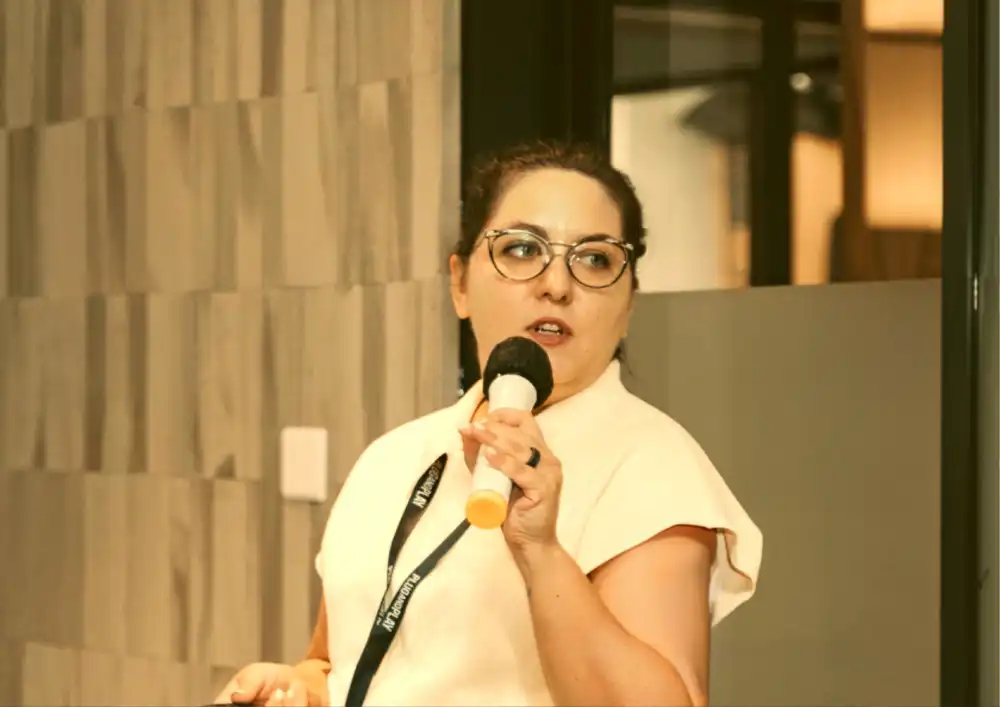
Without the right networks, the path to impact can feel unclear. Many professionals must carve out their own roles, navigating an evolving industry with little guidance. This is where Skilledin Green steps in. Founded by Natasha Syed, the platform connects sustainability professionals, startups, and organizations to build a thriving green economy.
Skilledin Green blends gamification, mentorship, and education to make sustainability careers accessible and engaging. But how did this idea take shape? And what can entrepreneurs learn from Natasha’s journey in building a mission-driven platform from the ground up?
Key Takeaways:
- Be open to change – Natasha Syed pivoted Skilledin Green from an enterprise tool to a thriving sustainability platform by listening to the market.
- Make learning engaging – Gamification helps professionals stay motivated, making it easier to build a career in sustainability.
- Collaboration creates impact – Connecting professionals, startups, and organizations is key to driving real change in the green economy.
The Journey of Skilledin Green
Q: What was the “aha” moment that led to Skilledin Green?
A: It’s funny how some of the best ideas come from unexpected turns in the journey. Skilledin Green wasn’t born out of a single, lightning-strike moment—it was more like a series of small realizations that slowly came together, like pieces of a puzzle.
We started out with a vision to tackle skill gaps in the corporate world. Our first product was a skill gap analysis tool for enterprises, and we were all in. But reality hit hard. As a startup in Singapore, we quickly learned that enterprise software wasn’t the right first move for us. The market was tough, the sales cycles were long, and we were burning energy trying to push something that just wasn’t gaining traction.
Rather than doubling down on what wasn’t working, we decided to take a step back and asked ourselves: What if we tried something different? At that moment, the idea of pivoting to a B2C model emerged. With this shift in mind, we wanted to build something more accessible, something that could reach people directly. To differentiate ourselves further, we decided to focus on a niche that was close to our hearts: Sustainability.
What happened next was unexpected. Skilledin Green, which started as a side project, suddenly took center stage. The way we structured the product—with sustainability at its core—resonated with people in a way we hadn’t anticipated. Users started reaching out, asking for more features, and sharing how the platform was helping them.
But the real “aha” moment came when we noticed something new: registrations from people we didn’t even know. We weren’t chasing users anymore—they were coming to us. That shift—from pushing to pull—showed us we had built something people truly wanted. That was enough to keep us going.
Q: Skilledin Green leverages gamification to empower talent in the Green Economy. Can you share the inspiration behind this approach?
A: Let’s face it—adult learning can be boring. We want to grow our careers, but we don’t want to spend hours on extracurriculars or jump through hoops to attend in-person courses, especially during work hours. We realized there was a gap: high-quality, on-demand professional upskilling that fits into busy schedules. The ideal solution? A platform that delivers relevant knowledge while giving users the freedom to learn at their own pace, when their attention is at its peak. But here’s the catch—not everyone is naturally motivated to learn independently. That’s where gamification came in. We wanted to make the process engaging, rewarding, and even a little fun.
We applied gamification across the entire career development journey—from upskilling and networking to setting career goals and even landing jobs. Users earn points, unlock badges, and track their progress along a “Career Trajectory.” It’s not just about learning – it’s about creating a sense of achievement and momentum. To make it even more immersive, we embraced a space theme, reflected in our logo, platform design, and even the names of specific spaces (no pun intended!). While there’s a personal touch to it (I dreamed of being an astronaut as a child), the deeper message is about perspective. The view of Earth from space reminds us that sustainability is a global mission—one that requires all of us to think bigger and act boldly.
Ultimately, it’s about making sustainability career development not just accessible, but truly inspiring. By integrating gamification, we keep users motivated, ensuring they stay engaged in their growth. At the same time, the space theme serves as a constant reminder of the bigger picture: our planet needs us. Every small step we take matters, bringing us closer to a more sustainable future.
Q: What challenges did you face in connecting sustainability professionals, startups, and organizations, and how did you overcome them?
A: One of the biggest challenges we’ve faced—and continue to navigate—is the classic chicken-and-egg dilemma inherent to building a marketplace. To attract employers and organizations, you need a strong pool of job seekers. But to draw job seekers, you need compelling job opportunities. It’s a Catch-22 that requires careful strategy and patience.
To address this, we decided to focus first on creating value for sustainability professionals. We built a suite of free features designed to engage and retain talent on the platform. These include tools for upskilling, networking, and career development, all tailored to the needs of professionals in the green economy. By offering resources that help users grow their careers and connect with like-minded individuals, we’ve been able to attract and retain a growing community of sustainability enthusiasts. This approach allows us to build trust and establish a critical mass on one side of the marketplace.
With a solid base of engaged professionals, we’re now better positioned to attract employers and organizations. We’re actively working to onboard startups and companies looking for sustainability talent, showcasing the value of our platform as a hub for top-tier candidates. While it’s a gradual process, this phased approach—starting with professionals and expanding to employers—has allowed us to build momentum and create a sustainable path forward. It’s all about laying the groundwork step by step, ensuring both sides of the marketplace grow in tandem.
Q: What were some milestones or breakthroughs you celebrated with Skilledin Green?
A: This year has already been full of exciting developments for Skilledin Green. One of our proudest achievements is receiving accreditation from the Global Accreditation Council (GAC) in the Netherlands, recognizing the quality of our online education. This accreditation opens doors to collaborations with accredited institutions across Europe, including universities. It allows students to stack learning credits from different institutions, creating a flexible and interconnected educational ecosystem. This milestone validates our platform’s quality and strengthens our position as a trusted resource for sustainability education.
Another highlight we’re eagerly anticipating is our participation in ChangeNow, one of the world’s largest sustainability and impact innovation events in Paris. Exhibiting at ChangeNow is a huge opportunity to showcase Skilledin Green to a global audience—professionals, organizations, and change-makers passionate about sustainability. We’re excited to connect with like-minded individuals and expand our reach across Europe and beyond.
These milestones—earning accreditation and preparing for ChangeNow—mark significant steps forward in our mission to empower sustainability talent worldwide. They reflect our commitment to quality, collaboration, and global impact. We’re excited to build on this momentum as we continue to grow.
Q: What is your vision for your startup’s long-term impact and growth potential?
A: This year, our focus is on expanding into the European market, with a series of strategic activities to strengthen our presence there. At the same time, we’re taking our first steps into the Emirates, beginning with market discovery in April. The Emirates will serve as a launchpad into the broader GCC region, a market with immense potential for our offerings. By establishing a foothold in these key regions, we aim to build a global platform connecting sustainability talent, startups, and organizations worldwide.
On the product side, we’ve recently launched two exciting initiatives: the Green Career Mentorship Program and the Impact Founder Mentorships. These programs allow us to engage a new stakeholder group—startups. We believe entrepreneurs drive the innovative ideas needed to tackle sustainability challenges. This year, we’re rolling out new features and tools to help impact-driven founders grow their ventures. Later in the year, we’ll introduce resources to connect them with relevant investors, bridging the gap between groundbreaking ideas and capital.
Looking further ahead, we’re building a library of 5-minute video insights from accomplished founders, sharing learnings, mistakes, and advice. These bite-sized lessons will help early-stage entrepreneurs avoid common pitfalls and accelerate growth.
Our long-term vision is to create a thriving ecosystem where sustainability professionals, startups, and investors collaborate to drive meaningful change. By empowering talent, supporting innovation, and fostering connections, Skilledin Green can play a pivotal role in shaping a more sustainable future.
The Future of Green Careers Starts Now
As Skilledin Green continues expanding into Europe and the GCC region, its impact is only set to grow. Natasha’s journey highlights a key lesson for entrepreneurs and changemakers—adaptability is essential. What began as a skill gap analysis tool for enterprises evolved into a thriving sustainability career platform, not through rigid planning, but through listening to the market and embracing change.
Skilledin Green’s success wasn’t built on following a predetermined path; it was shaped by understanding the challenges of professionals, startups, and organizations in the sustainability space and creating solutions that truly meet their needs.
For those navigating their own journeys—whether as sustainability professionals, founders, or impact-driven leaders—Natasha’s story is a testament to the power of innovation, persistence, and collaboration. Making a difference isn’t just about having a great idea; it’s about being willing to pivot, iterate, and build something that resonates with people. As Skilledin Green redefines the way we approach careers in sustainability, it poses an important question to all of us: How will you turn your passion into action?
Read the article in Chinese here.