Many professionals across Asia know the feeling all too well—being in a room where your expertise matters, but your voice trembles. The pressure to present with clarity, authority, and heart is overwhelming, especially in cultures where public speaking isn’t always learned from a young age. For women and immigrant professionals, these challenges are often multiplied—navigating identity, confidence, and communication in a fast-paced global workplace.
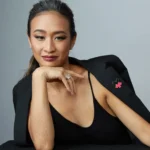
Able Wanamakok knows this journey well—not just as a TV presenter or emcee, but as someone who once faced cultural shifts and self-doubt. In this feature, the award-winning founder of Find Your Voice Asia shares how she turned her story into a mission. She now helps others let go of fear and speak with authenticity. Whether you’re a founder, leader, or someone who feels unheard, her insights will reshape how you see your voice.
The Roots of Find Your Voice Asia
Q: Why did you start Find Your Voice Asia, and how does it help professionals become better speakers?
A: Thank you so much for asking this question which means a lot. The story originates from me finding my own voice.
Coming into my own as a person being brought up multiculturally, having struggled to find my place as an immigrant (from Hong Kong to Ohio, U.S.A. at age 10), and having lacked confidence due to the need to adapt to a new culture, society, and language developed me into a well-rounded individual whose sensitivity and background allow me now – to help guide professionals to become more confident in how they see themselves, how to connect better with others as well as how to communicate to better relationships.
Q: How has your experience in broadcasting influenced your coaching style?
A: My coaching style is personable just like my character, personality and presence on stage/in front of the camera. While coaching, I take a more in-depth approach as I need to understand my client’s journey.
My broadcasting experience, which has a more entertaining approach of speaking with the masses does not influence my coaching if it’s one-on-one but it does influence when I coach/train with a larger group as I tend to entertain while I coach.
Q: What are the biggest public speaking challenges business leaders face, and how do you help them?
A: The top 3 biggest challenge most professionals I see faces is firstly being too much in their heads. They focus on sharing their knowledge rather than connecting their material in a simplified manner that the audience can understand.
Second, their nerves get to them which makes them more nervous and that affects the audience’s perception of them and their presentation’s delivery.
Third, engagement and connection is not often used by professionals who are in middle or senior management (due to lack of training or the chance to present). They focus too much on the material that they go over time, speak too fast or too slow and lose their authenticity as they try too hard to impress.
How I help them depends on each group or individual’s goals/needs. Each person has their own strengths and challenges and I gauge how I can help them based on our first or second session. Communications or presentation training takes multi-sessions as it takes time to understand and improve. I tend to work on what the person or group fears the most and share with them tools I use to help them relieve their fears. Fear arises due to inexperience or misunderstanding, when they understand more, everything always gets smoother.
Q: What key communication skills do you think every leader should have?
A: Listening skills. We think of communication as speaking/talking but when a leader has enough patience and understanding to hold space while another person speaks, it provides a sense of safety, validation, and of acceptance. At the end of the day, everyone wants to feel accepted as I have accepted who I have become. This is the key to better relationships, better community leading to a more peaceful world.
Q: What advice do you have for women who want to speak with more confidence in business?
A: See all the positives you have to offer to the world because we are all born unique with something to give. As I said to others before, “There is no other ‘Able’ in the world. I will give myself the best life I can to live an extraordinary life, not an ordinary one.”
Grow thick skin, focus only on what you can control and know being emotional can be a superpower.
Q: What’s next for Find Your Voice Asia? Any exciting plans ahead?
A: My ultimate goal is to speak worldwide as a Motivational Speaker sharing tips on how women (men too) can lead with authentic power to grow confidence, bridge the gap between the east and west and how to grow more presence in today’s fast paced world for inner peace. I am speaking with international speaking agencies now and hope to be picked up by them as one of their Top Listed Speakers.
Additionally, I hope to work more with children in schools and universities to help them grow a positive and strong mindset where they can utilize their strengths rather than focus on following the masses.
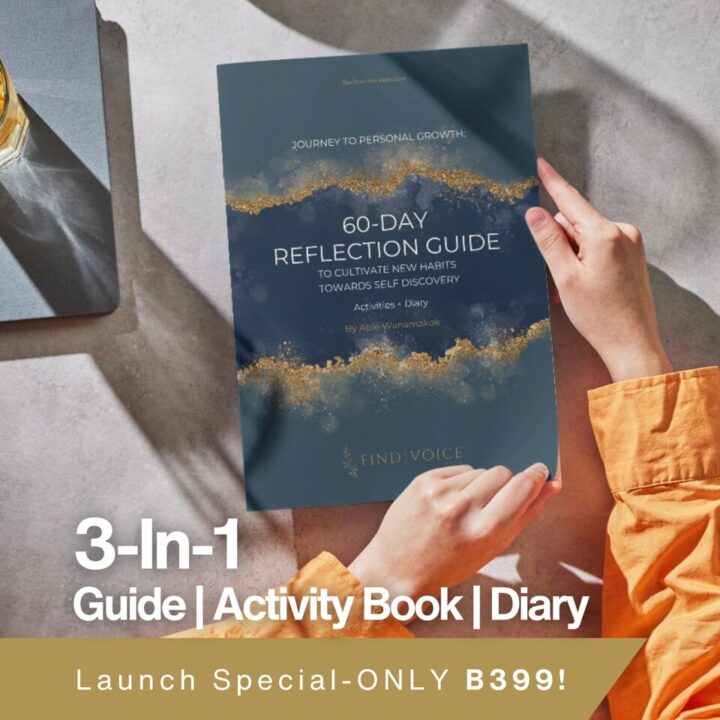
I recently launched my 60-Day Reflection Guide which is available for sale. This glossy pocket-sized guidebook will help my clients develop better habits through activities while giving them a chance for quiet reflection.
Your Voice Is Your Superpower
In many parts of Asia, professional credibility still hinges on credentials, titles, and experience. But as the modern workplace shifts, so do the traits that define impactful leadership. Able Wanamakok champions presence, empathy, and bold, authentic communication as game-changers.
Through Find Your Voice Asia, she helps leaders, students, and creatives own their voices. She shows them how to command attention and lead with confidence. Her story speaks to anyone who has doubted their worth or stayed silent. As she says, “There is no other ‘Able’ in the world.” It’s time to step up, speak out, and own the power within.
Read the article in Chinese here.