




Across the Asia Pacific, hotel construction data is becoming a critical signal — offering insight beyond what sentiment surveys or demand forecasts can reveal. Once a project enters the “in construction” phase, capital has been committed, brands have signed on, and development is in motion. It’s no longer a projection — it’s a decision backed by financing, feasibility, and belief.
This data doesn’t just show what’s being built — it maps where the region’s most confident bets lie. With over 150,000 rooms under construction across the region in 2026, the real story lies not just in the volume — but in the patterns and market logic behind the numbers.
Here are the 10 hottest hotel markets shaping the future of APAC’s hospitality sector in 2026.
Highlights
- 1. China – Still the Giant, Now Quietly Rebalancing
- 2. Vietnam – Rapid Expansion After a Strategic Pause
- 3. India – Multi-City Momentum Backed by Domestic Demand
- 4. Japan – Strategic Growth Anchored by Stability
- 5. Malaysia – Kuala Lumpur Leads, But Secondary Cities Are Rising
- 6. Thailand – A Leisure Giant Reinforcing Its Core Strengths
- 7. Australia – Balanced Growth in Cities and Coasts
- 8. Indonesia – Multi-Island Strategies for a Multi-Node Market
- 9. Philippines – Metro Manila and New Frontiers in Leisure
- 10. Singapore – Small Pipeline, Big Strategic Value
- Final Word: Where Confidence Meets Construction
1. China – Still the Giant, Now Quietly Rebalancing
2026 rooms under construction: 86,100
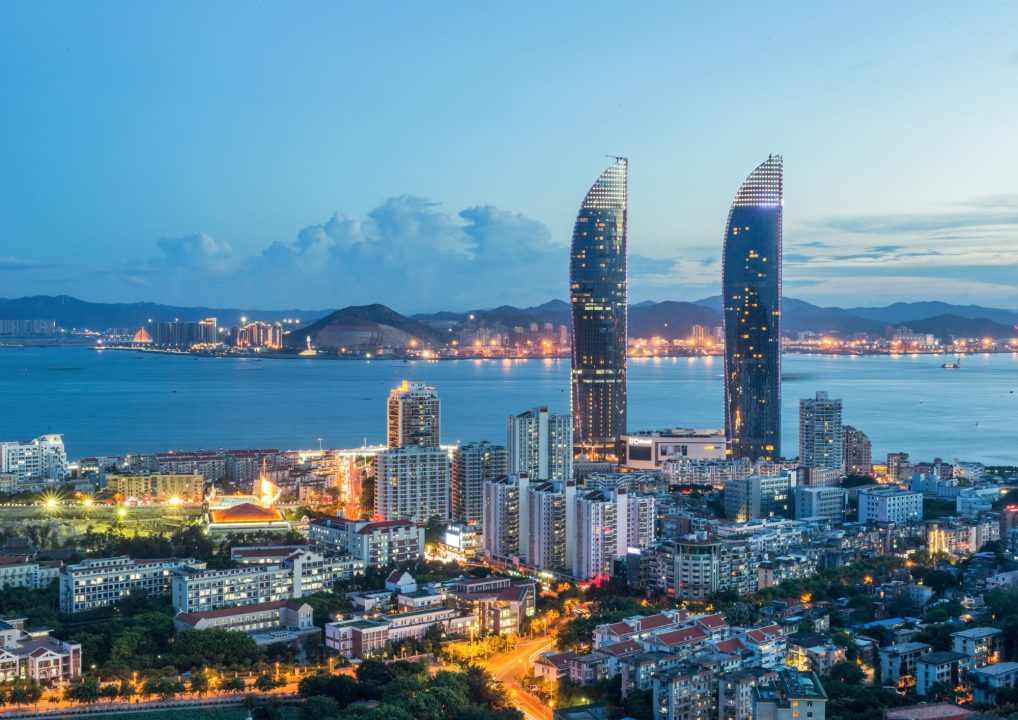
China continues to dominate the region’s hotel pipeline — even amid economic recalibration. No other market comes close in scale. But 2026 tells a more nuanced story: the growth is decentralizing.
Regional centers like Guangdong (5,829 rooms), China Northwest (5,171), Zhejiang (4,708), and Shandong (4,566) are leading the charge. While Tier-1 cities like Shanghai (4,472), Beijing (2,642), and Shenzhen (3,197) remain active, the shift to Tier-2 and Tier-3 cities — Chengdu, Xi’an, Wuhan, Nanjing, Suzhou — reflects broader trends in corporate decentralization, domestic mobility, and localized consumption.
For investors, China in 2026 is about targeted precision, not just volume. The strongest returns will likely come from cities where infrastructure, industrial clusters, and lifestyle demand converge.
2. Vietnam – Rapid Expansion After a Strategic Pause
2026 rooms under construction: 18,706
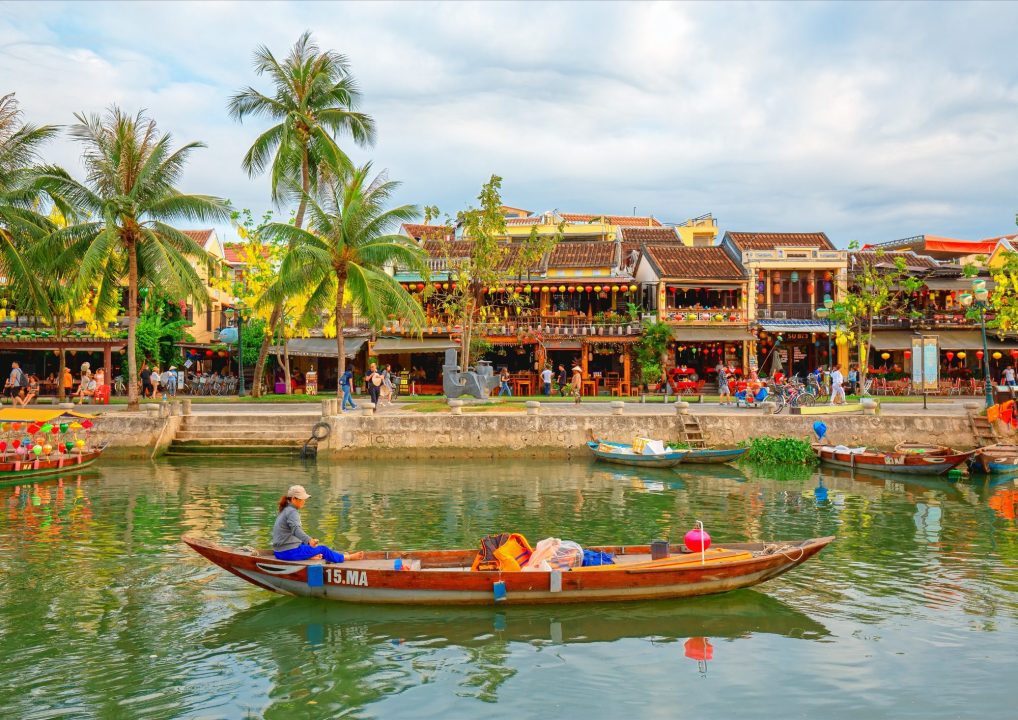
Vietnam has transitioned from emerging star to regional heavyweight — and its 2026 pipeline reflects deep operator conviction.
Coastal development has taken center stage:
- Vung Tau (4,602 rooms) is transforming on a regional scale
- Ham Thuan Nam (1,500) and Ho Tram (1,018) signal new leisure corridors
- Cam Ranh, Da Nang, Hoi An, Mui Ne, and Phu Quoc now form a tightly connected hospitality network anchored by global brands
Urban activity remains strong — especially in Hanoi (2,303) and Ho Chi Minh City (511) — but the real story is resilience. The projects moving forward in 2026 are those that survived the country’s sweeping “Blazing Furnace” anti-corruption campaign, which froze approvals and left many developments stalled.
What’s in the pipeline now is the best-filtered segment of Vietnam’s real estate sector — and hospitality is leading the rebound.
3. India – Multi-City Momentum Backed by Domestic Demand
2026 rooms under construction: 12,001
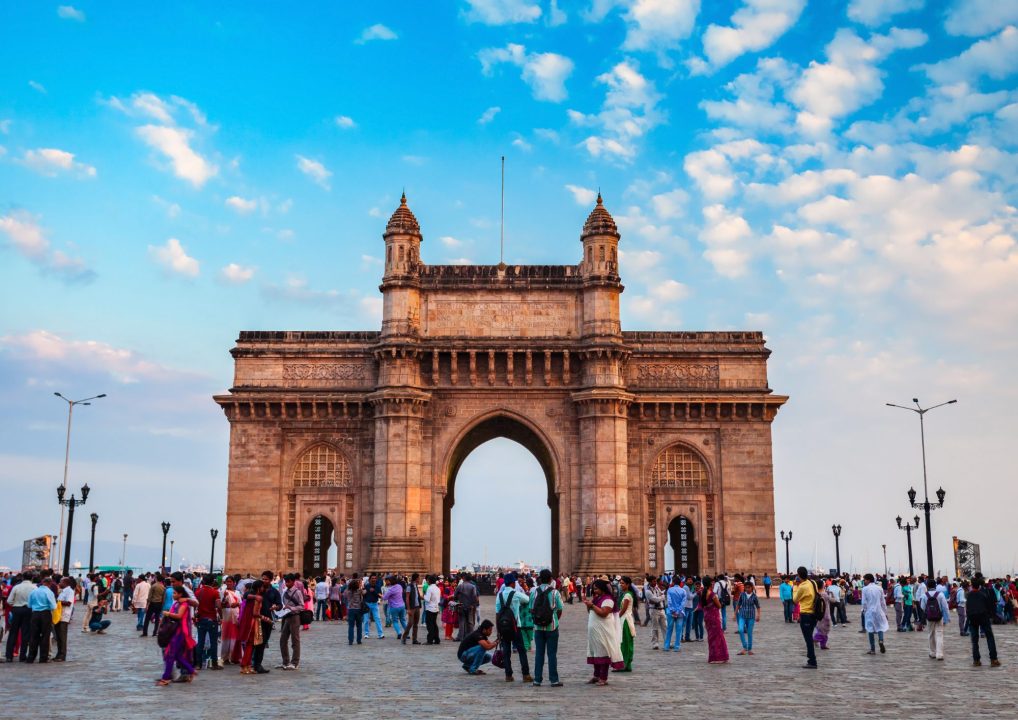
India’s development spread is wide, from commercial centers to pilgrimage cities.
Major clusters include:
- Madhya Pradesh & Maharashtra (1,924)
- Rajasthan (1,889)
- India North (1,756)
- Uttar Pradesh (1,632)
Urban hubs like Bengaluru (1,039), Gurugram (461), and Mumbai (235) are well-represented, but the diversity of destinations — from Goa to the Northeast — speaks to India’s domestic travel boom and the maturing loyalty ecosystems of local and global brands.
4. Japan – Strategic Growth Anchored by Stability
2026 rooms under construction: 7,614
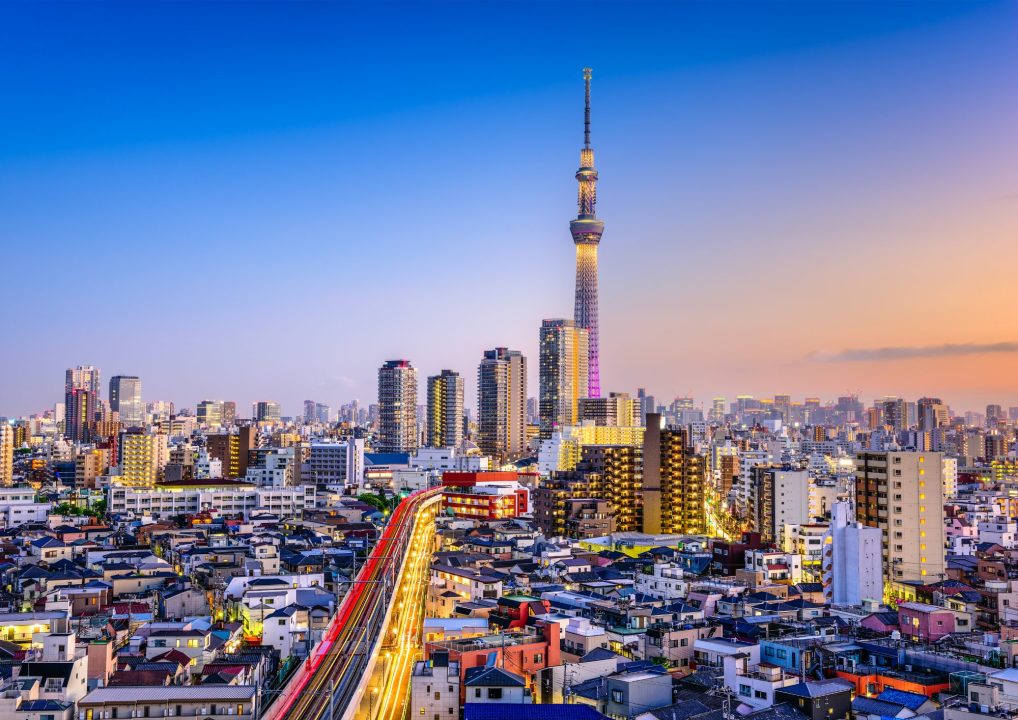
Japan’s pipeline reflects disciplined expansion. Instead of chasing volume, the focus is on strategic placement and long-term infrastructure.
Key developments include:
- Cultural and leisure hubs: Osaka (632), Kyoto (570)
- Business-adjacent submarkets in Tokyo: Shinagawa, Minato, Shibuya
- Leisure-led regional anchors: Hokkaido (winter tourism), Okinawa (resorts)
Japan offers investors a rare trifecta: stable demand, supply discipline, and premium rate resilience — ideal for long-term yield compression.
5. Malaysia – Kuala Lumpur Leads, But Secondary Cities Are Rising
2026 rooms under construction: 6,782
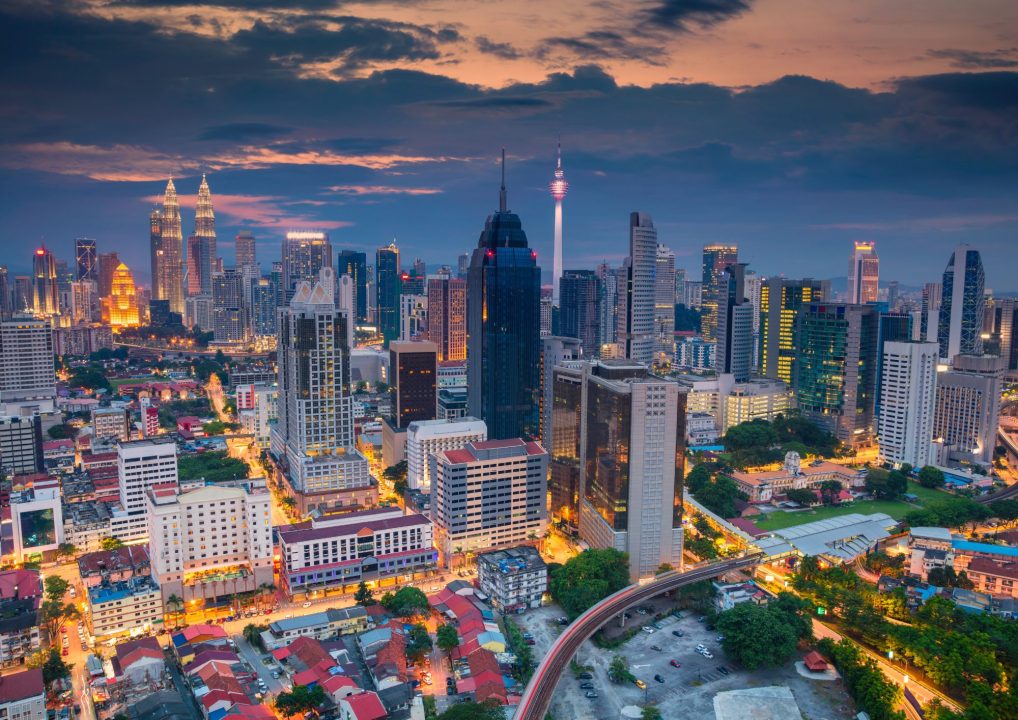
Malaysia’s pipeline reveals two key growth drivers:
- Kuala Lumpur (2,686) continues to attract major brands — Hilton, IHG, Ascott, Yotel
- Regional growth is accelerating across Kota Kinabalu, Johor Bahru, Melaka, Langkawi, Nilai, and Cameron Highlands
As middle-class mobility increases and Singapore spillover continues, Malaysia’s “secondary” markets are becoming strategic nodes for hospitality investment.
6. Thailand – A Leisure Giant Reinforcing Its Core Strengths
2026 rooms under construction: 6,470
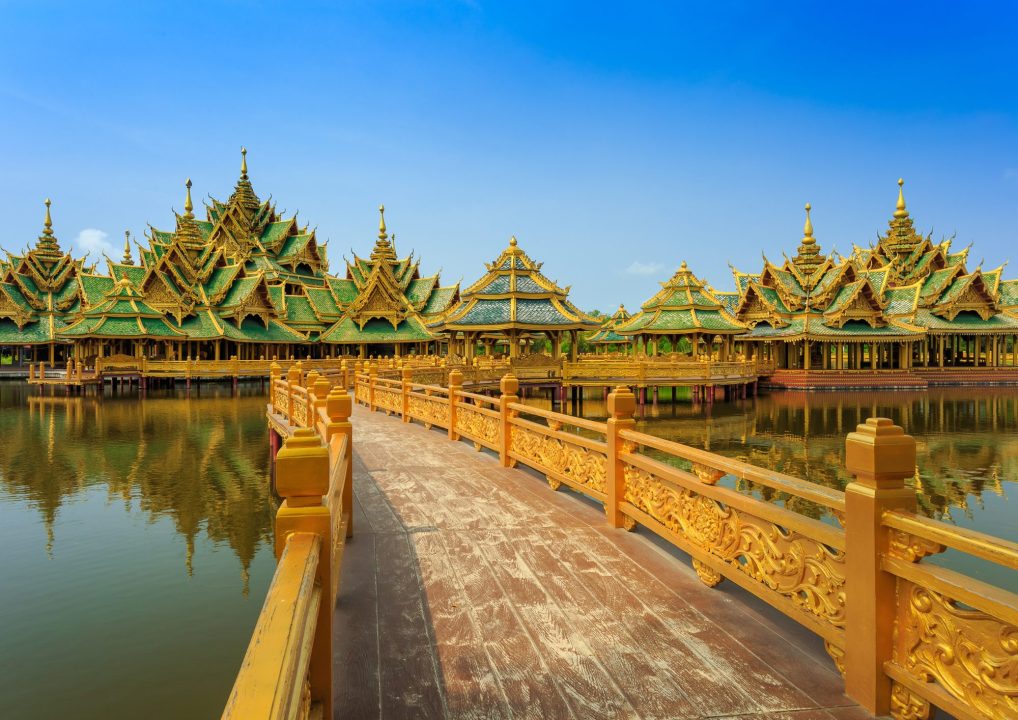
Thailand’s strength in leisure is reflected in a robust 2026 pipeline:
- Bangkok (2,781 rooms) anchors urban development with entries from Hyatt, IHG, Nobu, and Langham
- Phuket (2,056) continues to evolve as a global resort destination
- Secondary beach markets — Hua Hin, Krabi, Koh Samui, Koh Chang — round out the ecosystem
Thailand’s airlift, feeder markets, and brand mix make it one of the region’s most reliable long-term bets.
7. Australia – Balanced Growth in Cities and Coasts
2026 rooms under construction: 6,181
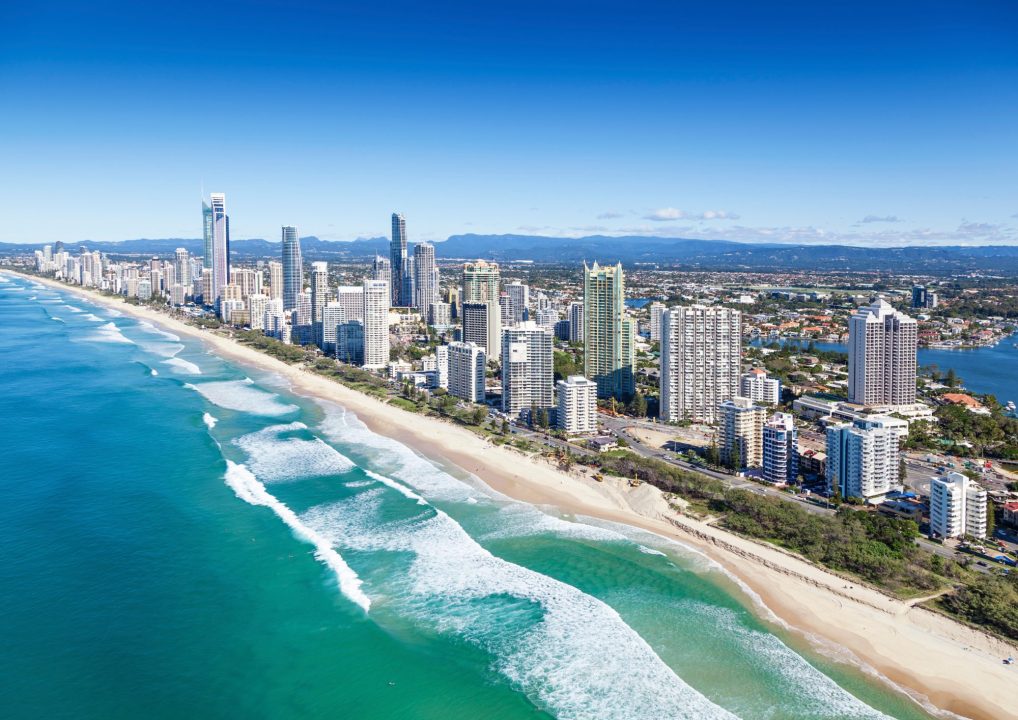
Australia remains a model of stable, transparent growth:
- Urban anchors: Melbourne (880), Adelaide (815)
- Sydney’s expansion: Haymarket, Parramatta, Camden
- Leisure corridors: Gold Coast, Cairns, Mooloolaba, Surfers Paradise
For investors, Australia offers clear regulation, strong domestic demand, and steady ADRs — a solid platform for core and core-plus strategies.
8. Indonesia – Multi-Island Strategies for a Multi-Node Market
2026 rooms under construction: 5,294
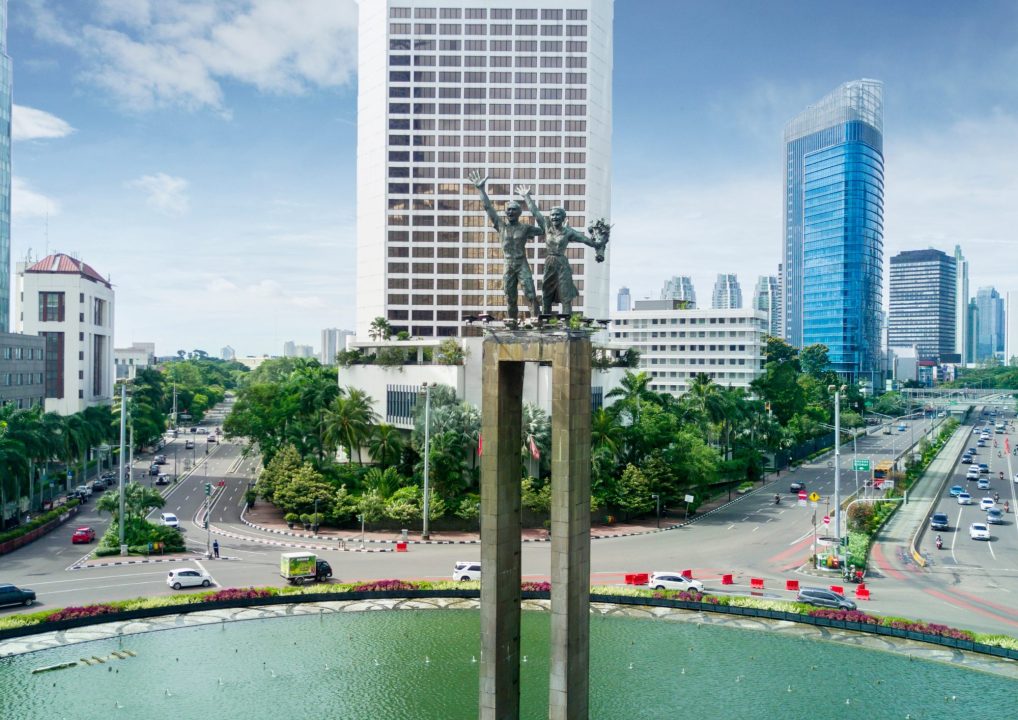
Indonesia mirrors its geography: diverse, fragmented, and high in opportunity.
- Bali remains dominant — Badung, Ubud, Lombok, and Denpasar are all expanding
- Jakarta (665 rooms) and surrounding nodes support the corporate core
- Emerging destinations: Bandung, Manado, Bintan, Komodo, Medan
Winning strategies will be network-driven, not city-centric — designed to capture domestic travel momentum and archipelagic diversity.
9. Philippines – Metro Manila and New Frontiers in Leisure
2026 rooms under construction: 4,364
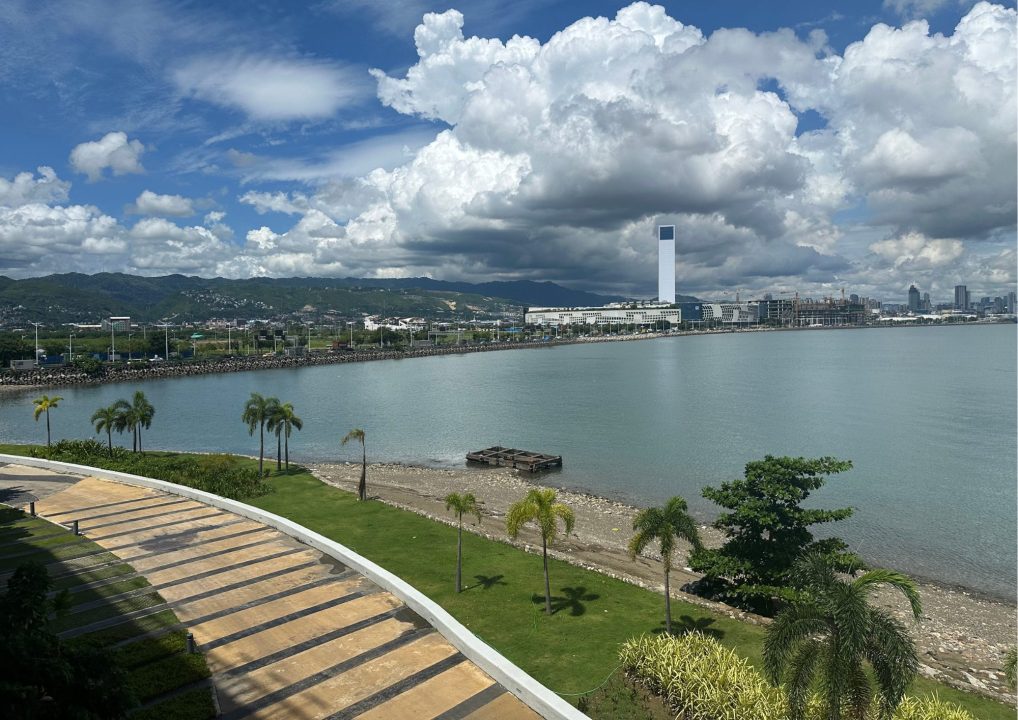
Metro Manila continues to lead with strong business travel demand:
- Quezon City (702), Parañaque (618), Makati (437)
But new growth is emerging in Cebu, Boracay, Davao, El Nido, Lipa, New Clark City, and Baguio — markets becoming internationally viable as infrastructure improves.
The upside is clear, but navigation requires local insight into seasonality, regulation, and logistics.
10. Singapore – Small Pipeline, Big Strategic Value
2026 rooms under construction: 2,136
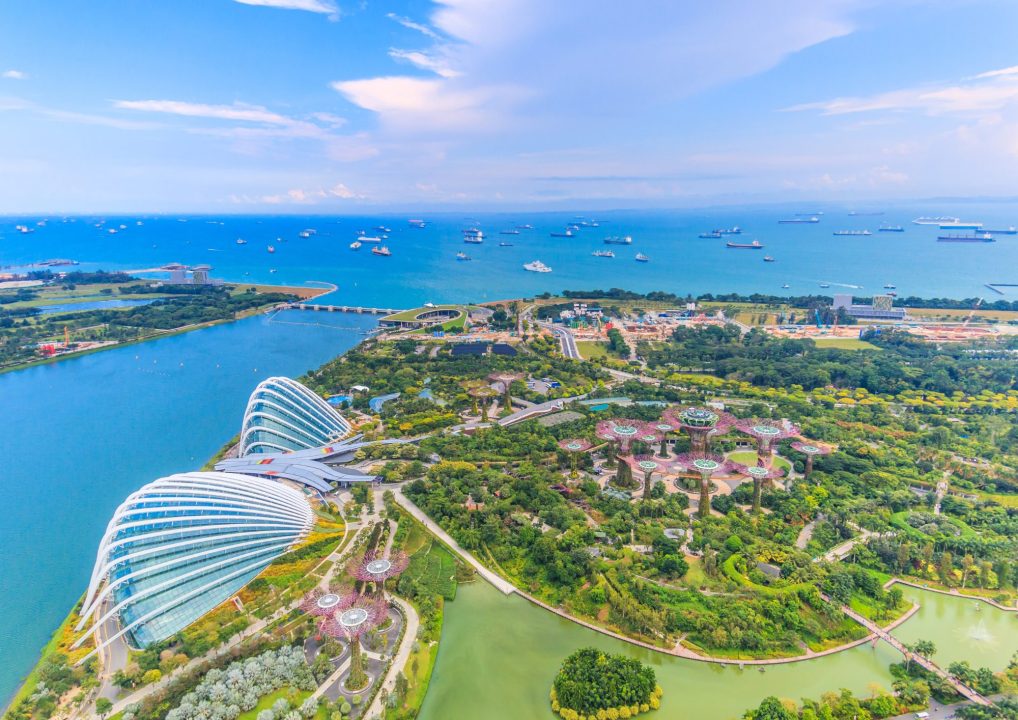
Singapore has the smallest pipeline on this list — but the highest strategic weight.
Led by Global Premium Hotels’ 1,350-room project, new supply here is rare, high-value, and tightly linked to differentiated positioning.
In Singapore, scarcity is the playbook — where low volatility and high RevPAR combine with premium brand value and defensive fundamentals.
Final Word: Where Confidence Meets Construction
APAC’s 2026 hotel pipeline is more than a data point — it’s a conviction map.
It tells us not just where supply is growing, but where owners, developers, and brands believe rates will hold, demand will deepen, and returns will outperform.
The next phase of hospitality growth won’t belong to those who follow headlines — but to those who understand the logic behind where capital is being deployed.
And that’s not just a forecast. It’s already under construction.
Editor’s Note:
This article, originally titled “Top 10 Hottest APAC Hotel Markets in 2026,” was contributed by Pierre Marechal, Vice President of Strategic Advisory & Asset Management at JLL. He advises hospitality investors and operators across Asia-Pacific on asset performance, revenue strategy, and commercial transformation.
Views expressed are the author’s own. To pitch a story or share insights on hospitality, leadership, or business in Asia, contact the NIA editorial team.
Highlights
- 1. China – Still the Giant, Now Quietly Rebalancing
- 2. Vietnam – Rapid Expansion After a Strategic Pause
- 3. India – Multi-City Momentum Backed by Domestic Demand
- 4. Japan – Strategic Growth Anchored by Stability
- 5. Malaysia – Kuala Lumpur Leads, But Secondary Cities Are Rising
- 6. Thailand – A Leisure Giant Reinforcing Its Core Strengths
- 7. Australia – Balanced Growth in Cities and Coasts
- 8. Indonesia – Multi-Island Strategies for a Multi-Node Market
- 9. Philippines – Metro Manila and New Frontiers in Leisure
- 10. Singapore – Small Pipeline, Big Strategic Value
- Final Word: Where Confidence Meets Construction
Read the Chinese article here.