In Vietnam’s evolving employer branding space, Eric Tran stands at a unique intersection — where marketing, HR insights, and data storytelling converge to create lasting business impact.
As Head of Marketing, Communications, and Partnerships at Anphabe, Eric has helped redefine how brands connect with both employees and employers, turning campaigns into movements and insights into business transformation.
In this feature, he shares how he balances strategy with storytelling, builds future-ready marketing teams, and stays rooted in purpose while navigating a fast-changing world.
Highlights
From Research to Relevance: Marketing That Moves the Needle
Q: At Anphabe, you’re at the intersection of employer branding, HR insights, and strategic marketing. How do you ensure marketing efforts translate into measurable business impact across both B2B and B2C segments?
A: At Anphabe, marketing plays a unique role. We’re not just telling stories — we’re connecting employers, employees, and the broader business community through a shared purpose: helping companies grow by helping employees thrive.
While many know Anphabe for our research and consulting work — especially through the annual “Vietnam Best Places to Work” rankings — marketing here goes far beyond reports. We transform insights into understanding, and understanding into impact. It’s where human insight meets business growth.
We always start with data. Every creative idea must tie back to a measurable business outcome — whether that’s brand perception, lead conversion, ROI, or PR value. This ensures our creativity remains accountable.
Take our Best Places to Work survey. On the surface, it’s a large-scale research project. But really, it’s a platform that helps business leaders connect the dots between employer branding and sustainable business growth — driving better retention, engagement, and productivity.
Our campaigns blend emotional and analytical storytelling:
- Emotional: Showcasing real employee voices and stories of workplace happiness
- Analytical: Backing those stories with workforce data and insight
For B2C, we humanize data. With insights from over 60,000 employees and 5,000 students annually, we help individuals see themselves reflected in national trends, which encourages engagement and advocacy.
We measure success across three key lenses:
- Awareness: Media reach, organic engagement
- Sentiment: Share of voice, tone, social listening
- Business impact: Lead gen, client conversion, repeat partnerships
With this structure, marketing has shifted from a support function to a strategic growth engine. Because at the end of the day, marketing doesn’t just tell stories — it proves value.
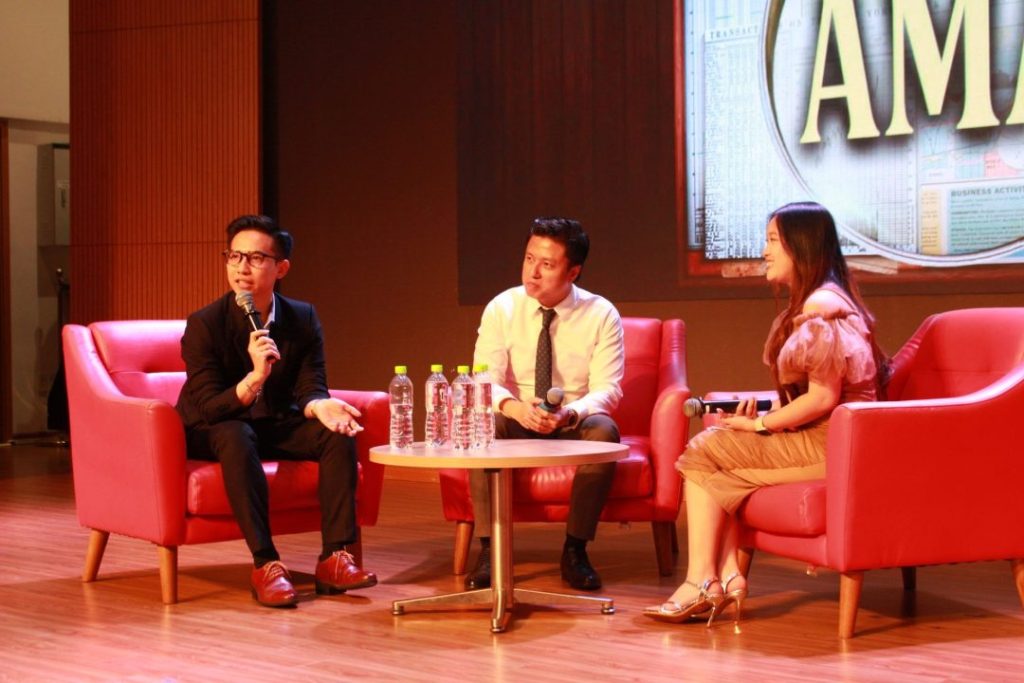
Adapting Across Industries: A Consistent Human Lens
Q: You’ve helped grow brands and operations across industries, including HR, F&B, and tech. What key principle guides how you adapt marketing strategy to such diverse verticals?
A: If I had to sum it up: Marketing isn’t about changing the message — it’s about changing the perspective.
I’ve worked in diverse environments — from Zoom Media Vietnam in the agency world, to client-side roles in multinational companies; from B2C services at Timezone Vietnam to B2B consulting at Anphabe. Each experience shaped how I view marketing — not as just communication, but as a connection.
In events, I learned the power of emotion-on-demand — campaigns had to make people feel something immediately. At Timezone, where we sold experiences, not products, we repositioned the brand from an entertainment venue to a destination for bonding. That emotional value transformed the brand.
At Anphabe, we apply that same lens. We don’t just provide data. We empower businesses to build better workplaces — and in doing so, drive sustainable growth. So it’s not about reinventing strategy for every sector. It’s about staying rooted in human insight — and flexing how we express it.
Balancing Brand and Revenue
Q: As someone who reports directly to the CEO and contributes to board-level strategy, how do you balance long-term brand building with short-term lead generation and revenue goals?
A: Balancing brand and performance is one of the most exciting — and challenging — parts of modern marketing. But to me, they’re not in conflict. They’re interdependent.
A brand built on authentic expertise naturally attracts stronger leads. And performance campaigns that build on brand trust convert better.
Here’s how I manage the balance:
- Define dual KPIs: Every campaign has short-term goals (leads, ROI) and long-term ones (awareness, perception).
- Use data to connect dots: Our content educates the market on how employer branding influences revenue, retention, and innovation. This helps leaders see emotional value and business impact as one.
- Close the feedback loop: I work closely with sales and research to ensure marketing insights lead to client opportunities.
To me, great marketing doesn’t just look good — it works. It must connect creativity with commercial logic. When campaigns build trust, generate leads, and strengthen reputation, that’s true transformation.
Building Marketing Teams That Scale
Q: You’ve built marketing teams from scratch. What are the top traits you look for in next-gen marketers who can thrive in data-driven, high-growth environments?
A: I hire for mindset over skill set.
In fast-paced, data-driven environments, tools change. Trends change. What makes someone successful is their ability to learn, unlearn, and relearn.
Here’s what I value most:
- Curiosity: Great marketers ask “why.” Why did this campaign work? Why is this data surprising? Curiosity drives insight.
- Strategic thinking: Creativity without structure is chaos. I look for people who can turn ideas into clear plans with measurable outcomes.
- Emotional intelligence: Marketing is a team sport. EQ is critical for collaboration, leading without ego, and working across functions.
Over the past 11 years, my proudest achievement isn’t a viral campaign — it’s the people I’ve mentored. Many now lead their own teams, and we still grab coffee, share updates, and support each other.
My leadership style is strong but soft. Rather than managing output, I focus on coaching mindset. My goal isn’t to have followers, but thinkers — people who bring energy, challenge ideas, and eventually surpass me.
Beyond work, I find joy in mentoring students, judging business case competitions, and sharing career advice. I learned things the hard way, so now I try to shorten that journey for others.
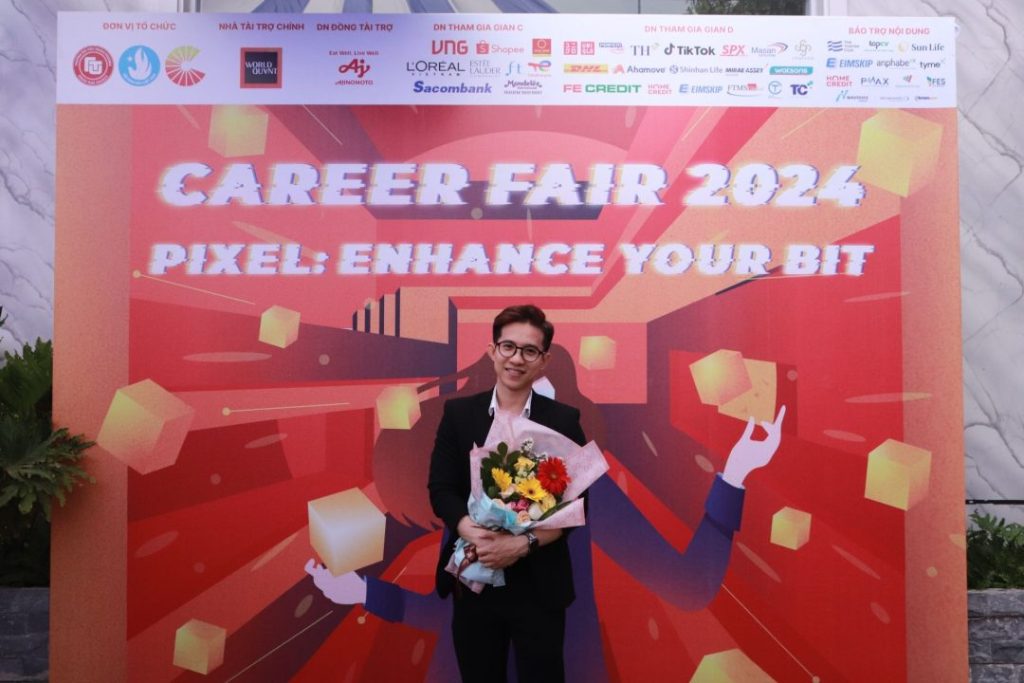
Brand Trust in a Transparent Talent Market
Q: From managing the “100 Best Places to Work®” award to strategic partnerships with LinkedIn, what have you learned about building brand trust in today’s talent-driven market?
A: The modern talent market runs on trust. Employees are more informed, more vocal, and more value-driven. Companies can’t just make promises — they need to prove them.
Vietnam Best Places to Work® taught me that brand trust doesn’t come from what companies say. It comes from what employees share.
That’s why we’ve moved from brand-led storytelling to community-led storytelling. We amplify employee voices and showcase real company case studies. This authenticity has made our platform a space not just for recognition, but for transformation.
By combining data insights, real stories, and strategic communication, we help companies not just look like great workplaces — but actually become them. And in turn, attract the right talent.
The biggest lesson? Brand trust starts with employee experience. Marketing’s job is to reveal that truth — honestly, clearly, and inspiringly.
Final Thoughts: From Connection to Impact
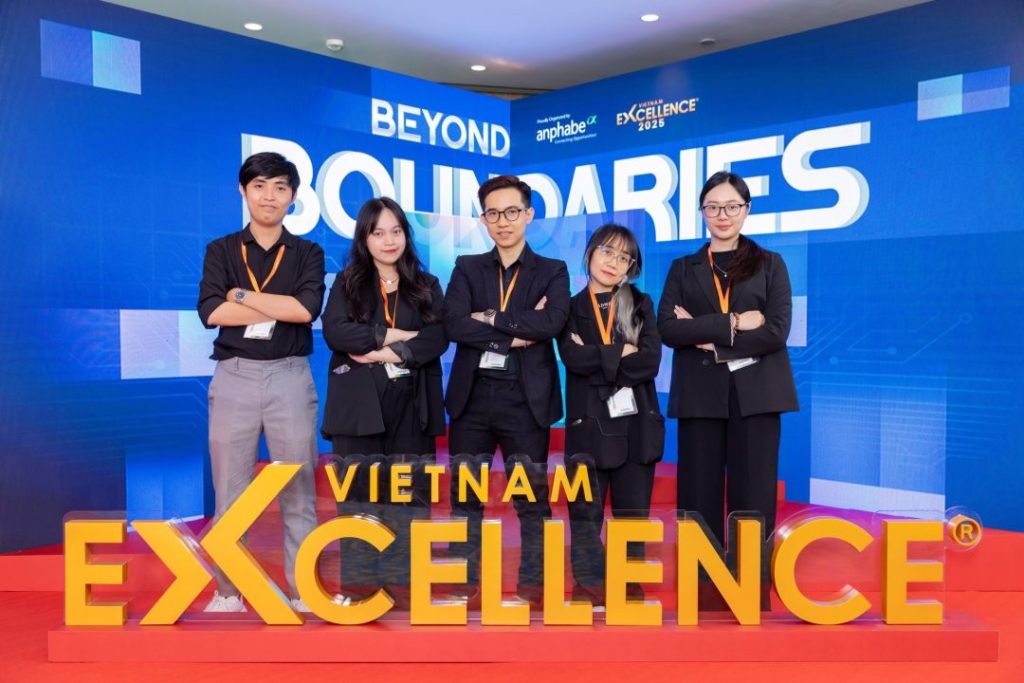
Across his career, Eric Tran has proven that marketing done right is more than messaging — it’s a bridge between people and performance.
From transforming operations into brand experience at Timezone Vietnam to redefining marketing’s strategic role at Anphabe, these milestones don’t just represent career highlights — they reflect a consistent, people-first philosophy that ties purpose to performance.
By anchoring strategy in human insight and storytelling in data, he continues to show how marketing can scale businesses, shape reputations, and spark real, lasting impact.
Editor’s Note:
The insights and data referenced in this article are drawn from Anphabe’s Vietnam Best Places to Work survey and internal reporting. While NewInAsia has not independently verified all figures, it offers a credible perspective on trends in employer branding and human-first marketing. Readers are encouraged to interpret these insights in context and consider multiple sources when evaluating workplace practices.
At NewInAsia, we highlight leaders, innovative approaches, and impactful initiatives shaping Asia’s talent and business landscape.
Highlights
Read the Chinese article here.