




For years, many organisations assumed the same thing: if employees were leaving, they needed better perks. If engagement was slipping, they needed another wellness programme. And if younger workers seemed harder to retain, perhaps their expectations had simply changed.
But what if the problem isn’t that Gen Z wants less from work?
What if they actually want more? They are looking for deeper trust, greater ownership, and more meaningful growth.
And more leaders are willing to see them as contributors rather than employees waiting for their turn.
As organisations grapple with burnout, talent shortages, and rapidly shifting workforce expectations, a new question is emerging:
Can high performance still thrive without the culture of constant pressure that traditionally came with it?
At The Westin Singapore, that question isn’t theoretical. It is shaping how leaders manage teams, how younger employees are developed, and how the organisation thinks about performance itself.
Rather than treating well-being as a perk or talent retention as an HR challenge, the hotel has adopted a broader philosophy: people perform best when they feel trusted, valued, and empowered.
The result is a workplace culture that is producing measurable business outcomes while offering lessons for leaders navigating the future of work.
Highlights
- What If Burnout Isn’t The Price Of Success?
- Gen Z Doesn’t Want Less Responsibility
- Trust Sounds Soft. The Results Say Otherwise.
- The Smartest Leaders Aren’t Always The Ones Teaching
- Wellness Isn’t The Reward. It’s The Foundation.
- Holistic Well-Being and the Future of Work
- The Future Of Work Might Be More Human Than We Think
What If Burnout Isn’t The Price Of Success?
Hospitality has never been known as an easy industry. It is fast-paced, demanding, and built on consistently delivering exceptional experiences.
For James Walkden, General Manager of The Westin Singapore, maintaining high standards remains non-negotiable. The difference lies in how leaders help people sustain that performance.
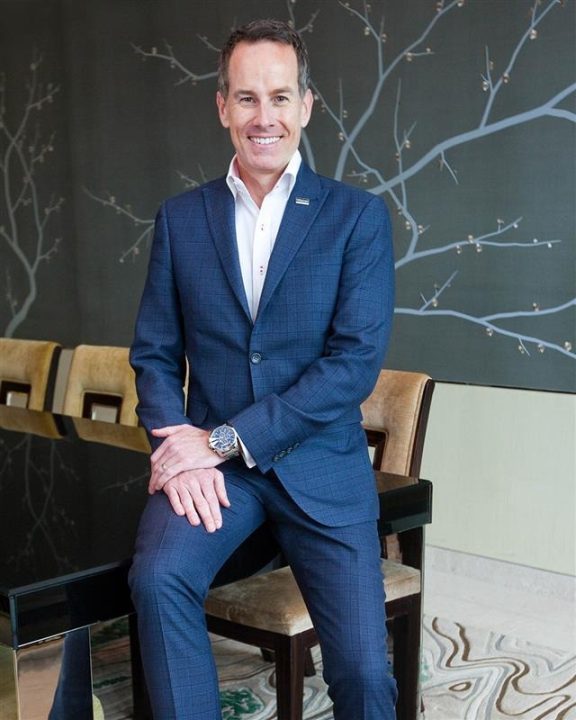
“This is a business built on energy,” he says. “Keeping the pace fast, the goals clear, and the results celebrated is critical to ensuring our associates remain engaged.”
At the same time, Walkden believes that people need autonomy to manage their own energy and responsibilities if they are to avoid burnout.
That philosophy has shaped workplace practices across the hotel, including flexible work-from-home arrangements where operationally possible and flexible rostering for frontline teams. More importantly, it has helped create a culture where employees feel supported when balancing professional and personal commitments.
The results challenge the assumption that well-being comes at the expense of performance.
Over the past three and a half years, employee turnover has fallen by more than 50%. During the same period, guest experience scores have increased by 13%, while the hotel has also achieved year-on-year profitability growth.
For Walkden, the connection is clear.
“If people feel trusted, valued, and appreciated, they will work hard for the business.”
Perhaps burnout isn’t the inevitable cost of success after all.
Gen Z Doesn’t Want Less Responsibility
Conversations about Gen Z often focus on flexibility, boundaries, and changing workplace expectations.
But speaking with younger employees at The Westin Singapore reveals a more nuanced reality.
Farisha Low Rui Qi, Assistant Sales Manager, believes the definition of growth itself is evolving.
“I was taught that growth meant climbing the corporate ladder and achieving the highest recognition in an organisation,” she says. “Today, growth is also about continuous learning and developing emotional intelligence, not just technical skills.”
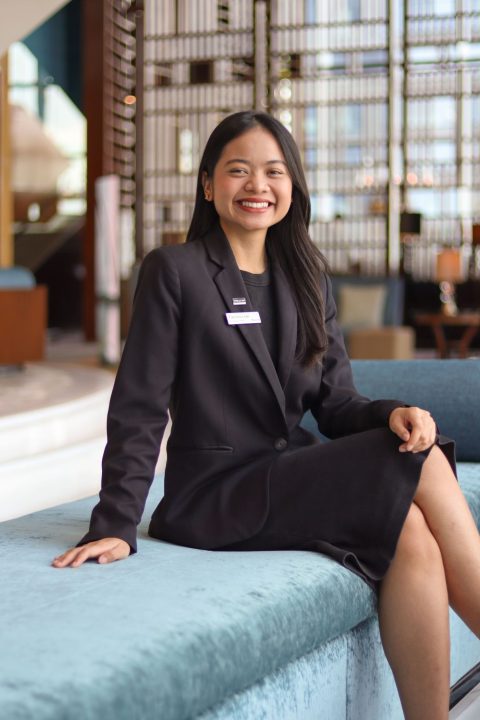
For Farisha, professional development is no longer measured solely by promotions or titles. It is equally about learning how to communicate, build relationships, navigate challenges, and make meaningful contributions.
She also points to the importance of what she calls “grace” — remaining empathetic, composed, and solutions-oriented when supporting clients and colleagues.
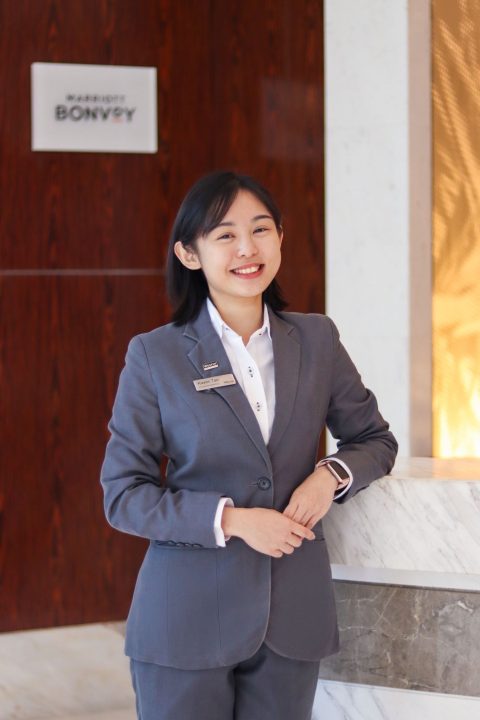
The same theme emerges in the experience of Tan Ka Yen, Guest Experience Expert.
Joining The Westin Singapore immediately after graduation, Tan saw the workplace not only as a place to build technical skills but also as an environment that helped shape her confidence and character.
“Through my experience here, I’ve learned how to grow not only in technical and social skills but also as a human being.”
Neither employee talks about wanting less responsibility.
Instead, they describe wanting opportunities to learn, contribute, and grow within an environment that supports them.
Trust Sounds Soft. The Results Say Otherwise.
Across conversations with both leadership and employees, one word surfaced repeatedly.
Trust.
Not trust as a corporate value displayed on a wall, but trust demonstrated through everyday decisions.
For Tan, one of the most meaningful moments came when her leaders encouraged her to take ownership of a challenging guest case.
Rather than directing every step, they trusted her to make decisions, execute solutions, and learn through experience.
Even when outcomes were not ideal, the focus remained on growth rather than blame.
“They appreciated my effort and willingness to try,” she recalls. “Through this experience, I gained valuable knowledge and developed the confidence to handle challenging situations with a more positive mindset.”
Farisha shares a similar experience.
When discussions around artificial intelligence and emerging technologies surfaced internally, younger employees were invited to contribute ideas and perspectives. Growing up in a technology-driven environment allowed her to share insights that informed broader conversations about innovation and business opportunities.
Graphic Designer Jaryl Pang experienced the same culture of ownership when he was entrusted with developing an extensive Mid-Autumn Festival visual communication campaign.
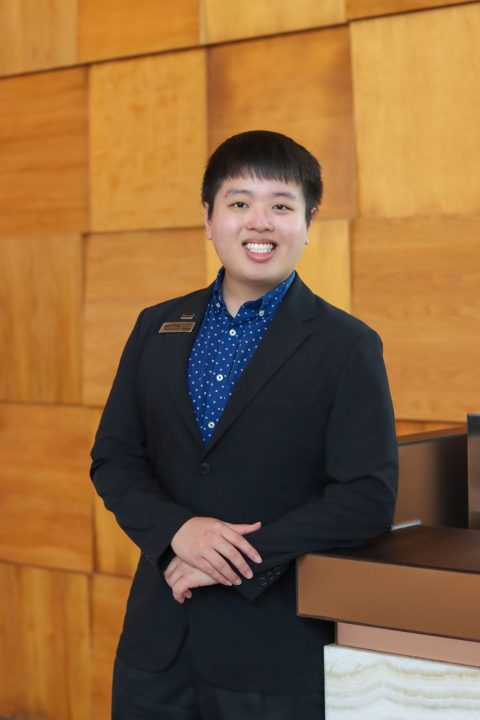
Recognising the scale of the project, his supervisors provided guidance and regular check-ins while still allowing him to take ownership of the work.
For Jaryl, two words summarise growth and grace:
“Results and respect.”
Taken together, these stories suggest that trust is not simply a cultural aspiration. It is an operating principle.
The Smartest Leaders Aren’t Always The Ones Teaching
For decades, mentorship followed a familiar model.
Senior leaders taught.
Junior employees learned.
Today, that dynamic is changing.
At The Westin Singapore, younger employees are increasingly contributing ideas that help shape how teams think about technology, communication, and workplace expectations.
Farisha points to conversations around AI and digital transformation, where leaders encouraged younger employees to share observations about emerging tools and behaviours.
Jaryl offers another perspective.
As a digital native, he challenged assumptions around smartphone use in the workplace by demonstrating how mobile devices can function as productivity tools for content creation, communication, and understanding changing consumer behaviour.
Tan has also noticed leaders actively seeking input from younger team members and giving them greater ownership over projects and initiatives.
While experience remains invaluable, fresh perspectives are becoming equally important.
The lesson is simple.
The strongest organisations create environments where learning moves in both directions.
Wellness Isn’t The Reward. It’s The Foundation.
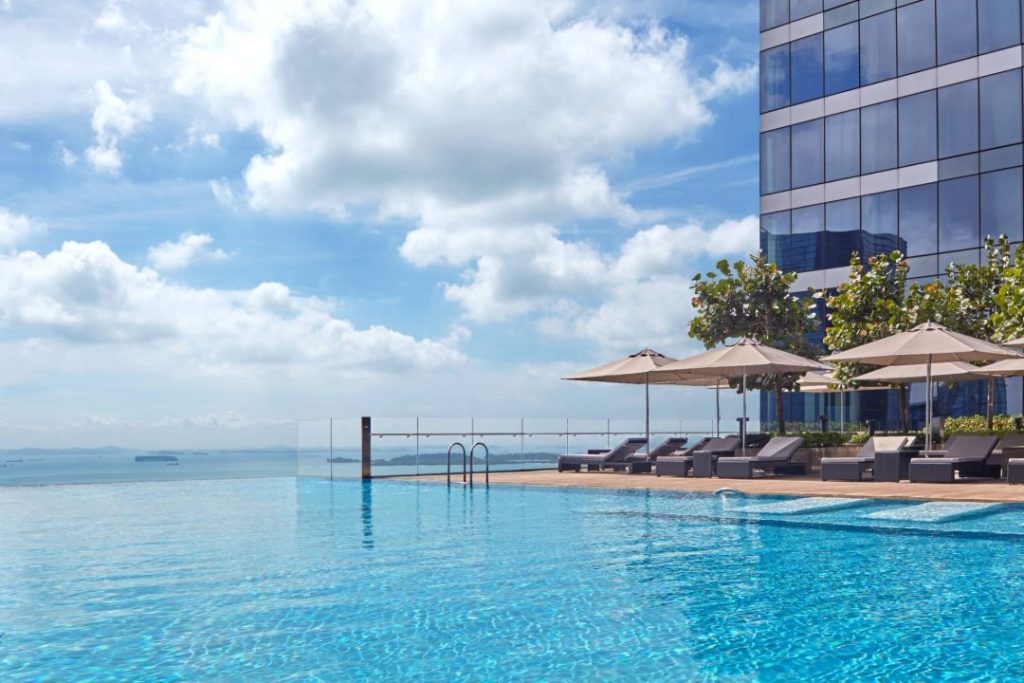
Many organisations still treat wellness as something that happens after performance.
The Westin Singapore takes a different view.
For Cheryl Simon, Director of Human Resources and recipient of the HR Leader of the Year (Premium) award at the Marriott International APEC HR Awards, evolving employee expectations require organisations to become more intentional about how they support people at work.
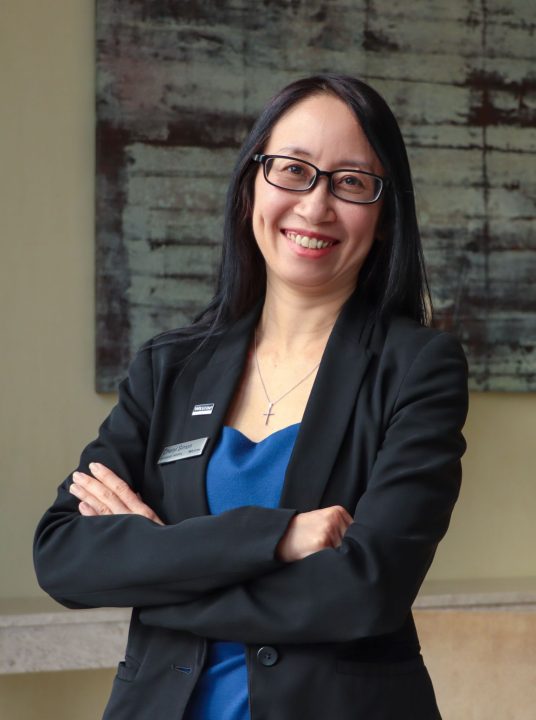
“It is reshaping our mindset to be more open and adaptive, allowing us to better understand what this new generation of talent wants and what motivates them,” she says. “We are focused on creating an environment that attracts, engages, and supports their development throughout their career journey.”
That philosophy extends beyond workplace policies.
The hotel has introduced flexible work arrangements, flexible rostering, and a Well-Being Day that allows associates to prioritise their health and personal needs. It also fosters an open-door communication culture designed to strengthen belonging and inclusion across the organisation.
Supporting employee well-being, however, also requires the right infrastructure.
Associates have access to initiatives and spaces, including the Move Well gym, Rest Well relaxation areas, Play Well social space, Global Running Day activities, complimentary Singapore marathon entries, and a variety of engagement programmes tailored to different interests.
For Tan, wellness became personal through the hotel’s guided running culture.
Inspired by guests participating in guided runs around Marina Bay and Gardens by the Bay, she decided to try it herself.
What began as curiosity soon became part of her routine.
Running after work helped her recharge, relieve stress, and build stronger relationships with colleagues, while the associate gym made it easier to maintain those habits regardless of the weather.
Holistic Well-Being and the Future of Work
For Jaryl, wellness takes a different form.
He points to floating sound baths, guided breathwork sessions, and wellness retreats as experiences that help create steadier energy levels, clearer decision-making, and fewer end-of-day reworks.
Looking ahead, Simon believes employee expectations will continue to evolve as technology becomes more embedded in everyday work.
“As AI becomes more prevalent, particularly among Gen Z employees who are increasingly adept at leveraging technology, they are likely to use these tools to reduce repetitive tasks and place greater emphasis on meaningful and purposeful work,” she explains.
To stay relevant, The Westin Singapore is progressively incorporating technology and AI into its operations where possible, allowing employees to focus on higher-value work while maintaining productivity and service quality.
Viewed through that lens, wellness is not simply an employee benefit.
It is part of a broader strategy designed to help people stay engaged, find purpose in their work, and sustain high performance over time.
The Future Of Work Might Be More Human Than We Think
As AI transforms industries and workforce expectations continue to evolve, many organisations are searching for the next competitive advantage.
The answer may not be found solely in technology.
It may be found in how organisations choose to lead people.
At The Westin Singapore, leadership increasingly means trusting employees with ownership, creating space for learning across generations, and recognising that wellbeing and performance are deeply connected.
The result is a workplace where younger employees are encouraged to contribute, leaders remain open to learning, and people are given the support needed to grow without burning out.
For business leaders navigating retention challenges, evolving employee expectations, and the ongoing pressure to deliver results, there is an important lesson here.
People perform at their best when they feel trusted, valued, and empowered.
And in an era defined by constant change, that may be one of the most powerful business strategies of all.
Highlights
- What If Burnout Isn’t The Price Of Success?
- Gen Z Doesn’t Want Less Responsibility
- Trust Sounds Soft. The Results Say Otherwise.
- The Smartest Leaders Aren’t Always The Ones Teaching
- Wellness Isn’t The Reward. It’s The Foundation.
- Holistic Well-Being and the Future of Work
- The Future Of Work Might Be More Human Than We Think
Read the Chinese article here.
Related posts:
 Why 97M Jobs Are Being Created but Most Grads Still Won’t Be Ready
 AI Factory Launch Powers SME Generative AI Transformation in Singapore
 Why Gen Z Is Walking Away From “Safe Jobs” — And How They’re Rebuilding Careers Instead
 PPKD Jakarta Selatan Partners with Solve Education! to Strengthen Workforce Readiness for Participants and Alumni

