What does it take to scale from tech lead to CTO in just three years — while rebuilding systems, launching platforms, and studying at one of the world’s top business schools?
For Nikita Gordeev, Chief Technology Officer at Snoonu, it’s not about doing more. It’s about shifting focus, building trust, and creating a culture where engineers are empowered to take ownership — not just execute tasks.
Recognized as one of Fast Company Middle East’s Top 50 AI Leaders, Nikita represents a new generation of technical leaders reshaping how engineering teams operate in the Gulf. At Snoonu — Qatar’s fastest-growing tech company — he’s led major transformations across structure, product, and talent development, while staying deeply grounded in execution.
In this Q&A, Nikita shares lessons from launch nights, leadership pivots, and how growing people can move a company faster than any stack.
Highlights
From Code Fixer to Vision Builder
Q: You’ve moved from tech lead to CTO in under three years at Snoonu. What was the pivotal moment that tested your leadership the most during that transition?
A: The toughest moment wasn’t one major crisis — it was realizing I had to completely change how I lead.
As a tech lead, I was deep in the code. I knew the content of almost every merge request and could fix things myself. But as we grew, that approach didn’t scale. I had to step back and build a leadership team — directors and managers who could make important decisions without me.
We restructured our engineering org so that each squad could deliver features end-to-end, from concept to deployment. That required more than process — it needed trust and clarity across the team. For me, it meant letting go of being the detail person and focusing on strategic direction and alignment with business goals.
That was the real turning point.
Launches That Push You to the Edge
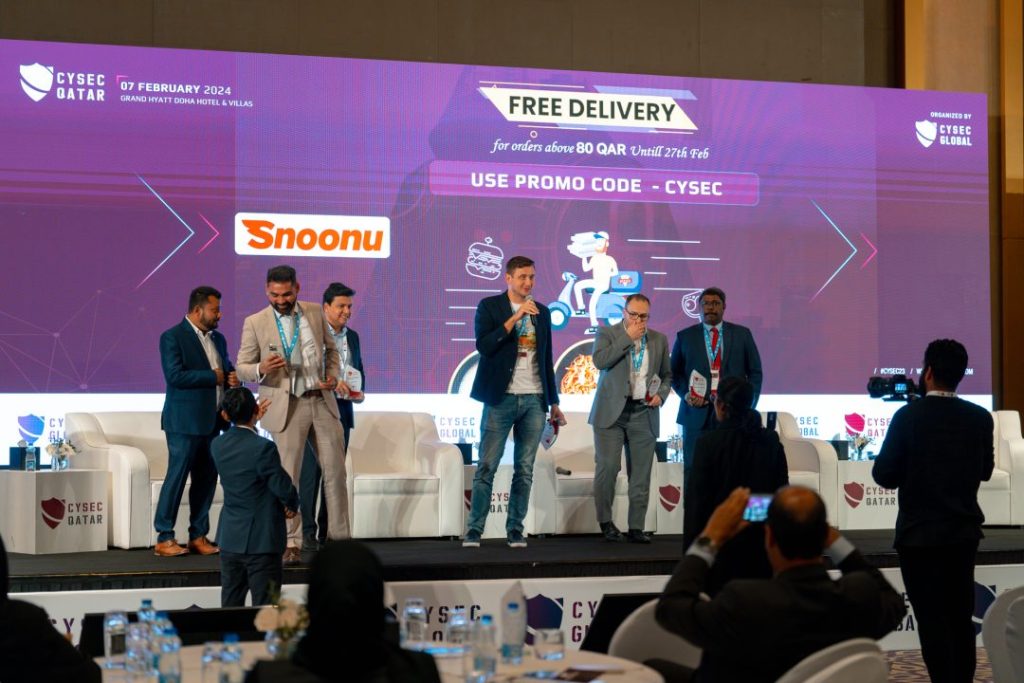
Q: When you look back at launching the new Snoonu app and merchant portal, what stands out as a “make-or-break” decision in getting it right?
A: Two moments come to mind.
One was our new product catalog. It failed — twice. On the third try, we got it into production. That experience taught us to slow down and fix the fundamentals before pushing ahead. It was frustrating, but it changed how we approached risk and readiness.
The other was the night we launched the merchant portal. Everything was supposed to be ready, but last-minute bugs surfaced. Rolling back would’ve meant a major delay, so I stayed up through the night with the team, troubleshooting and patching until morning.
That wasn’t about strategy decks or planning frameworks — it was about showing up, doing the work, and staying close to the team when it counts.
Speed Comes from Ownership, Not Deadlines
Q: You’ve built engineering teams from scratch across countries. What have those moments taught you about speed, trust, and delegation?
A: The biggest lesson? Speed comes from ownership, not urgency.
It’s easy to think velocity means writing code faster or throwing more people at the problem. But real momentum happens when engineers feel directly accountable for the outcomes — not just the tickets.
When building teams across Qatar and internationally, I pushed for a model where each squad owns part of the product. They know their KPIs, their users, and their real-world impact. That kind of structure removes bottlenecks — decisions don’t all escalate to the top, and people care deeply about the results.
Trust and delegation are important, but the cultural shift toward product ownership is what really unlocked speed.
Turning an EMBA into a Leadership Toolset
Q: You’re studying at HEC Paris while running tech at a high-growth startup. How do you balance learning and leading at the same time?
A: At Snoonu, learning is a core value. Our CEO, Hamad Al Hajri, also completed the HEC Paris EMBA, and Snoonu started as his capstone project. That mindset flows through the whole company.
For me, the balance isn’t about time management — it’s about integration. When I study Blue Ocean Strategy, I apply it the next day to our verticals. When I explore sustainability frameworks in class, I use them to sharpen our ESG agenda.
The EMBA and my CTO role don’t compete — they complement each other. Learning informs my leadership, and leadership gives context to what I learn. It’s a loop that keeps evolving.
Recognition is a Lever, Not the Goal
Q: Recognition like the Fast Company AI Leader award puts you in the spotlight. What does that kind of visibility mean to you — and how do you use it with intention?
A: Awards are meaningful, but they’re not just personal — they reflect the work of the team and the larger tech ecosystem.
I use visibility as a tool. It helps draw attention to what’s being built in Qatar and the MENA region. There’s incredible talent here, but it’s not always seen globally.
When I speak at events or get invited to panels, I try to turn that attention into opportunity — whether that’s new partnerships, attracting engineering talent, or simply proving that innovation can thrive here.
More Than Code: Scaling People and Platforms in Sync
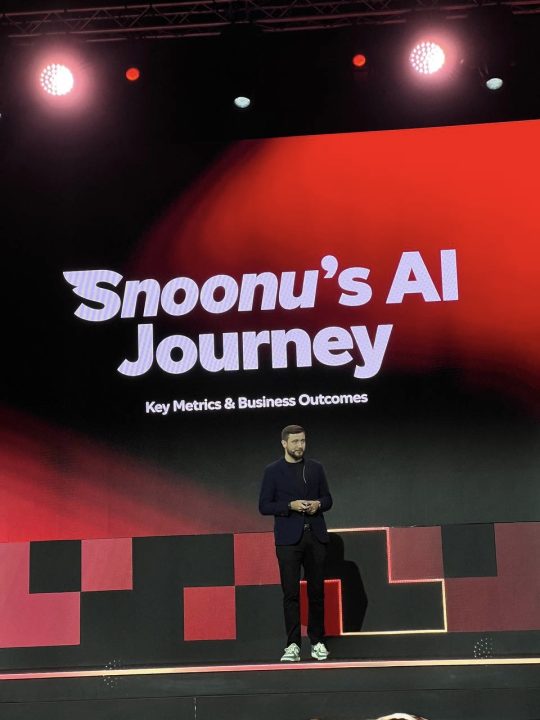
Nikita’s impact isn’t measured only by new products — it’s in how he’s made technology and talent evolve in parallel.
Under his leadership, Snoonu has rolled out tools like Genie, an AI-powered shopping assistant, and predictive systems like ETA estimators — all designed to create measurable value for users and merchants.
But just as importantly, he’s invested in a structure where engineers aren’t just coders — they’re future leaders. His focus on internal talent development has enabled team members to grow into managerial roles in record time, a rare achievement in the regional startup scene.
What sets Nikita apart is not just technical strategy — it’s building an environment where people can grow as fast as the platform they’re building.
“You can scale systems,” he says. “But scaling people — that’s what builds long-term resilience.”
Highlights
Read the Chinese article here.