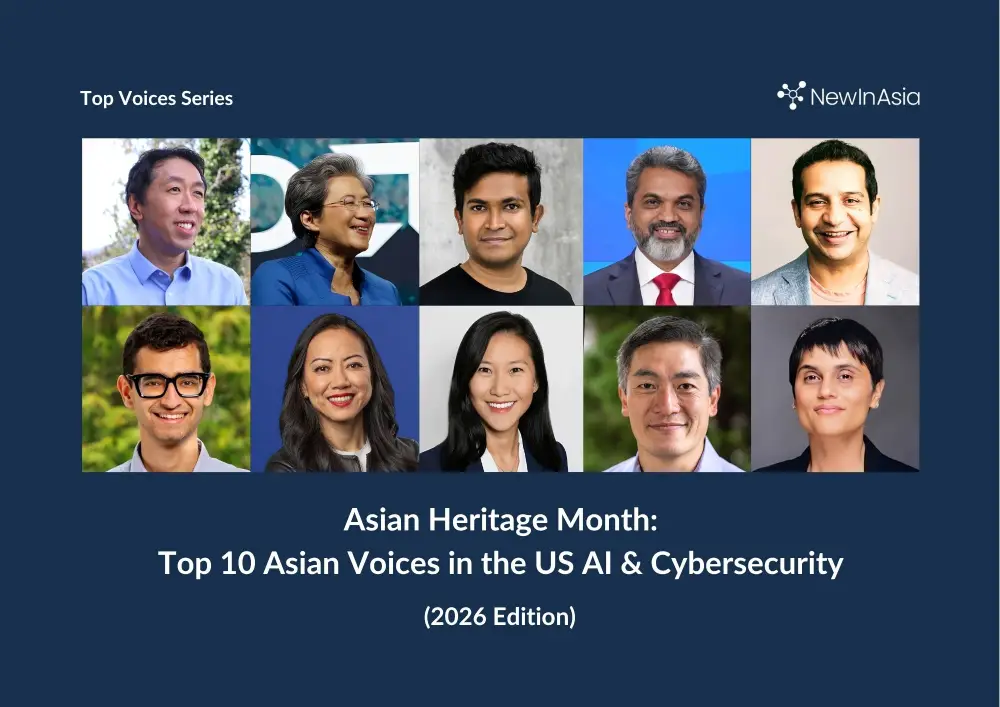
Artificial intelligence is no longer confined to research labs or experimental pilots — it is rapidly becoming the infrastructure layer behind how businesses operate, how decisions are made, and how digital systems evolve. At the same time, cybersecurity has become inseparable from that transformation, as organizations race to secure increasingly intelligent and interconnected technologies.
Across the United States, Asian leaders are playing a pivotal role in shaping this next era. Some are building the foundational technologies powering AI adoption at scale. Others are redefining enterprise security, data privacy, and AI governance in a world where trust has become as important as innovation itself.
This year’s list of Asian voices in the US shaping the future of AI & cybersecurity highlights individuals whose influence extends far beyond technical expertise. From pioneering researchers and semiconductor leaders to cybersecurity strategists and enterprise AI operators, these voices are helping define how AI is built, deployed, governed, and secured.
Together, they represent a broader shift: the future of AI will not be shaped by technology alone — but by the leaders capable of connecting innovation, responsibility, and real-world impact.
Highlights
Andrew Ng
Founder, DeepLearning.AI
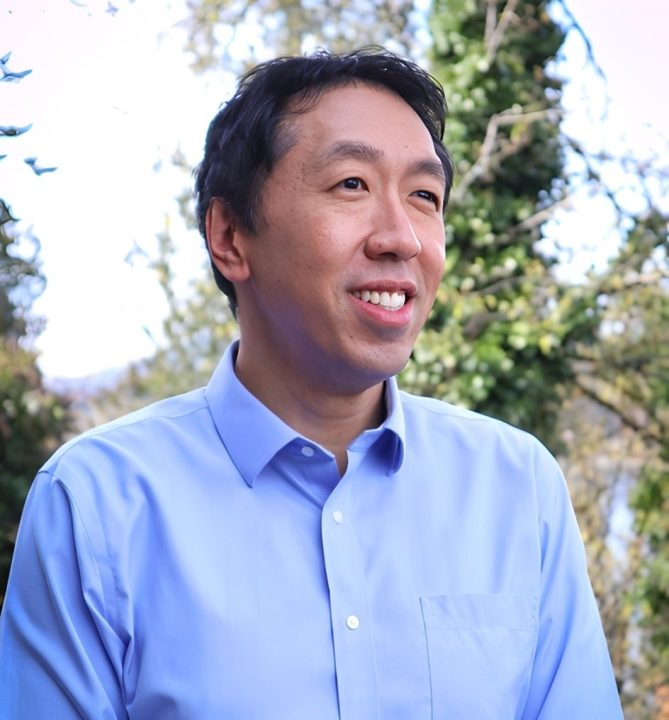
Andrew Ng remains one of the most influential figures in modern artificial intelligence, helping bring AI education and adoption to a global audience long before the current wave of generative AI accelerated mainstream attention.
As founder of DeepLearning.AI, he has built one of the world’s most recognized AI education platforms, reaching millions of learners through courses created in collaboration with organizations such as OpenAI, Google, and AWS.
His broader impact spans multiple layers of the AI ecosystem. Ng was the founding lead of the Google Brain team, formerly served as Chief Scientist at Baidu, and co-founded Coursera, which now serves more than 100 million learners worldwide.
Through ventures like AI Fund and LandingAI, he continues to shape how AI moves from research into practical deployment across industries. Few leaders have influenced both the technical and educational foundations of AI at this scale.
Lisa Su
Chair & CEO, AMD
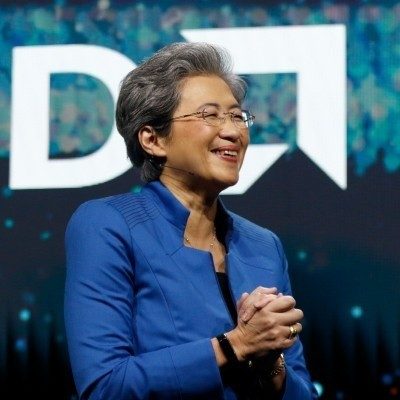
Lisa Su has become one of the defining leaders behind the infrastructure powering the AI era. As Chair and CEO of AMD, she has led the company’s transformation into a global leader in high-performance and adaptive computing technologies that sit at the core of AI development, cloud computing, and next-generation data centers.
Before leading AMD, Su held senior leadership roles at IBM and Freescale Semiconductor, where she oversaw major semiconductor R&D and engineering initiatives.
Under her leadership, AMD has emerged as a critical player in the AI hardware race, competing at the highest level in chips powering AI workloads and advanced computing systems. Her ability to combine deep technical expertise with long-term strategic execution has made her one of the most respected executives in the global technology industry.
Jonathan Siddharth
Founder & CEO, Turing
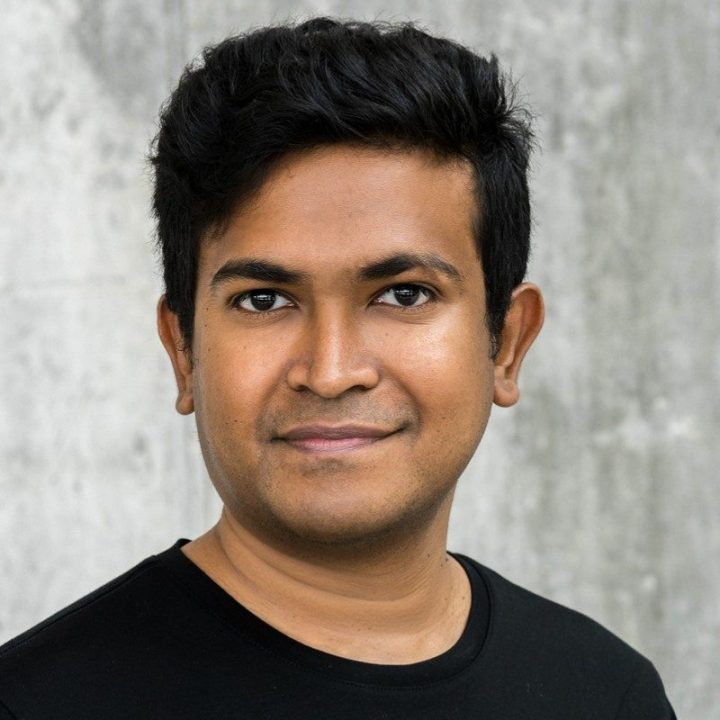
Jonathan Siddharth is building at the intersection of frontier AI research and enterprise deployment. As founder and CEO of Turing, he leads a company working closely with major frontier AI labs to improve model capabilities in areas such as software engineering, enterprise reasoning, and STEM applications.
A former Stanford AI researcher, Siddharth, has positioned Turing as more than a talent platform. The company now operates as a bridge between advanced AI research and real-world enterprise implementation, helping organizations deploy production-grade AI systems across industries, including financial services and life sciences.
Through this model, Siddharth represents a growing class of leaders focused not just on building AI tools, but on integrating AI into the operational fabric of modern business.
Sumedh Thakar
President & CEO, Qualys
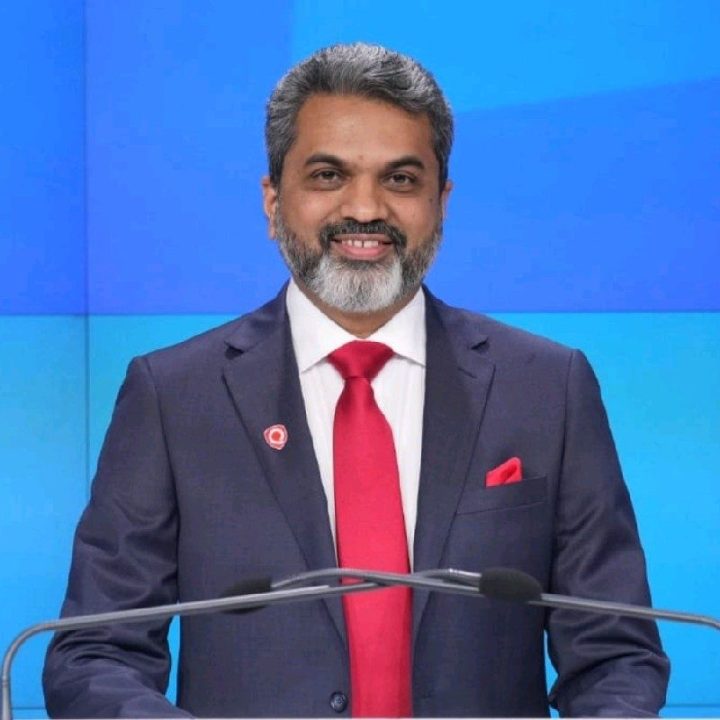
Sumedh Thakar has spent more than two decades helping shape enterprise cybersecurity at scale. As President and CEO of Qualys, he leads one of the industry’s most established cloud security and compliance platforms, serving organizations navigating increasingly complex cyber threats.
Having previously served as Chief Product Officer and Vice President of Engineering at Qualys, Thakar directed the expansion of global product and engineering operations across multiple regions. More recently, he has emphasized the role of automation and AI in cybersecurity, particularly in helping organizations reduce operational complexity and respond to evolving digital risks.
His work reflects how cybersecurity leadership is increasingly tied to intelligent, automated systems capable of operating at enterprise scale.
Anshu Sharma
Co-Founder & CEO, Skyflow
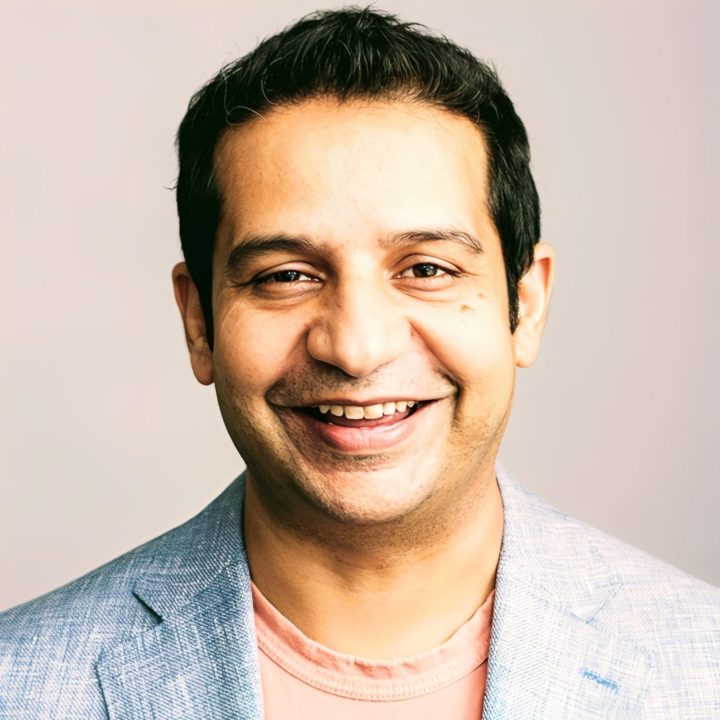
Anshu Sharma is focused on one of the most critical challenges in the AI era — securing sensitive data. As co-founder and CEO of Skyflow, he leads a company building data privacy vaults designed to protect modern AI and enterprise data stacks.
His credibility in enterprise technology spans decades. Sharma previously helped scale Salesforce’s platform business from $1 million to over $300 million in annual recurring revenue and has invested in companies including Nutanix, Workato, and Algolia.
Today, Skyflow works with organizations such as Walmart, Visa, and ServiceNow, highlighting the growing importance of privacy infrastructure as AI systems become more deeply embedded into enterprise operations.
Sayash Kapoor
Doctoral Student, Princeton University | Senior Fellow, Mozilla
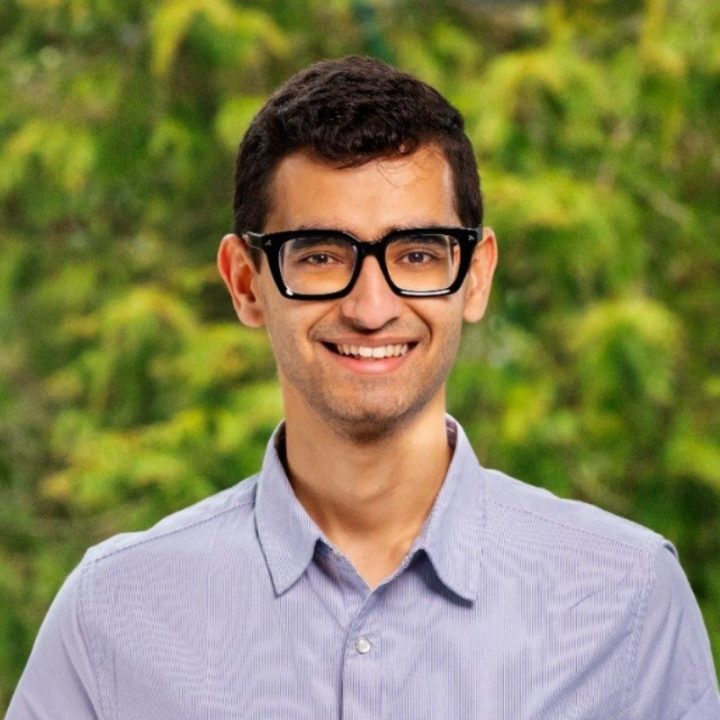
Sayash Kapoor brings a critical and research-driven perspective to the AI conversation, focusing not only on what AI can do but also on its societal limitations and risks. As a computer science Ph.D. candidate at Princeton University and Senior Fellow at Mozilla, his work explores the broader impact of AI systems on society, policy, and public trust.
Kapoor’s research has earned recognition, including a best paper award at ACM FAccT, an impact recognition award at ACM CSCW, and inclusion in TIME’s inaugural list of the 100 most influential people in AI. Through projects like AI Snake Oil, which critically examines exaggerated claims surrounding AI, Kapoor has emerged as an important voice advocating for more responsible and evidence-based conversations around artificial intelligence.
Joy Chik
Board Director, PayPal
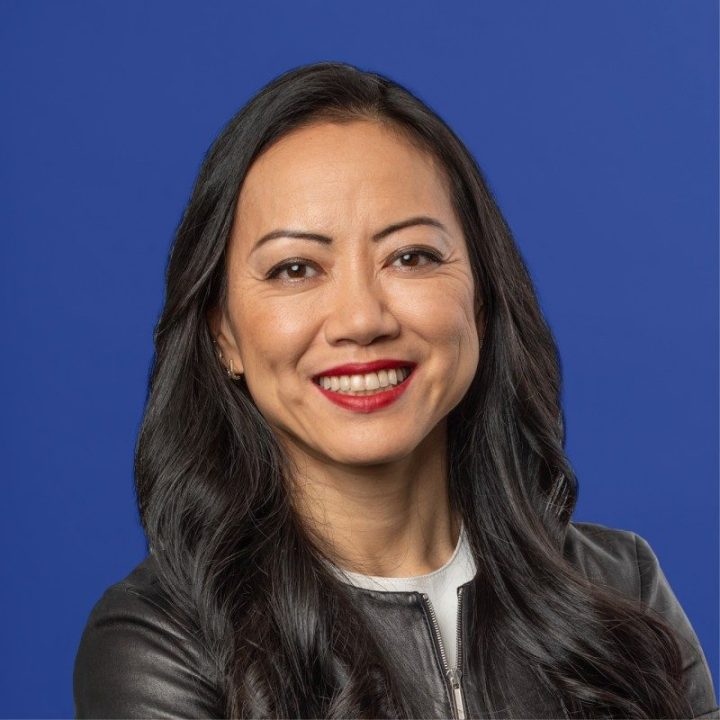
Joy Chik has spent nearly three decades building and scaling some of the world’s largest identity and security platforms. Most recently, she served as President of Identity and Network Access at Microsoft, overseeing systems responsible for securing access for billions of users and processing more than 100 billion authentications daily.
Today, Chik serves on the board of PayPal while advising organizations on AI transformation, cybersecurity, and identity infrastructure. Her experience sits at the center of some of the most important conversations shaping the future of digital trust — where AI, security, and financial systems increasingly intersect.
In a world driven by connected platforms and intelligent systems, her work highlights the growing importance of identity as a foundational layer of modern technology.
Vivienne Wei
COO, Salesforce Unified Agentforce Platform Technology
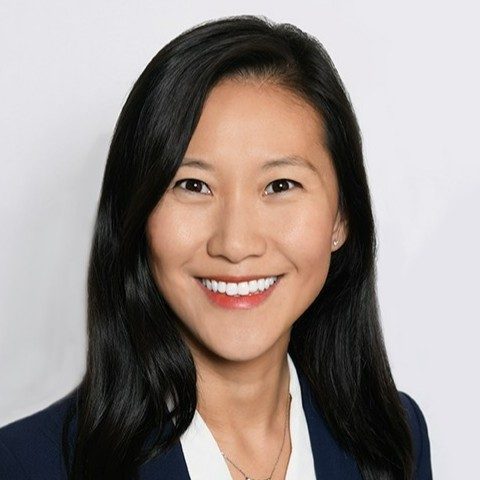
Vivienne Wei is helping large enterprises operationalize AI at scale. As COO of Salesforce’s Unified Agentforce Platform Technology organization, she oversees transformation efforts across a multibillion-dollar portfolio spanning AI, data, analytics, and enterprise applications.
Her work focuses on turning AI from experimentation into operational infrastructure. According to her profile, Salesforce achieved AI adoption across more than 90 percent of engineering teams within weeks under her leadership, while also driving significant operational efficiencies and pipeline growth.
Beyond enterprise execution, Wei also contributes to broader AI leadership conversations through initiatives such as her AI Heroes & Headaches podcast and advisory work around AI-native operating models.
Sounil Yu
Chief AI Officer, Knostic
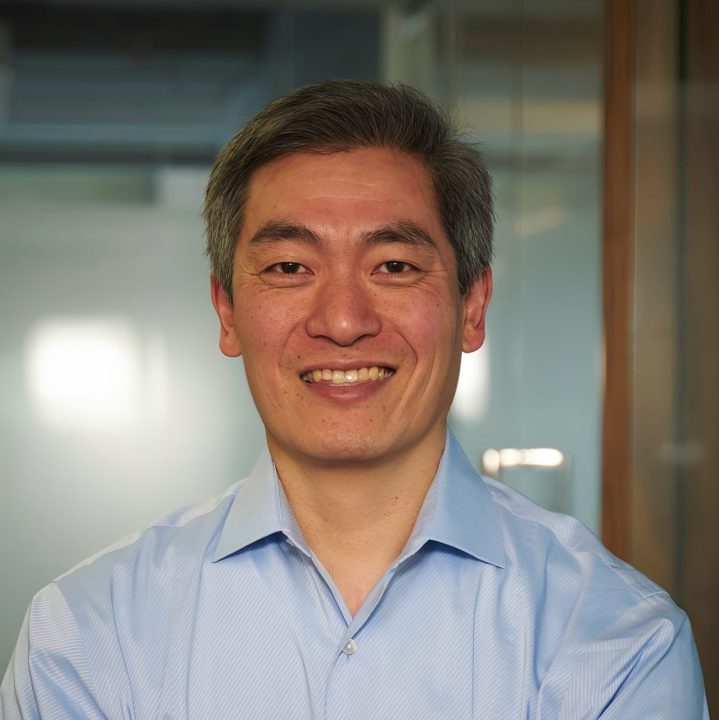
Sounil Yu is one of the most recognizable thought leaders operating at the intersection of AI and cybersecurity. As Chief AI Officer at Knostic, he focuses on governance and security capabilities for coding agents and AI systems, helping organizations manage the risks emerging from increasingly autonomous technologies.
Within the cybersecurity community, Yu has gained wide recognition for creating the Cyber Defense Matrix and the DIE Triad — frameworks that have become influential mental models.
Beyond his operational role, he advises multiple cybersecurity companies, contributes to national security discussions, and remains an active voice in advancing practical approaches to AI security and resilience. His work reflects the reality that as AI systems become more powerful, governance and security can no longer be treated as secondary concerns.
Shuchi Rana
Global Head of Whitespace Intelligence, ServiceNow
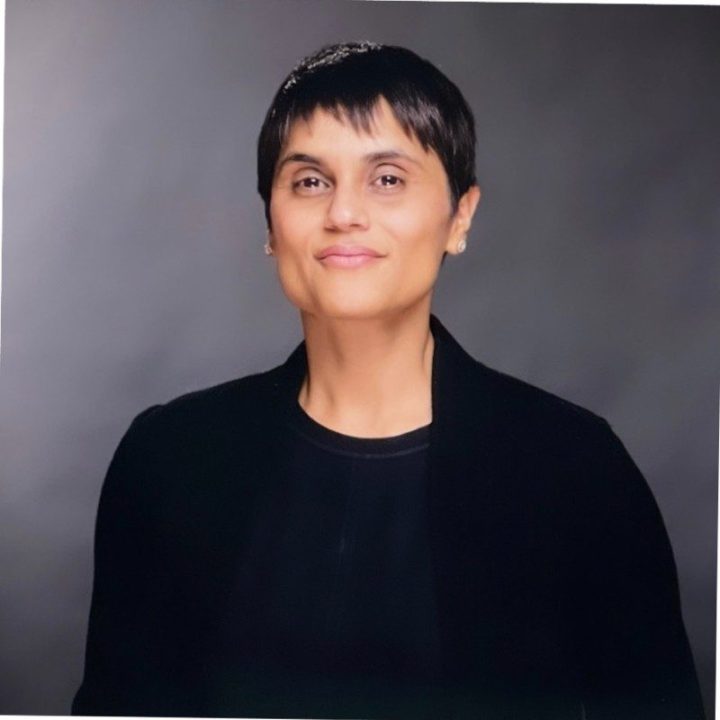
Shuchi Rana operates at the crossroads of enterprise technology, AI ecosystems, and strategic investment. At ServiceNow, she focuses on supporting growth-stage enterprise startups through the company’s strategic venture initiatives, helping accelerate the adoption of emerging technologies across enterprise environments.
Her career spans leadership roles at SAP.iO, VentureBeat, and startup ecosystem initiatives tied to enterprise software and AI innovation. The United Nations Foundation has recognized Rana as a Global Digital Leader, and she actively contributes to organizations such as Women in Big Data and Hedera’s governing ecosystem.
Her work reflects a broader shift in AI — where ecosystem building, strategic partnerships, and responsible scaling have become just as important as the technology itself.
Beyond Intelligence — Building Trusted AI Systems
The conversation around AI often centers on speed, scale, and disruption. But as this list of Asian voices in the US shaping the future of AI & cybersecurity demonstrates, the next phase of innovation will depend just as heavily on trust, governance, infrastructure, and responsible deployment.
These leaders are not only advancing AI capabilities — they are helping define the systems that make large-scale adoption possible. From semiconductor breakthroughs and AI education to enterprise transformation, identity security, and privacy infrastructure, their work reflects the increasingly interconnected nature of the AI economy.
As organizations race to integrate AI into every layer of business and society, one thing is becoming clear: the future will not belong solely to those who build intelligent systems. It will belong to those who can ensure those systems are secure, reliable, and capable of creating meaningful value at scale.
In that future, these voices are not simply observing change. They are actively shaping the architecture behind it.
Highlights
Read the Chinese article here.