




Artificial intelligence is reshaping how organisations operate, but understanding AI isn’t just about technology. It’s about helping people make sense of change.
For Jean Ng, AI Changemaker, Global Top 20 Creator in AI Safety & Tech Ethics, and Chapter Lead of The AI Collective Kuala Lumpur, storytelling has become one of the most important leadership tools in the age of AI. A writer, branding strategist, and advocate for responsible AI, she believes organisations don’t fail because they adopt technology too slowly — they fail because they struggle to build trust, communicate purpose, and lead people through uncertainty.
In this interview, Jean shares why responsible AI begins long before the technology itself, why ethical thinking belongs in every boardroom, and why the greatest AI risks are often hidden in plain sight.
Highlights
AI Isn’t a Software Upgrade. It’s a Human Shift.
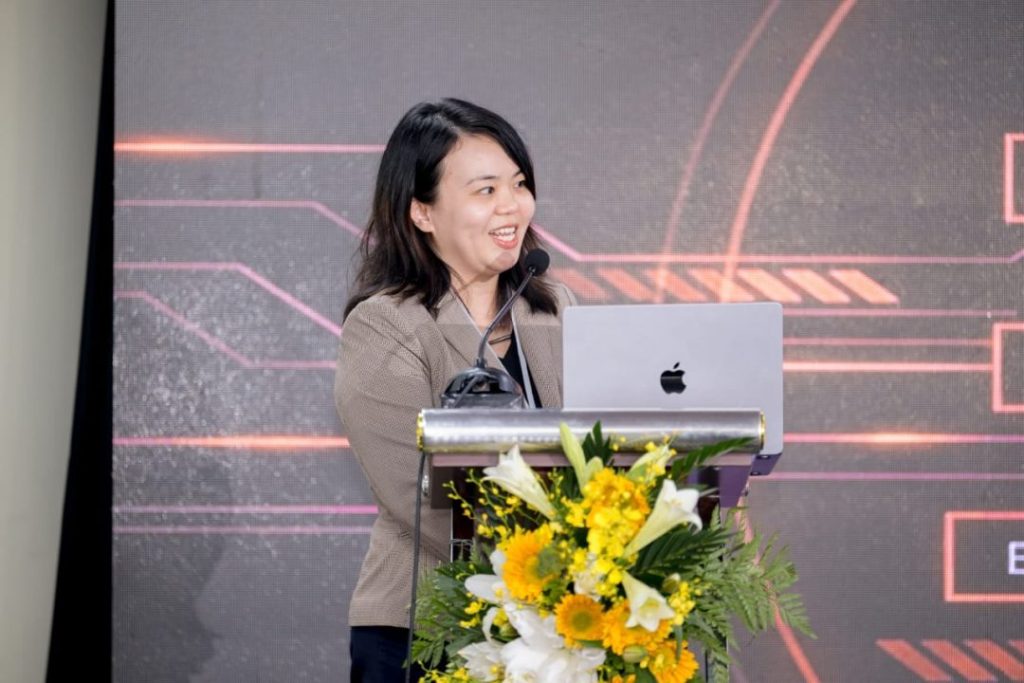
Q: You help founders and executives navigate AI, but your primary tool is language, not code. What’s the biggest narrative mistake leaders make when communicating about AI to their boards, teams, or customers, and why does getting that story wrong have real business consequences?
A: The biggest mistake I see leaders make is treating AI like a software upgrade instead of a human shift.
When communicating with boards, teams, or customers, they often get caught up in technical jargon or the latest AI hype. The conversation becomes entirely about what the technology can do, while overlooking the human side — trust, ethics, and how people actually feel about the changes taking place.
When you ignore that human layer, you risk alienating everyone. Employees become anxious and resistant. Boards worry about unmanaged risks. Customers lose confidence.
Getting the story wrong has real business consequences.
If leaders fail to anchor AI in human values and clear governance, the technology stalls. Teams don’t adopt it, investments fail to deliver value, and organisations ultimately fall behind.
Responsible AI Starts Long Before the Algorithm
Q: “Responsible AI” is one of the industry’s most repeated phrases, yet repetition has made it almost meaningless. What does responsible AI actually look like in a company’s day-to-day decisions, and how can you tell when an organisation is truly practising it rather than simply talking about it?
A: Responsible AI only matters when it moves beyond policy documents and becomes part of daily operations.
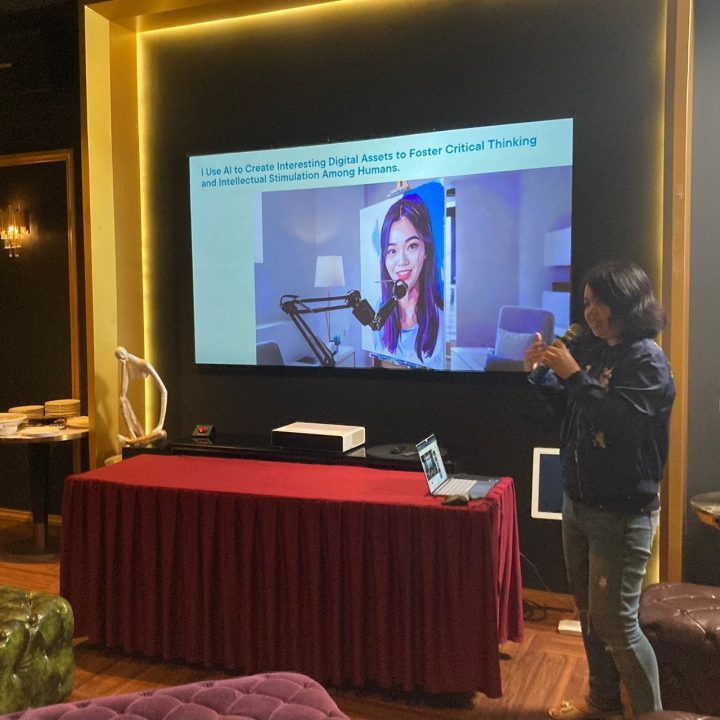
That means giving product teams practical decision-making frameworks while ensuring boards have clear governance structures to oversee AI deployment.
While global frameworks continue to evolve, I believe organisations can already align AI ethics with ESG principles. Just as environmental and social impacts are monitored and audited, AI decisions should be assessed for bias, privacy, transparency, and societal impact.
You know an organisation is genuinely practising responsible AI when those principles influence real decisions.
If a product launch is paused because an ethics review identifies bias in the data, responsible AI has become more than a slogan.
It has become part of how the business operates.
Ethics Shouldn’t Belong to One Department
Q: AI ethics is still largely treated as a specialist function — something companies hire for rather than something leadership owns. Is that sustainable as AI becomes embedded in core business decisions?
A: As AI becomes more deeply integrated into organisations, specialist roles will become increasingly important. I believe every organisation should have access to AI ethics expertise to help navigate these complex changes.
However, relying entirely on one department isn’t sustainable.
An AI ethicist should never become a shield that allows leadership to delegate responsibility.
Technology governance needs to be treated with the same seriousness as financial governance.
Leaders don’t need to know how to write code.
But they do need to take ownership of the human consequences created by their algorithms.
We’ll know this shift has happened when boards review AI risk with the same discipline they apply to financial performance, and when executives are measured not only by operational efficiency but also by the trust they build.
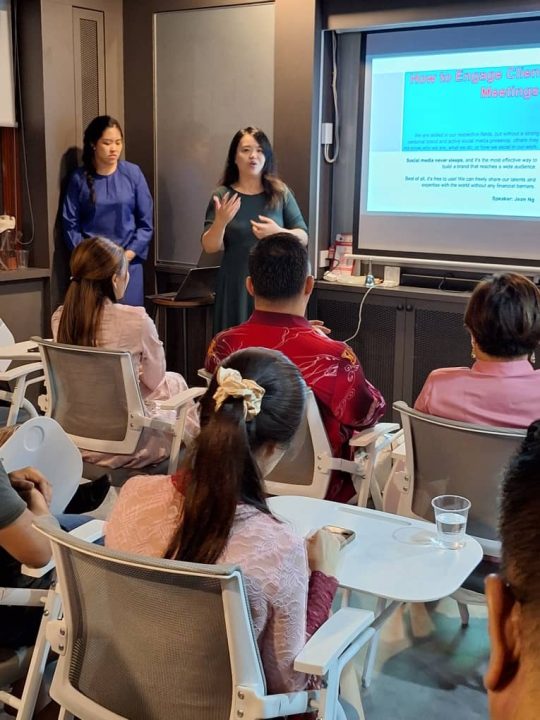
Tomorrow’s Best Leaders Won’t Be the Best Coders
Q: Looking ahead five years, which leadership skill will become significantly more valuable as AI scales, and which mindset risks becoming quietly obsolete?
A: The leadership quality that will matter most is a fluid, human-centred mindset grounded in strategic adaptability.
As AI becomes increasingly capable, leaders must move beyond static frameworks and combine emotional intelligence with strong technology governance.
The critical skill isn’t learning to code.
It’s learning how to lead people through technological change while ensuring ethics, trust, and business strategy evolve together.
The mindset becoming quietly obsolete is the belief that yesterday’s data can always solve tomorrow’s problems.
Executives who depend entirely on historical benchmarks and rigid efficiency metrics risk becoming strategically paralysed in a rapidly changing world.
Future leadership demands dynamic navigation, not rear-view mirror management.
The Biggest AI Risk Is the One You Can’t See
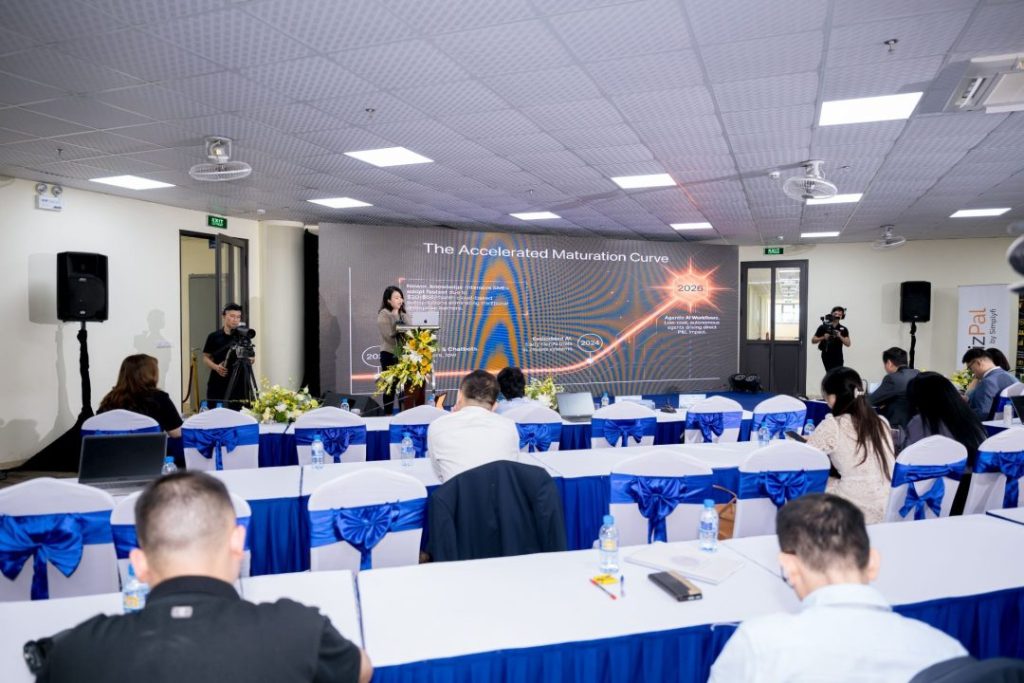
Q: If you could hand every founder in Southeast Asia one “quiet killer” to watch over the next 18 months, what would it be? And why does your background as a writer make you more likely to notice it than a technologist would?
A: The biggest quiet killer is Shadow AI.
Employees are already using unapproved AI tools to process company information, often without leadership knowing it. It hides in plain sight while creating significant security, compliance, and governance risks.
Technologists naturally focus on systems, infrastructure, and code.
As a writer, I pay attention to behaviour.
I notice how people justify shortcuts, how narratives spread across organisations, and how invisible habits become accepted long before leaders realise what’s happening.
That’s why simply identifying the risk isn’t enough.
We need to keep talking about Shadow AI through conversations, education, conferences, podcasts, and industry discussions before it becomes tomorrow’s crisis.
Invisible technology adoption is quickly becoming a boardroom issue.
The earlier leaders recognise it, the better prepared they’ll be to protect their organisations.
Final Thoughts: Leading AI Means Leading People
As artificial intelligence becomes embedded in everyday business, Jean Ng believes the organisations that succeed won’t necessarily be those with the most advanced technology. They’ll be the ones with leaders who can communicate change, build trust, and make responsible decisions long before AI reaches the boardroom.
Technology may continue to evolve at extraordinary speed, but leadership remains fundamentally human. The ability to explain complex ideas with clarity, navigate uncertainty with confidence, and keep ethics at the centre of innovation will continue to distinguish organisations that simply adopt AI from those that truly lead with it.
Highlights
Read the Chinese article here.
Related posts:
 AI Workforce Transformation in Asia: The Silent Revolution
 Before You Ask Where the AI ROI Is, Ask This: Who Actually Owns the Decision?
 He’s Led AI Transformations Across 10 Countries. His Award-Winning Projects Weren’t the Most Advanced.
 AI Let His Team Do With 2 Engineers What Once Needed 10. Building Wasn’t the Hard Part.

