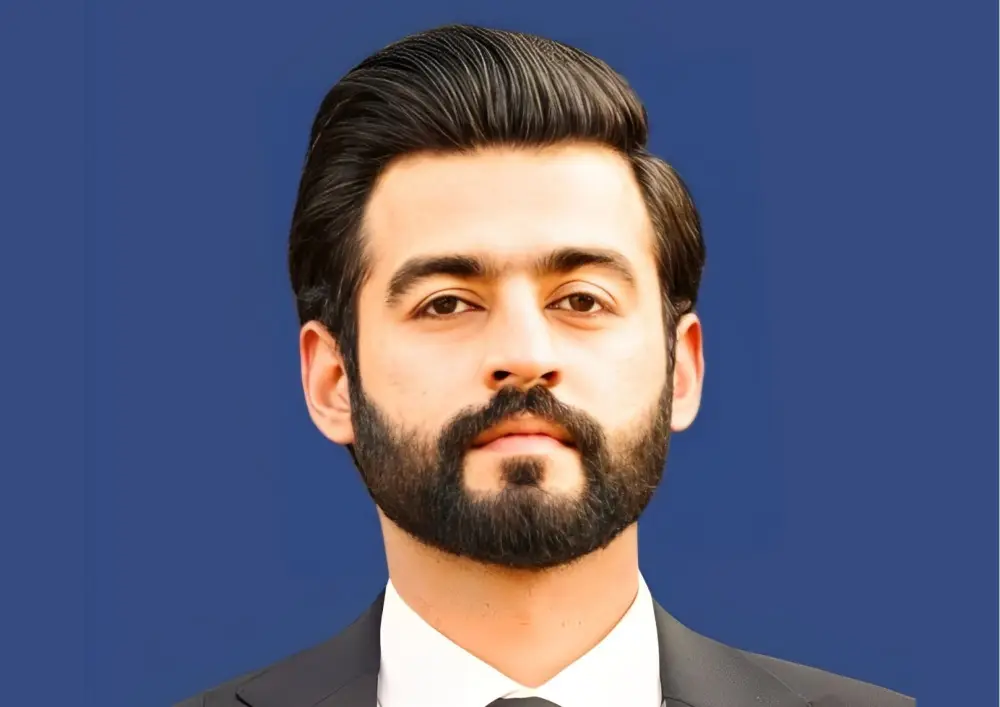
As AI moves deeper into healthcare, aviation, and climate infrastructure, the conversation is shifting from what systems can do to whether they can be trusted to operate at scale. Few technologists sit closer to that reality than Muhammad Aurangzaib, CTO and Founder of NMI Skyspace.
Having led and scaled AI products across some of the world’s most regulated and high-stakes environments, Aurangzaib focuses on a discipline many teams underestimate: designing trust directly into system architecture. From compliance-by-design to human-in-the-loop decision-making, his work reflects a belief that responsible AI is not a constraint on innovation, but the foundation that allows it to scale.
In this interview, Aurangzaib shares the product principles that remain consistent across industries, how his teams balance speed with regulation, and what CTOs must build today to lead in an AI-native, compliance-driven future.
Highlights
- Designing for Safety, Trust, and Systems — What Never Changes Across Industries
- Compliance-by-Design — Innovating Without Breaking Trust
- From “It Works” to “It Can Be Trusted” — The Hardest Scale Transition
- Building Velocity Without Chaos — Operating Globally with Clarity
- The Evolving CTO — Designing Trust, Not Just Technology
- Final Thoughts — Advancing Responsible AI at Scale
Designing for Safety, Trust, and Systems — What Never Changes Across Industries
Q: You’ve led AI product development across healthcare, aviation, and climate-tech. What core product principles remain consistent across such regulated and high-stakes industries — and what must change?
A: Across healthcare, aviation, and climate-tech, the underlying product principles are surprisingly consistent.
The first is safety and trust by design. In high-stakes environments, AI systems must be explainable, observable, and designed to fail safely. Accuracy alone is not enough — users need to understand why a system is making a recommendation and when it should not be trusted.
The second principle is human-in-the-loop decision-making. In every regulated domain I’ve worked in, AI performs best when it augments experts rather than replaces them. Accountability must always remain with humans, especially where outcomes impact lives or critical infrastructure.
The third is systems-level thinking. These products operate within complex ecosystems of regulations, workflows, legacy systems, and human behavior. Focusing only on features leads to failure. Designing for the entire system enables adoption.
What changes is how validation and risk management are handled. Aviation relies heavily on simulation and safety margins. Healthcare demands clinical evidence and ethical oversight. Climate-tech often deals with uncertainty and long feedback cycles. The principles remain the same, but the proof required to earn trust is different in each industry.
Compliance-by-Design — Innovating Without Breaking Trust
Q: At NMI Skyspace, you’re building both aviation-grade and surgical AI systems. How do you balance rapid innovation with regulatory requirements like HIPAA, FDA, and ISO standards in parallel?
A: We don’t treat regulation as a final hurdle. We treat it as an architectural requirement from day one.
At NMI Skyspace, we follow a compliance-by-design approach. Data privacy, audit logging, access control, model versioning, and traceability are embedded into the core platform instead of being layered on later.
To move fast without risking compliance, we separate experimentation from regulated production systems. Innovation happens in controlled environments where models can be tested and refined freely. Only validated components are promoted into regulated workflows.
This parallel-track approach allows us to innovate quickly while remaining aligned with standards such as HIPAA, FDA pathways, and ISO frameworks. In my experience, speed without trust does not scale. Trust built into architecture does.
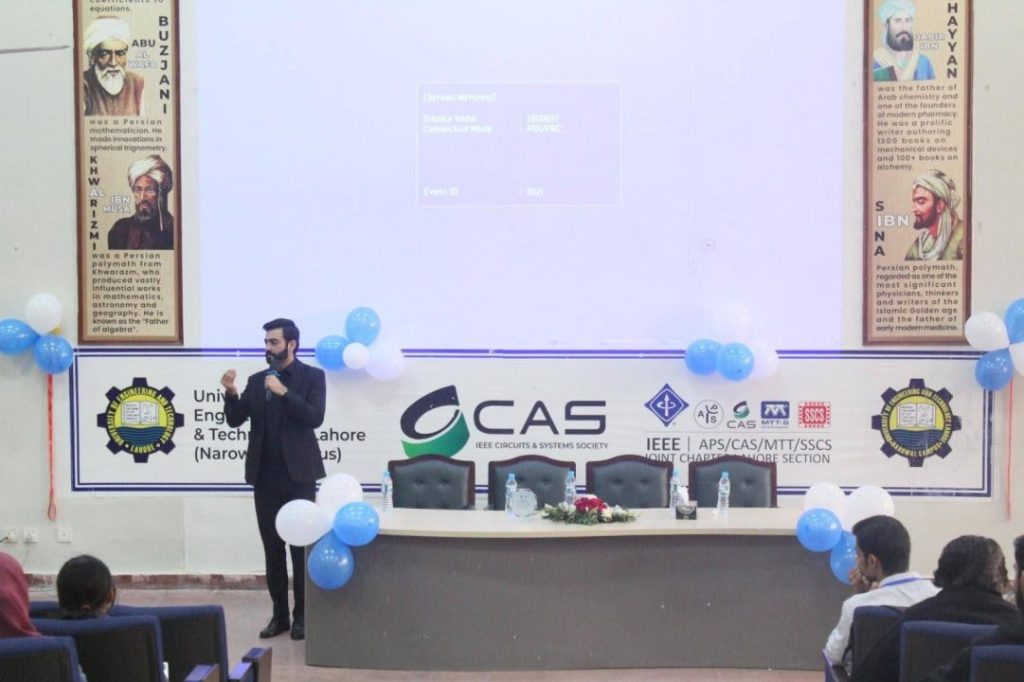
From “It Works” to “It Can Be Trusted” — The Hardest Scale Transition
Q: You’ve scaled 100+ products globally. From your perspective, what’s the most overlooked stage in the 0→1→100 product journey — especially when AI is involved?
A: The most overlooked stage is the transition from “it works” to “it can be trusted at scale.”
Many AI products succeed at 0→1 by demonstrating impressive accuracy or novelty. Far fewer survive the journey to 100 because teams underestimate real-world challenges — model drift, rising inference costs, inconsistent edge-case behavior, and erosion of user trust.
AI products are not static. They evolve continuously. Teams that succeed invest early in observability, governance, and feedback loops. Scaling AI is less about improving the model and more about operating it responsibly in the real world.
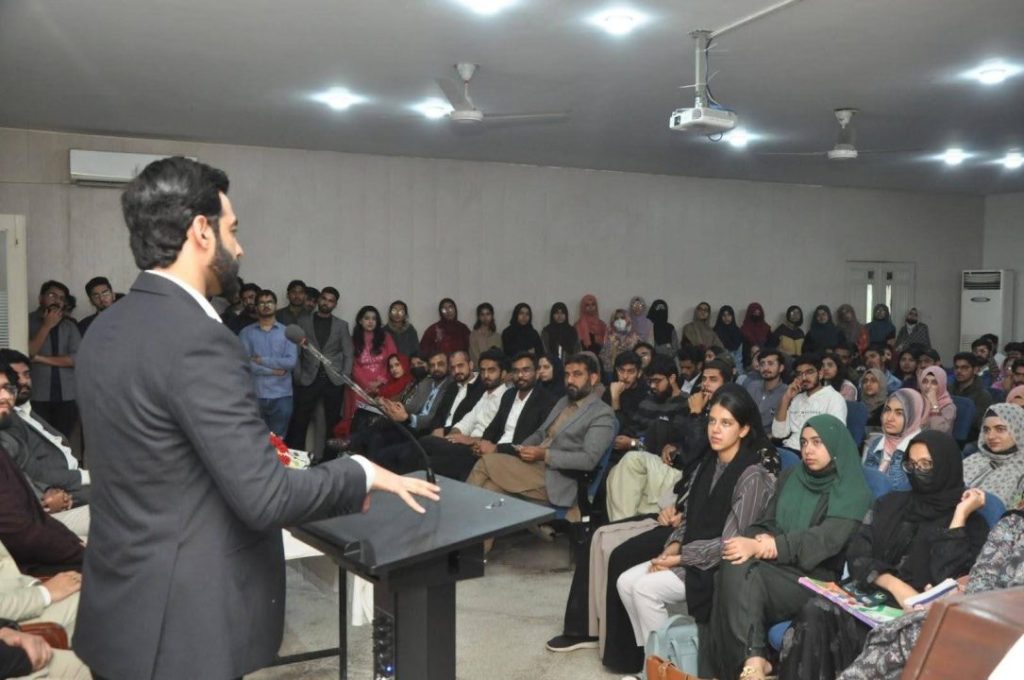
Building Velocity Without Chaos — Operating Globally with Clarity
Q: You operate with distributed teams across regions and time zones. What systems or practices have helped you maintain clarity, velocity, and cohesion in a global innovation environment?
A: Three practices have consistently worked for me.
First, we focus on documenting why decisions are made, not just what was decided. Context travels better than instructions, especially in asynchronous environments.
Second, we operate with an asynchronous-first mindset. Written design documents, recorded demos, and clear ownership reduce dependency on meetings and allow teams to move independently.
Third, we maintain a shared product language across regions. Metrics, quality standards, and risk definitions remain consistent regardless of geography. When people understand the mission and constraints, physical distance stops being a limitation.
The Evolving CTO — Designing Trust, Not Just Technology
Q: Looking ahead, what capabilities do you believe CTOs and product leaders must develop now to stay ahead in an era of AI-native product architecture and compliance-by-design?
A: The role of the CTO is evolving rapidly. Beyond technical expertise, five capabilities are becoming essential.
- A deep understanding of AI architecture and trade-offs.
- Regulatory fluency and the ability to translate law into system design.
- Ethical engineering judgment.
- Cost-aware AI design, especially around inference and scale.
- Systems leadership that aligns product, legal, security, and operations.
The future CTO is not just a builder of technology. They are a designer of trust.
Final Thoughts — Advancing Responsible AI at Scale

Across healthcare, aviation, and climate-tech, Aurangzaib’s work points to a clear conclusion: AI’s future will be defined less by raw capability and more by how responsibly those capabilities are deployed.
By embedding safety, compliance, and human accountability directly into system architecture, he challenges the assumption that regulation slows innovation. Instead, his approach shows that trust is what allows innovation to scale — across borders, industries, and critical infrastructure.
As AI-native products become the norm and compliance-by-design becomes unavoidable, leaders who can align technical excellence with ethical judgment and operational discipline will shape the next era of impact. Aurangzaib’s focus remains firmly on that intersection — ensuring AI doesn’t just advance technologically, but advances responsibly.
Highlights
- Designing for Safety, Trust, and Systems — What Never Changes Across Industries
- Compliance-by-Design — Innovating Without Breaking Trust
- From “It Works” to “It Can Be Trusted” — The Hardest Scale Transition
- Building Velocity Without Chaos — Operating Globally with Clarity
- The Evolving CTO — Designing Trust, Not Just Technology
- Final Thoughts — Advancing Responsible AI at Scale
Read the Chinese article here.