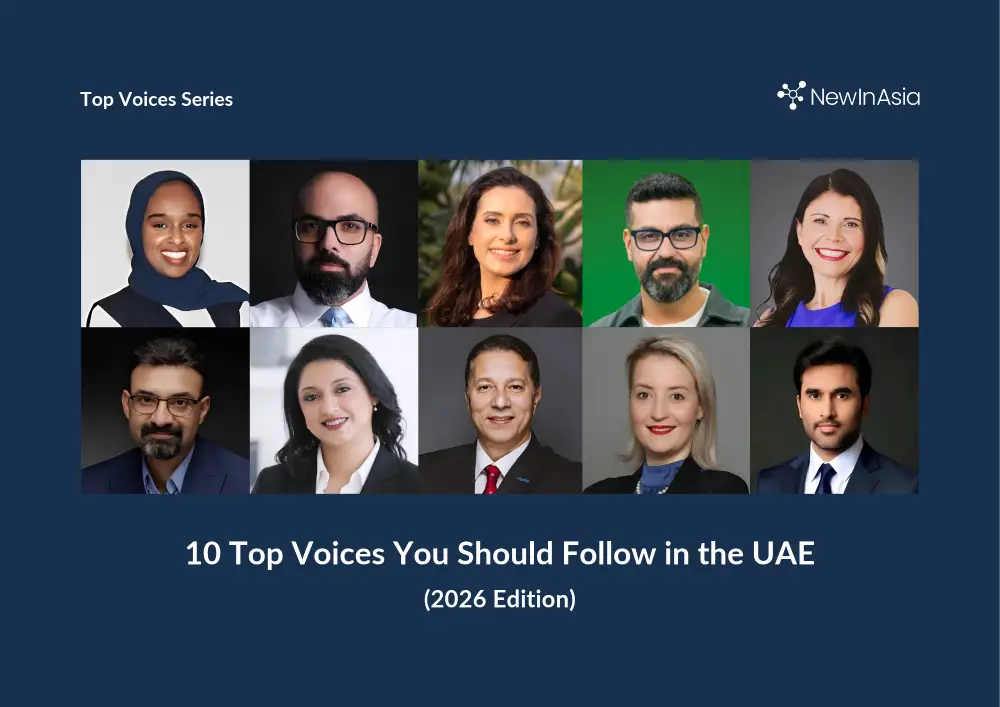
The UAE has established itself as a centre for international business, investment, and technological innovation. Yet building a competitive economy involves more than attracting new technologies and ambitious companies. It also requires organisations to strengthen their capabilities, manage risks, develop talent, and translate strategic ambitions into practical results.
The 10 Top Voices You Should Follow in the UAE (2026) bring different perspectives to these challenges. Their contributions span artificial intelligence, financial services, supply chains, sustainability, food and beverage innovation, healthcare, workforce development, and organisational leadership.
Together, they offer insights into how the UAE’s business ecosystem is navigating change, from adopting emerging technologies to improving the systems, decisions, and professional practices that support long-term growth.
Highlights
Editorial Note:
The NewInAsia editorial team independently curates this feature, which is not a paid or sponsored listing. It highlights professionals with meaningful connections to the UAE’s business and innovation ecosystem through their work, expertise, or sustained professional contributions, regardless of nationality or residence.
Selections are based on publicly available information, primarily from LinkedIn, and consider expertise, the quality and consistency of public contributions, professional credibility, and relevance to the featured market. This is an editorial selection, not a definitive ranking.
Amina Yonis, PhD
Founder & CEO, The Page Doctor | Lecturer in Applied AI, University of Europe for Applied Sciences
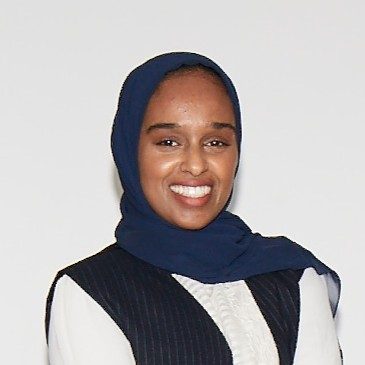
Amina Yonis examines how artificial intelligence is changing education, academic research, and the way people access and evaluate information.
As Founder and CEO of The Page Doctor, she has developed educational resources and academic support services for students and researchers. Her professional profile reports that the platform has supported more than 900,000 students worldwide. She also teaches applied AI at the University of Europe for Applied Sciences in Dubai, connecting emerging technologies with business education.
Her contributions address practical challenges associated with AI-assisted learning, including fabricated academic references, unreliable AI detection tools, and privacy risks. Rather than treating AI-generated outputs as inherently trustworthy, she encourages students and educators to examine how these systems work and where human judgement remains necessary.
For educators, students, and business professionals, Yonis offers an accessible perspective on AI literacy. Her work highlights why responsible technology adoption depends on critical thinking, reliable information, and the ability to recognise the limitations of increasingly capable tools.
Amir Tabch
Chief Executive Officer, OFZA
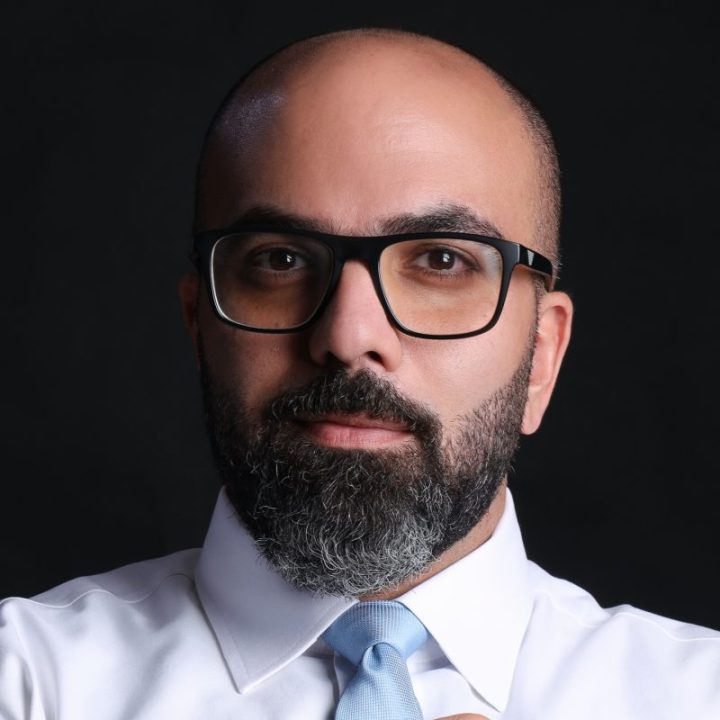
Amir Tabch examines executive leadership through the organisational decisions that determine whether businesses can turn investment and strategic ambition into commercial performance.
As CEO of OFZA, he leads the development of a regulated virtual asset business in the UAE. His career spans more than two decades across banking, capital markets, payments, and digital assets, including leadership roles in regulated financial institutions. According to his professional profile, he has experience raising over US$85 million in institutional funding.
Tabch’s commentary challenges conventional management practices, particularly unnecessary hierarchy, unclear priorities, and the assumption that larger teams automatically produce better results. He emphasises executive accountability, disciplined capital allocation, and the importance of connecting regulatory requirements with commercial execution.
For executives and founders, Tabch offers a perspective on building organisations that can make decisions effectively and operate within complex regulatory environments. His contributions encourage leaders to examine whether their structures, resources, and management practices support meaningful business outcomes.
Samar Alshorafa
Founding CEO, She is Arab | Adjunct Faculty Instructor, Zayed University
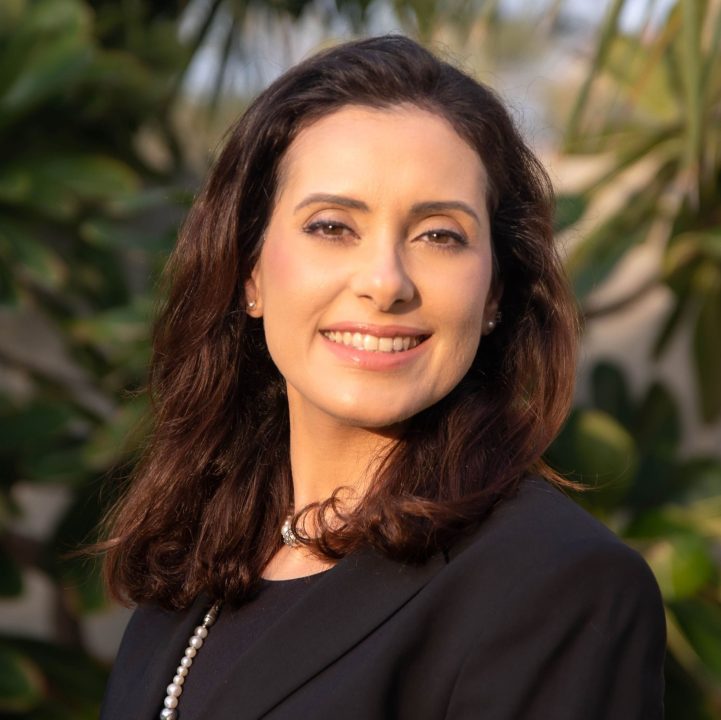
Samar Alshorafa examines women’s economic inclusion through the opportunities, institutional barriers, and leadership structures that shape women’s participation in business and society.
As Founding CEO of She is Arab, a Dubai-based social business established in 2019, she works to advance Arab women’s economic participation through research, professional development, community building, and partnerships. Her background spans international development, public policy, and social entrepreneurship, including work with organisations such as the International Finance Corporation (IFC) and Education for Employment. She also serves as an adjunct faculty instructor at Zayed University.
Her contributions focus on expanding women’s access to economic opportunities and leadership positions. Recognised as a LinkedIn Top Voice in the MENA region since 2022, she has also participated in the Vital Voices GROW Fellowship and the Atlantic Council’s Women Innovators Fellowship. Her work connects advocacy with the practical challenges of developing inclusive professional networks and creating opportunities for women to advance.
For business leaders, entrepreneurs, philanthropists, and professionals working in social impact, Alshorafa offers a perspective on how economic inclusion can be supported through institutional collaboration, education, and professional development. Her work highlights why expanding women’s participation requires more than representation; it also depends on building the networks and opportunities that enable meaningful advancement.
Majd Fayyad
Founder, MajdTalks | DSM Strategy & Policy Lead, Dubai Supreme Council of Energy
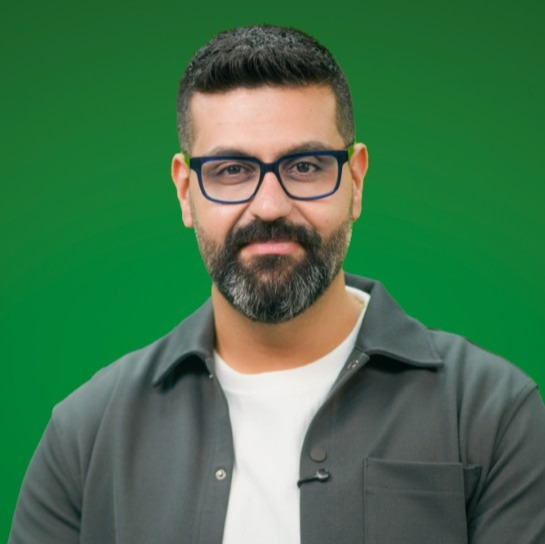
Majd Fayyad is a sustainability leader, decarbonisation strategist and engineer working at the intersection of policy, technical expertise and public engagement. At the Dubai Supreme Council of Energy, he leads strategy and policy development across demand-side energy management, integrated water management, green mobility and the circular economy. His work helps turn long-term climate ambition into practical programmes with measurable impact across the region.
He is also the founder of MajdTalks, a free educational platform that makes sustainability and decarbonisation more accessible through short videos, expert conversations, site visits and thought leadership. MajdTalks connects policy, innovation and real-world stories, helping decision-makers, businesses, students and the wider public understand both what is working and what still needs to change.
Majd has spoken at more than 100 sustainability events across the UAE and wider region, authored 10 technical energy publications, and built a community of more than 90 K followers across social media platforms. Known for making complex topics clear, relevant and actionable, he brings a rare combination of engineering credibility, strategic perspective and an authentic public voice.
Seda Solmaz
Founder & CEO, Idea Atelier
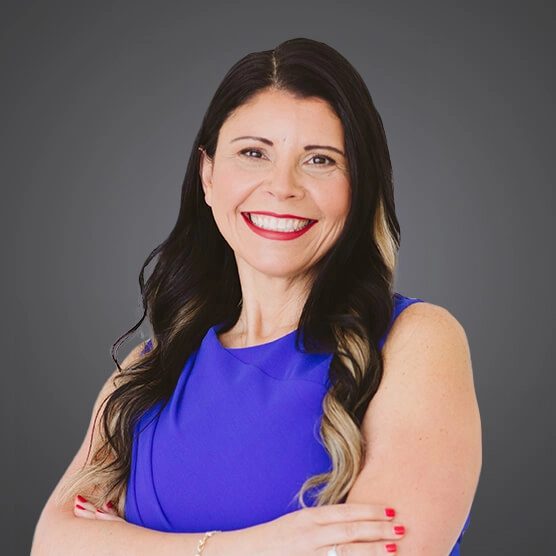
Seda Solmaz examines how food and beverage businesses can turn changing consumer expectations into products, brands, and commercially viable opportunities.
As Founder and CEO of Dubai-based Idea Atelier, she advises companies on innovation strategy, product development, and market positioning. Her professional profile reports experience conducting more than 200 workshops for over 75 clients across 22 markets, with involvement in developing thousands of product concepts.
Her contributions explore why innovation initiatives sometimes produce incremental ideas without addressing meaningful consumer needs. She discusses how companies can identify overlooked opportunities, improve collaboration between teams, and make more informed decisions before launching new products.
Drawing on earlier regional innovation leadership at Firmenich, Solmaz connects consumer insights with the commercial realities of bringing products to market. For founders, brand managers, and F&B executives, her perspective highlights why successful innovation requires both creative thinking and disciplined execution.
Rizwan Tufail
Group Chief Data and Analytics Officer, PureHealth
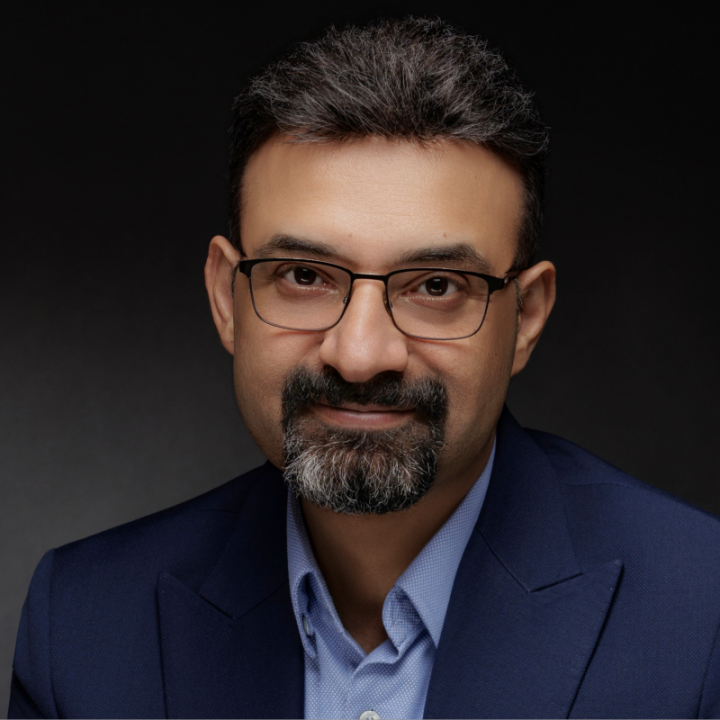
Rizwan Tufail examines how organisations can move artificial intelligence beyond isolated experiments and integrate it into the systems that support business performance.
As Group Chief Data and Analytics Officer at PureHealth, he leads data and AI transformation across a large healthcare organisation. His professional profile describes building an 80-person data and AI capability and developing an enterprise strategy with a five-year target of AED 2 billion in business impact. Earlier in his career, he held leadership roles at Microsoft and Mozilla.
Tufail’s contributions focus on the organisational requirements of enterprise AI, including evaluation, monitoring, governance, and evidence of measurable value. He encourages leaders to critically examine whether technology initiatives are delivering genuine improvements or simply demonstrating new capabilities. He also advocates rethinking technology as an enabler of new business models and organisational capabilities, expanding the strategic choices available to organisations.
For executives responsible for digital transformation, Tufail offers a perspective shaped by implementation at scale. His work highlights why successful AI adoption depends on organisational readiness, accountable leadership, and the ability to connect technical capabilities with clearly defined business outcomes.
Asma Jan Muhammad
Regional Finance Head, Control Risks | Fractional CFO, The CFO Centre UAE
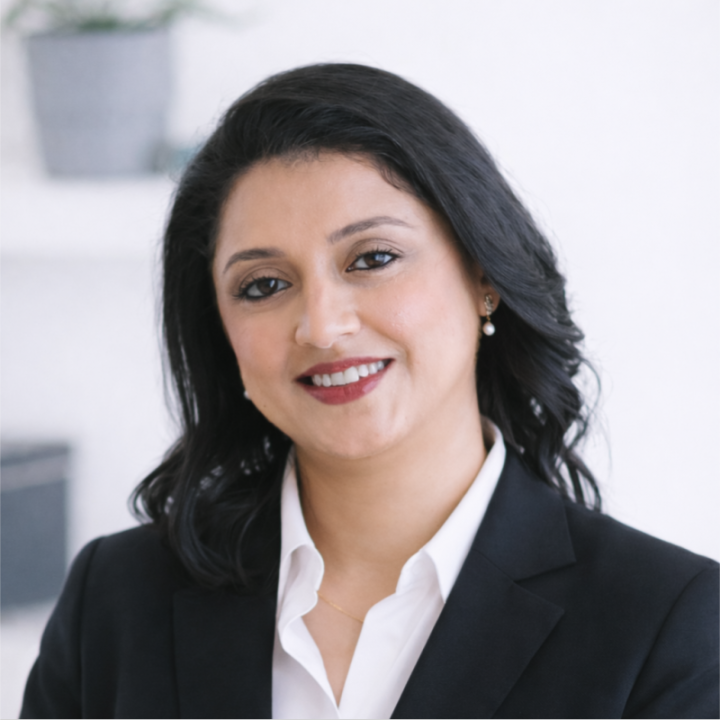
Asma Jan Muhammad examines financial leadership through the decisions that determine whether businesses can protect cash flow, manage risk, and pursue sustainable growth.
With more than 20 years of experience in corporate finance and transformation, she has worked across multinational organisations, holding companies, and businesses in the UAE and wider GCC. Her professional background includes managing treasury operations, supporting acquisitions, and leading finance transformation initiatives across multiple subsidiaries.
Her commentary translates complex financial issues into practical business lessons. She explains how delayed customer payments create financing costs that may be overlooked, why due diligence must verify underlying assets, and how financial controls influence the quality of management decisions.
For founders, finance professionals, and executives, Muhammad offers a perspective that connects financial governance with everyday business performance. Her contributions highlight why effective finance leadership involves more than reporting results; it requires anticipating risks and strengthening the decisions that shape them.
Mohaymen Abdelghany
Group CEO & Executive Board Member, Fakeeh Health UAE
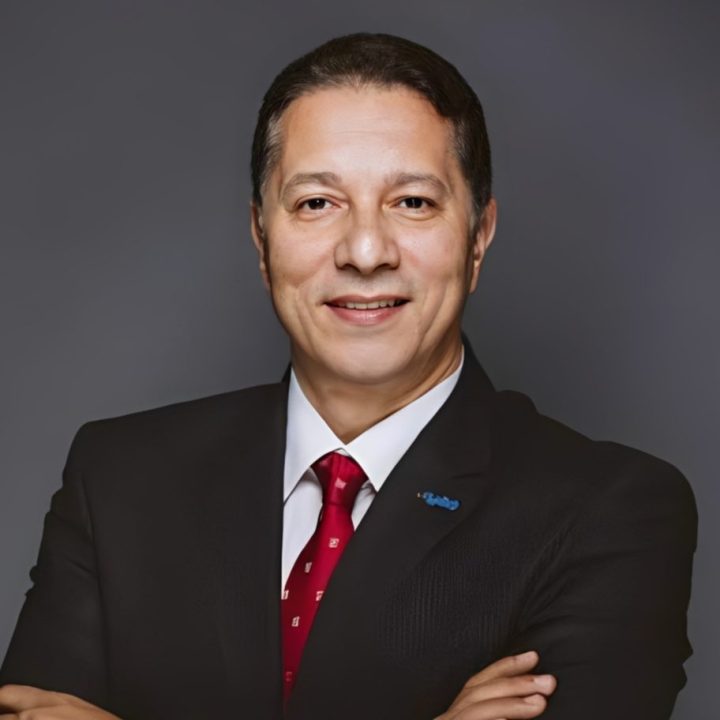
Mohaymen Abdelghany examines healthcare leadership through the relationship between organisational decisions, frontline working conditions, and patient safety.
As Group CEO of Fakeeh Health UAE, he oversees the development of an integrated healthcare network that includes Fakeeh University Hospital in Dubai. His career spans more than 25 years in clinical practice and healthcare management, beginning as an anaesthetist and intensivist before moving into hospital leadership. He has also served as a physician consultant with Joint Commission International since 2017.
His contributions question whether formal policies and management systems consistently reflect the realities of patient care. He explores how communication, organisational culture, and staff feedback influence clinical performance, particularly when healthcare leaders must balance operational efficiency with patient needs.
For healthcare executives and clinical leaders, Abdelghany connects boardroom decisions with frontline experience. His perspective highlights why lasting improvements in healthcare depend on listening to practitioners, strengthening accountability, and designing systems that support safer care.
Naima Al Falasi
Senior Vice President, Operational Excellence, Mubadala
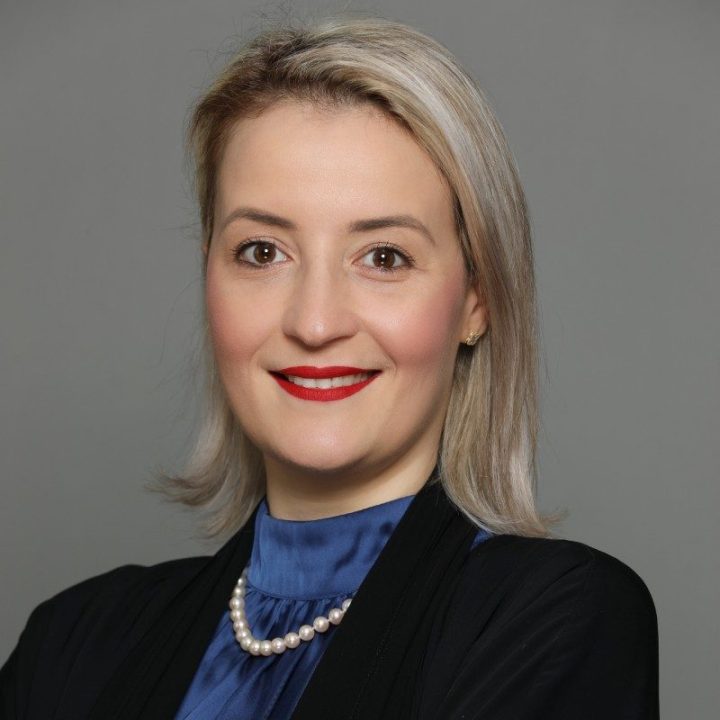
Naima Al Falasi is an AI strategy expert and doctoral researcher studying AI and decision-making. Her research and professional practice focus on how artificial intelligence is reshaping decision-making, organisational design, and strategy at the institutional level.
With more than two decades of experience at the intersection of AI, technology, and business strategy, she has advised senior leadership on AI strategy, transformation, and governance across sectors. She is a former member of the World Economic Forum’s AI Governance Alliance and serves on several non-profit boards focused on responsible AI and women’s empowerment.
Her contributions explore the strategic implications of AI for institutions, sovereign actors, and decision-makers. She also speaks regularly at international forums, sharing perspectives on how emerging technologies are influencing institutional strategy, organisational structures, and decision-making.
For executives, risk professionals, and technology leaders, Al Falasi offers a perspective on the relationship between AI adoption and institutional transformation. Her work highlights the importance of understanding how technological advancements influence strategic decisions, organisational capabilities, and governance.
Shyo Koshy
Executive Director, Workforce Solutions | Member, Dubai Staffing Business Group
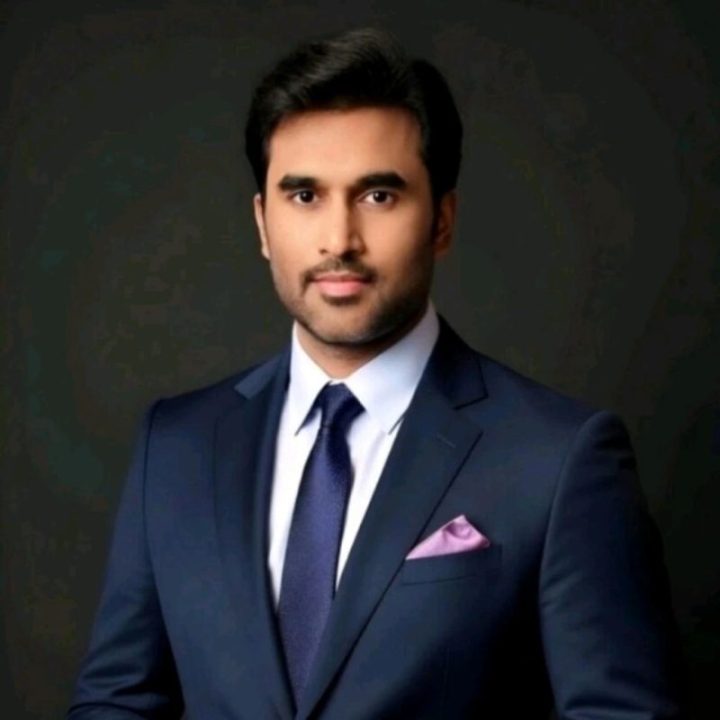
Shyo Koshy examines workforce management as a strategic business capability that should be planned alongside finance, operations, and organisational growth. With more than two decades of experience across the UAE and GCC, he has worked in large-scale staffing, business development, and workforce solutions.
He and his team have placed more than 10,000 professionals across the region. They also received recognition from a key client for staffing performance on approximately five occasions between 2016 and 2025. His contributions to the workforce solutions industry were further recognised at the Mastermind Awards in 2024 and the MENA HR Leaders Awards in 2025.
According to Favikon’s rankings, Koshy also appeared frequently among the top three LinkedIn voices in the UAE’s HR and People Leaders category during 2025 and 2026.
His contributions focus on workforce readiness, talent development, and the operational challenges of staffing major projects. He argues that organisations should consider workforce requirements early rather than treating recruitment as a response to decisions already made elsewhere in the business.
For business leaders, project managers, and human resources professionals, Koshy offers a perspective on the relationship between people and execution. His work highlights how workforce planning, organisational adaptability, and effective staffing strategies influence the ability to deliver complex projects.
Final Thoughts: Connecting Expertise Across the UAE’s Industries
Across artificial intelligence, financial services, energy, sustainability, healthcare, workforce development, and consumer innovation, these ten voices offer different perspectives on how the UAE’s business ecosystem is navigating change.
Their contributions highlight a shared challenge: translating expertise into decisions and practices that deliver meaningful results. Whether strengthening financial governance, improving patient care, developing responsible AI systems, or building more resilient supply chains, progress depends on connecting innovation with the realities of organisational execution.
Following these voices offers readers a broader understanding of the opportunities and challenges shaping the UAE’s industries. Together, their perspectives show how leadership, technical knowledge, and collaboration can help organisations build stronger capabilities and create lasting value.
Highlights
Read the Chinese article here.